
 E-Paper



Photos: Harare bustles as people cope with challenges
As controversy swirled around the mourning period and burial for former Zimbabwean President Robert Mugabe, most people in the capital Harare were busy coping with the challenges of daily life, amid shortages of electricity, water, fuel and cash. The chaotic, often violent confiscations triggered a collapse of the once productive agricultural sector and began a downward economic spiral. Further mismanagement brought about hyperinflation reaching more than 1 billion percent in 2009, which was only halted when the country abandoned its currency for the U.S. dollar.
Updated on: Sep 15, 2019 12:04 PM IST

Share via


Copy link

1/7
 View Photos in a new improved layout
Updated on Sep 15, 2019 12:04 PM
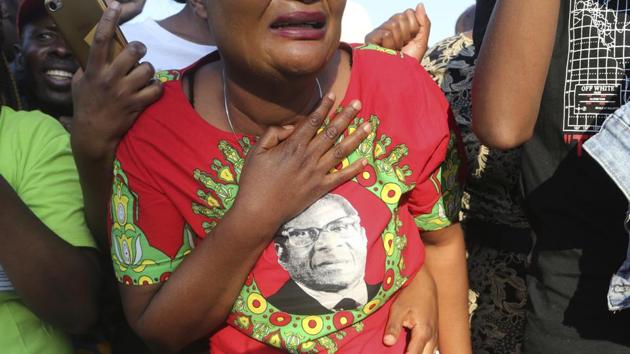
Supporters of Zimbabwe’s former president Robert Mugabe react upon the arrival of his mortal remains at RG Mugabe airport in Harare. As controversy continues around the burial of Mugabe, the capital, Harare, bustles with people coping with the challenges of daily life amid widespread shortages. (Tsvangirayi Mukwazhi / AP)
2/7
 View Photos in a new improved layout
Updated on Sep 15, 2019 12:04 PM
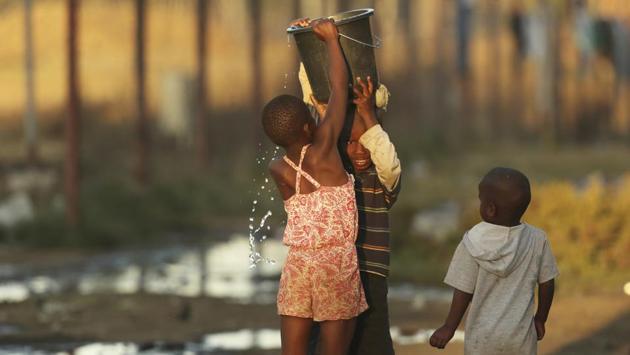
Girls carrying buckets of water on their heads, people praying at sunset, children in uniforms going to their first day of the new school term. Shortages of electricity, water, fuel and cash are the latest symptoms of Zimbabwe's economic decline that began in 2000 when Mugabe launched the seizures of farms owned by whites. (Tsvangirayi Mukwazhi / AP)
3/7
 View Photos in a new improved layout
Updated on Sep 15, 2019 12:04 PM
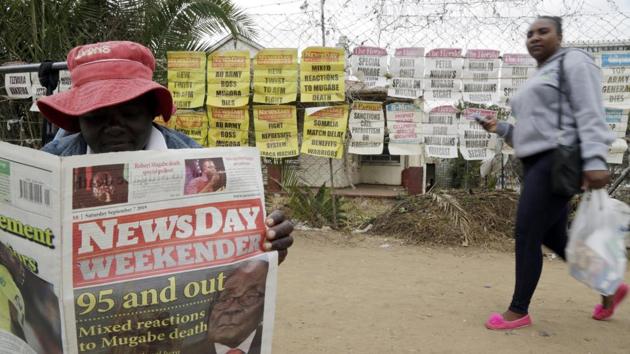
An ice cream vendor reads a newspaper on a street in Harare. The chaotic, often violent confiscations triggered a collapse of the once productive agricultural sector and began a downward economic spiral. Further mismanagement brought about hyperinflation reaching more than 1 billion percent in 2009, which was only halted when the country abandoned its currency for the U.S. dollar. (Themba Hadebe / AP)
4/7
 View Photos in a new improved layout
Updated on Sep 15, 2019 12:04 PM
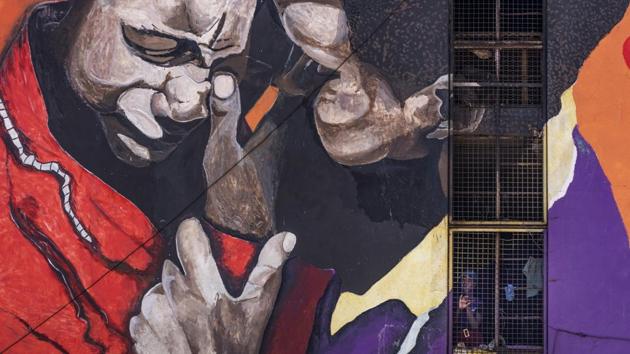
A resident looks out from the stairwell of her housing block, on which is painted an informational mural against sexual abuse, in the low income neighborhood of Mbare, known to have many supporters of former president Robert Mugabe’s ZANU-PF party. (Ben Curtis / AP)
5/7
 View Photos in a new improved layout
Updated on Sep 15, 2019 12:04 PM
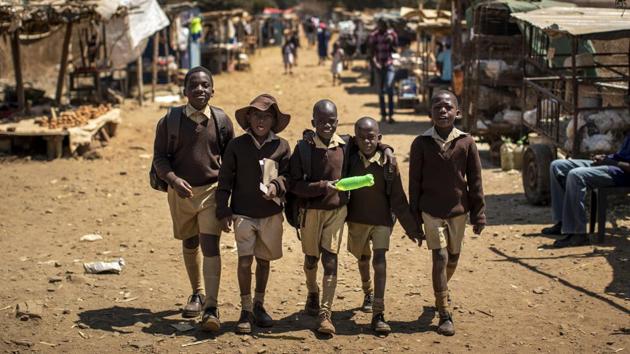
Schoolboys walk back home on the first day of the school term, in Kuwadzana, on the outskirts of the capital Harare. A city of 1.5 million, bustles with activities of people scraping by, including street traders selling second-hand clothes, people striding to work past faded murals of Mugabe and women carrying baskets of laundry they had just washed in a muddy creek. (Ben Curtis / AP)
6/7
 View Photos in a new improved layout
Updated on Sep 15, 2019 12:04 PM
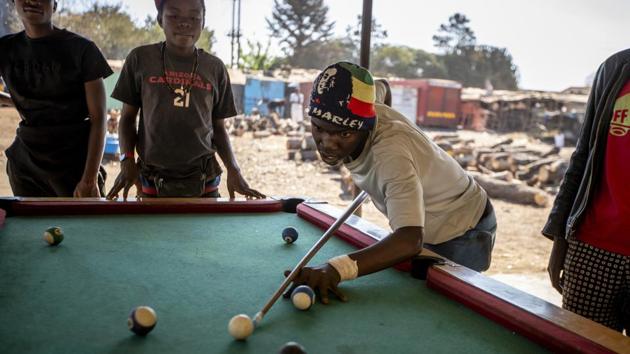
Young men play a game of pool in the open air in Norton, west of the Harare. But life in the capital is not all work. Children play on swings and unemployed young men wile away their time playing pool and drinking potent, and illegal, home brew. (Ben Curtis / AP)
7/7
 View Photos in a new improved layout
Updated on Sep 15, 2019 12:04 PM


