
 E-Paper



Photos: In Alsace village, refugees are part of the fabric
Although the flows have dropped sharply since 2015 when more than a million newcomers arrived, triggering Europe's worst migration crisis since World War II, thousands more come every week, with nearly 19,000 arrivals since the start of the year. With Europe's governments paralysed over what to do and tensions rising on the ground, there has been a surge in support for populist and far-right parties, who have used the opportunity to further anti-immigrant agendas. But this tiny town in eastern France has opened its doors to asylum seekers who now represent some 10% of the population.
Updated on: Apr 29, 2019 10:05 AM IST

Share via


Copy link

1/11
 View Photos in a new improved layout
Updated on Apr 29, 2019 10:05 AM
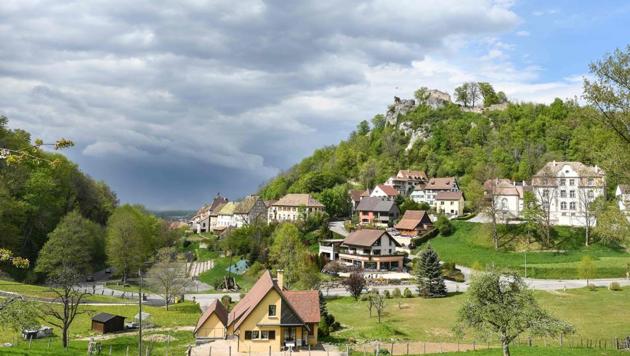
In the hilltop town of Ferrette near the border with Switzerland, few would expect to encounter Eritreans exploring the ruins of its medieval chateau or Chechens walking its steep narrow streets. But this tiny town in eastern France has opened its doors to asylum seekers who now represent some 10% of the population. (Sebastien Bozon / AFP)
2/11
 View Photos in a new improved layout
Updated on Apr 29, 2019 10:05 AM
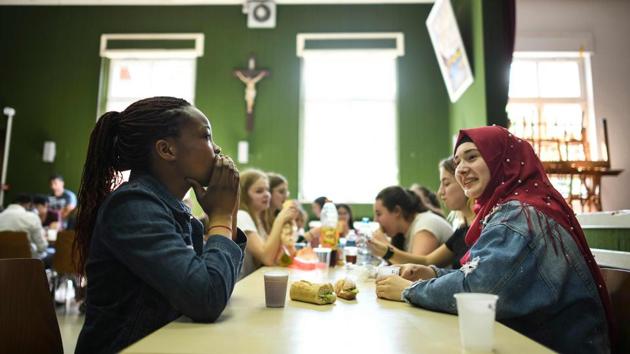
Young people attend a meeting between refugees and French children at a temporary accommodation for asylum seekers. As campaigning enters the final month before May’s European elections, the migrant question has been a central issue across a continent sharply divided over how to handle the influx of people seeking safety in Europe. (Sebastien Bozon / AFP)
3/11
 View Photos in a new improved layout
Updated on Apr 29, 2019 10:05 AM
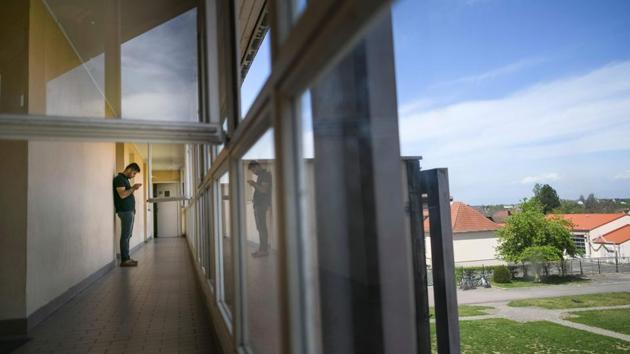
A refugee checks his mobile phone at a temporary accommodation for asylum seekers. Although the flows have dropped sharply since 2015 when more than a million newcomers arrived, triggering Europe’s worst migration crisis since World War II, thousands more come every week, with nearly 19,000 arrivals since the start of the year. (Sebastien Bozon / AFP)
4/11
 View Photos in a new improved layout
Updated on Apr 29, 2019 10:05 AM
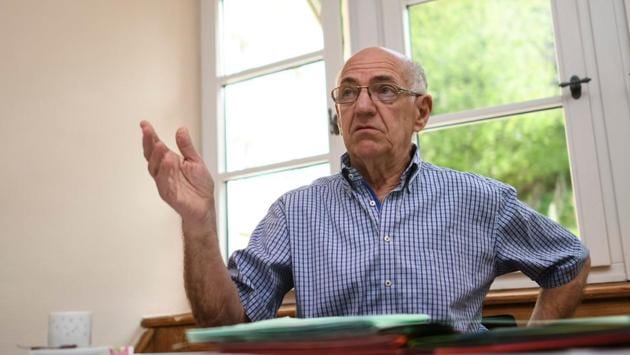
With Europe’s governments paralysed over what to do, there has been a surge in support for populist and far-right parties, who have used the opportunity to further anti-immigrant agendas. But not everywhere, and certainly not in Ferrette where Mayor Francois Cohendet has overseen a successful integration and says the migrants’ presence there is just a part of the community’s normal life. (Sebastien Bozon / AFP)
5/11
 View Photos in a new improved layout
Updated on Apr 29, 2019 10:05 AM
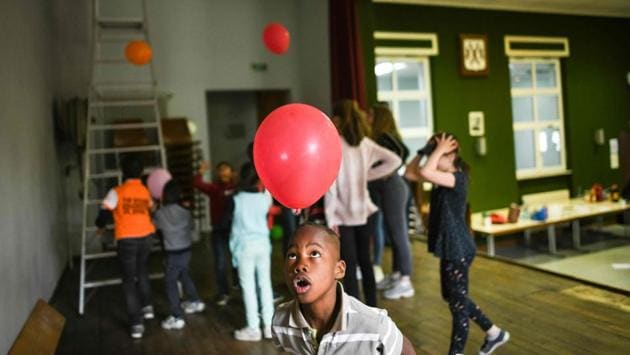
A young refugee plays with a balloon. Since 2016, Ferrette has permanently taken in about 80 asylum seekers -- half of them children -- from places as far-flung as Afghanistan, Sudan and Armenia. All of them are hoping to be recognised as refugees -- or at the very least, that France will grant them “subsidiary protection”, the status granted to asylum seekers who do not qualify as refugees. (Sebastien Bozon / AFP)
6/11
 View Photos in a new improved layout
Updated on Apr 29, 2019 10:05 AM
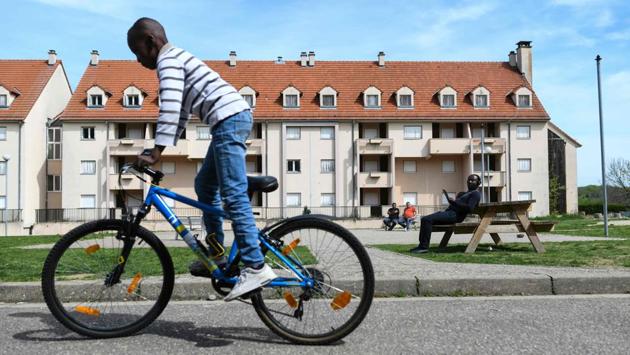
A boy rides a bike as refugees wait in front of a temporary accommodation for asylum seekers. The only thing about Ferrette, Djoe Kabuka, a Congolese national says, is the lack of public transport and the need to travel to Mulhouse, a town 30 kilometres away, to find the sort of foods the refugees are used to. The other thing is the weather. “It gets very cold and very hot here,” smiled Abundance, a teenager from Nigeria. (Sebastien Bozon / AFP)
7/11
 View Photos in a new improved layout
Updated on Apr 29, 2019 10:05 AM
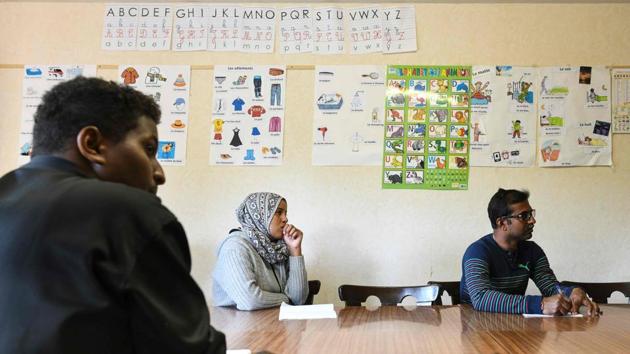
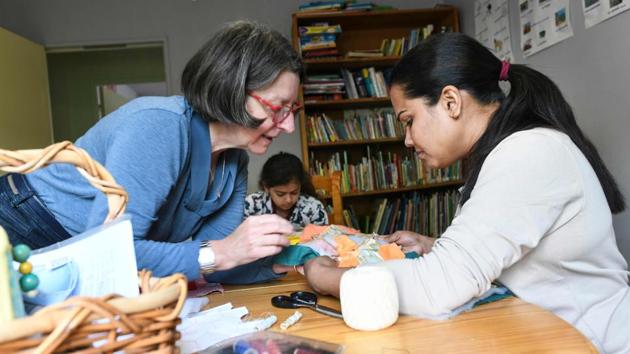
Refugees listen during a French lesson at a temporary accommodation for asylum seekers. While some protested, other residents came together to help, with the emergence of a group called “Neighbours Around the World” that offered them French lessons, access to a games library, cooking classes and even lifts to the hospital. (Sebastien Bozon / AFP)
8/11
 View Photos in a new improved layout
Updated on Apr 29, 2019 10:05 AM
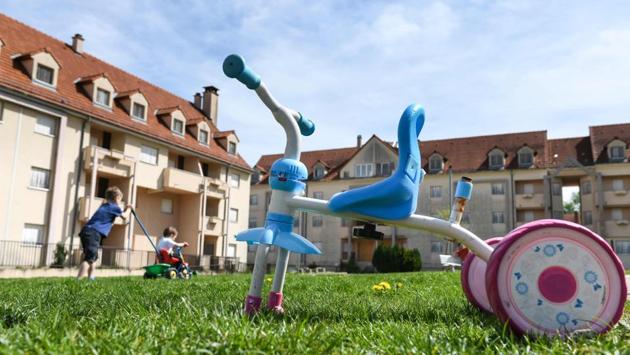
A tricycle is seen as children play. It was only after a squadron of gendarmes was relocated in 2015, leaving their former barracks empty, that regional officials approached the mayor with a request to use the premises as temporary accommodation for asylum seekers. And when Cohendet accepted, he found himself on the receiving end of some stiff opposition, even from members of his staff. (Sebastien Bozon / AFP)
9/11
 View Photos in a new improved layout
Updated on Apr 29, 2019 10:05 AM
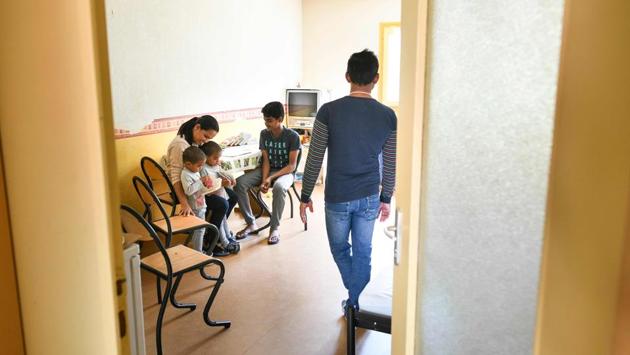
The huge apartments once occupied by gendarmes host large families. The children are taught in a specially-created class at the school in Ferrette which they walk to every day, bringing youthful voices to the village streets. Inside a split-level apartment with faded yellow walls, a newly arrived Sri Lankan family with a 14-year-old boy and three-year-old twins shares the kitchen with an Armenian woman and her 17-year-old son. (Sebastien Bozon / AFP)
10/11
 View Photos in a new improved layout
Updated on Apr 29, 2019 10:05 AM
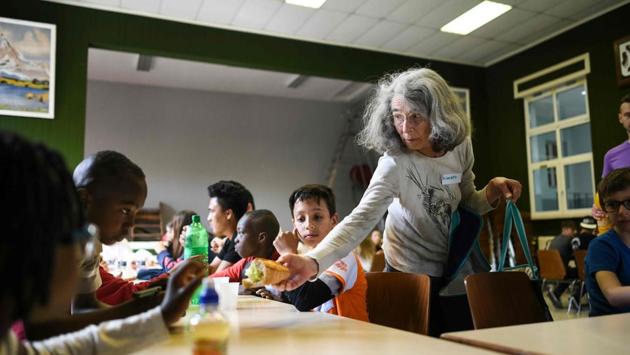
A volunteer (R) distributes sandwiches to refugee children at the temporary accommodation. Elisabeth Schulthess, head of Neighbours Around the World said that they try to involve the migrants into the local life of the town. But Schulthess complains there is very little in the way of social support. In 2018, 54 % of the 141 people who came won the status of refugee or subsidiary protection in France. (Sebastien Bozon / AFP)
11/11
 View Photos in a new improved layout
Updated on Apr 29, 2019 10:05 AM


