
 E-Paper



Photos: In Iraq, religious rap meets a chorus of controversy
In parts of conservative Iraq, a religious movement within the Shiite sect has adapted the traditional “latmiyat” -- chanted verses mourning Muslim icons -- to Western-style rap in an effort to keep youth interested in religion. Even though Iraq’s Shiite authorities have yet to issue a religious ruling (fatwa) on whether the rapped “latmiyat” is acceptable according to Shiite dogma, the rap has brought social media stardom to some performers with tens of thousands of online views.
Updated on: May 07, 2019 11:53 AM IST

Share via


Copy link

1/8
 View Photos in a new improved layout
Updated on May 07, 2019 11:53 AM
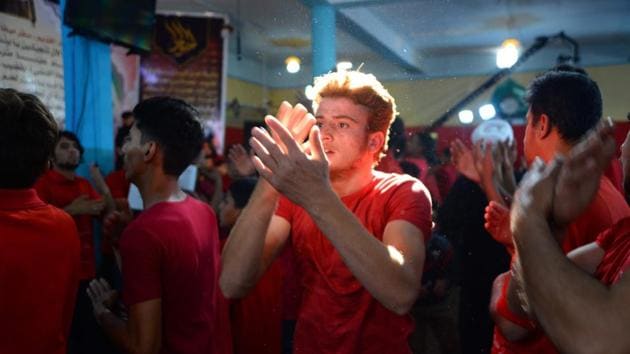
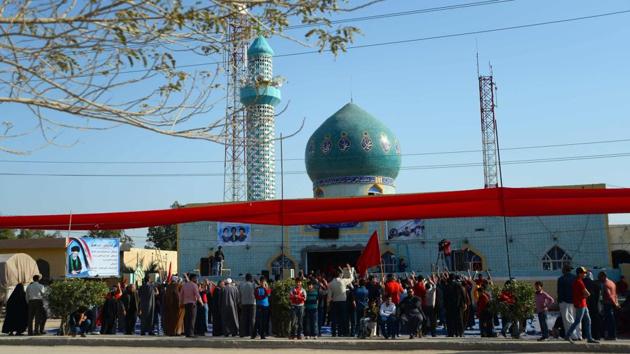
Iraqis Shiites beat their chests in mourning, at their local mosque in the town of Midhatiya, about 100 kilometres (60 miles) south of the capital Baghdad. In parts of conservative Iraq, a religious movement within the Shiite sect has adapted the traditional “latmiyat” -- chanted verses mourning Muslim icons -- to Western-style rap in an effort to keep youth interested in religion. It appears to be working. (Haidar Hamdani / AFP)
2/8
 View Photos in a new improved layout
Updated on May 07, 2019 11:53 AM
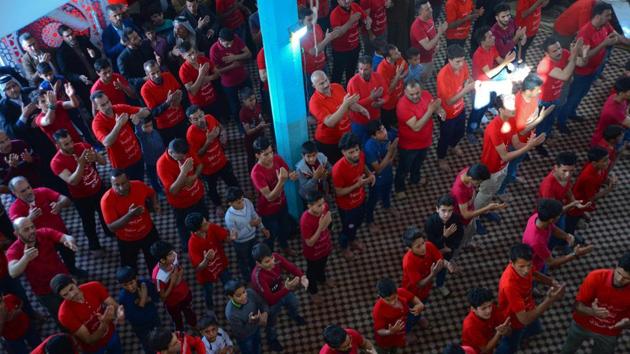
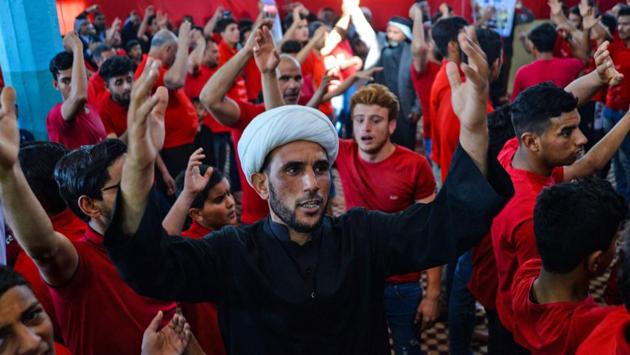
Teens in matching red shirts stand shoulder to shoulder in their local place of worship as if preparing for prayer and the ear-splitting drums reverberate around the hall as Iraqi teenagers shout rhymes venerating the Prophet Mohammad’s grandson and other honoured figures in Islam. (Haidar Hamdani / AFP)
3/8
 View Photos in a new improved layout
Updated on May 07, 2019 11:53 AM
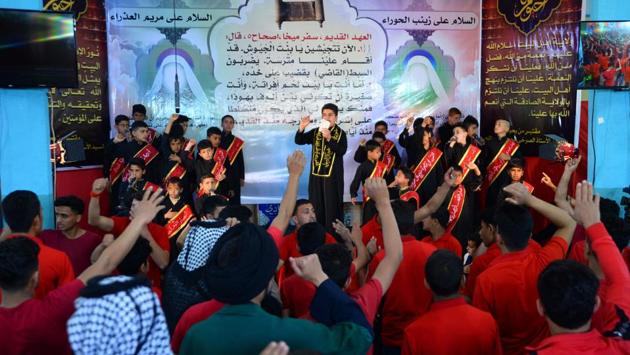
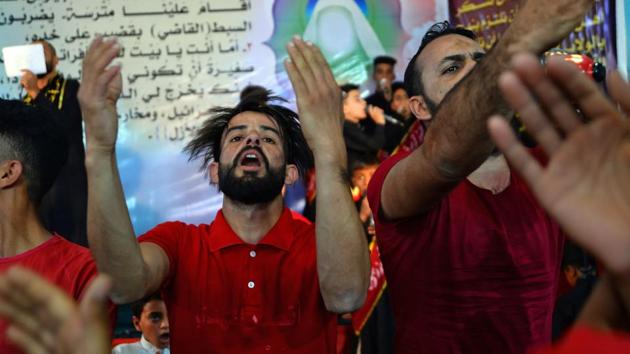
As the black-clad rapper spat lyrics into the microphone on stage, the Iraqi boys below beat their chests in mourning, paying homage to slain Shiite figurehead Hussein. Religion and politics are deeply intertwined in Iraq, where government posts have been allocated according to sect since the US-led invasion in 2003. The country’s 40 million people are mostly Shiites, with a burgeoning youth population navigating an increasingly modern society. (Haidar Hamdani / AFP)
4/8
 View Photos in a new improved layout
Updated on May 07, 2019 11:53 AM
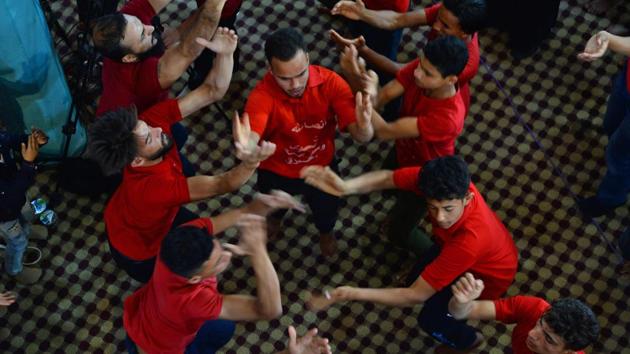
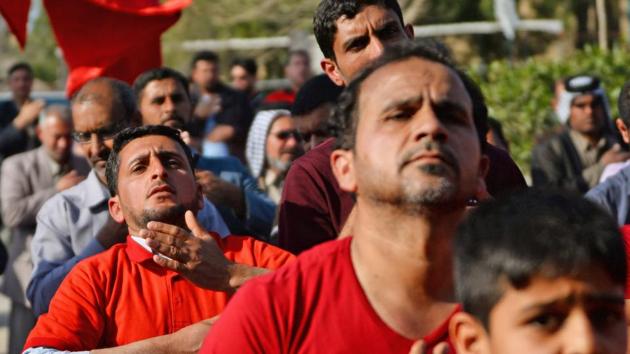
“Young people abandoned religion and morality because of backwards, classical clerics,” said “Husseini” rapper Karrar al-Bederi. In comments to AFP peppered with Quranic verses, he said that the refusal to meet young Muslims halfway had turned the youth towards “crime, drug use, ignorance and atheism.” To fight this, he and fellow Muslims appropriated rap -- usually associated with the United States -- to create a religiously-focused form of worship. (Haidar Hamdani / AFP)
5/8
 View Photos in a new improved layout
Updated on May 07, 2019 11:53 AM
Hardline clerics say Islam forbids all music, even in daily life outside the mosque. Aside from “anasheeds,” which are hymns performed without instruments, the permissibility of music in Islamic worship is disputed. The format has never been performed or used as a style of worship in the country’s two main Shiite holy cities, Najaf and Karbala. (Haidar Hamdani / AFP)
6/8
 View Photos in a new improved layout
Updated on May 07, 2019 11:53 AM
The elderly religious figures along the back wall sway to the rhythm, including Sheikh Salem al-Janahi. Hailing from the Mahmoud al-Sarkhi movement, which has championed “Husseini” rap and is therefore regularly accused of distorting conservative traditions. Straining to make himself heard over the loud music, Janahi told AFP that his more traditional counterparts “had gotten involved in corruption and politics, so young people began running away from religion.” (Haidar Hamdani / AFP)
7/8
 View Photos in a new improved layout
Updated on May 07, 2019 11:53 AM
Rap has also brought social media stardom to some performers, whose modernised “latmiyats” have earned them tens of thousands of online views. One video published on Facebook showed a rapper in jeans and a cap, standing in a grassy field, ”My Lord is unrivalled, he taught me to act with respect. I want to talk about the cause of our imam,” he sang. Iraq’s Shiite authorities have yet to issue a religious ruling (fatwa) on whether the rapped “latmiyat” is acceptable according to Shiite dogma. (Haidar Hamdani / AFP)
8/8
 View Photos in a new improved layout
Updated on May 07, 2019 11:53 AM


