
 E-Paper



Photos: Indonesia’s thirst for coffee restrains export of its premium beans
The world’s fourth largest-coffee growing nation, Indonesia has been exporting their best coffee for decades and has been favoured by the connoisseurs. But coffee consumption in Indonesia has nearly doubled in the past 10 years, as many youngsters are influenced by coffee habits from countries such as Australia and the United States. As a result, hundreds of independent coffee shops and roasters have opened increasing the Indonesia's consumption of beans and leaving less for export.
Updated on: Jun 23, 2018 1:50 PM IST

Share via


Copy link

1/9

 View Photos in a new improved layout
Updated on Jun 23, 2018 1:50 PM
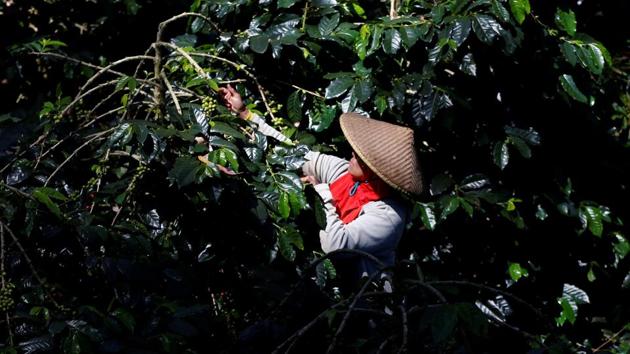
A worker harvests arabica coffee cherries at a plantation in West Java. For decades, Indonesia has supplied coffee roasters worldwide with prized beans that give a distinctive taste to brews favoured by connoisseurs. But now, as younger generations switch to coffee and hundreds of independent coffee shops and roasters pop up across the archipelago, Indonesia’s consumption of beans is rising, leaving less coffee for export. (Darren Whiteside / REUTERS)
2/9
 View Photos in a new improved layout
Updated on Jun 23, 2018 1:50 PM
Arabica is a higher quality bean that is typically roasted and brewed. Its cousin robusta, known for its more bitter taste, is processed into instant coffee or used as a lower cost component in roasted blends. Robusta makes up nearly 90 percent of Indonesia’s coffee harvest. (Darren Whiteside / REUTERS)
3/9
 View Photos in a new improved layout
Updated on Jun 23, 2018 1:50 PM
Influenced by coffee habits in countries such as Australia and the United States, consumption in Indonesia has nearly doubled in the past 10 years. While major producing countries such as Brazil, Vietnam, Colombia and Indonesia have historically exported their best coffee, rising interest in premium beans from local coffee shops is changing this, said Michael Schaefer, global lead of Food and Beverage at Euromonitor International. (Darren Whiteside / REUTERS)
4/9
 View Photos in a new improved layout
Updated on Jun 23, 2018 1:50 PM
Workers sort coffee beans at Pangalengan’s coffee mill. Reports showed that Indonesia’s annual coffee bean output has fallen by around 8% over the past five years. According to farmers’ unpredictable weather, poor crop maintenance and switching to other crops are the main factors responsible for the lower yields. (Darren Whiteside / REUTERS)
5/9
 View Photos in a new improved layout
Updated on Jun 23, 2018 1:50 PM
Workers cover drying arabica coffee beans before it rains at a coffee mill. Exports from the world’s fourth largest-coffee growing nation have dropped by around 20% over the past five years, according to data from the US Department of Agriculture (USDA). The country’s tight supplies are already reflected in first-quarter 2018 shipping data, with coffee exports down 26 % from the same period in 2017. (Darren Whiteside / REUTERS)
6/9
 View Photos in a new improved layout
Updated on Jun 23, 2018 1:50 PM
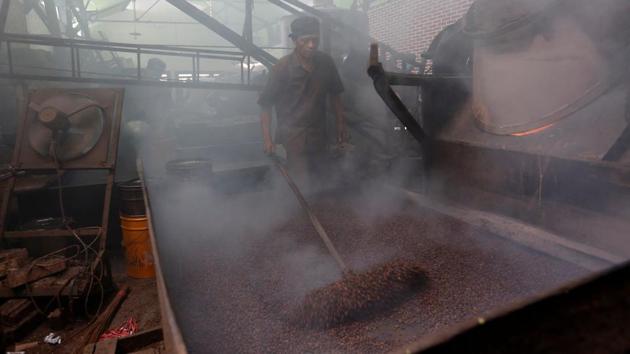
A worker roasts locally grown coffee beans with a traditional wood heated roaster at Kopi Aroma in Bandung, West Java. Many new roasters are offering farmers significantly higher prices for their arabica beans, said Pranoto Soenarto, vice president of the Association of Indonesia Coffee Exporters and Industries. Wooed by the price, farmers are keeping their beans for these micro-roasters, who only buy in small amounts. (Willy Kurniawan / REUTERS)
7/9
 View Photos in a new improved layout
Updated on Jun 23, 2018 1:50 PM
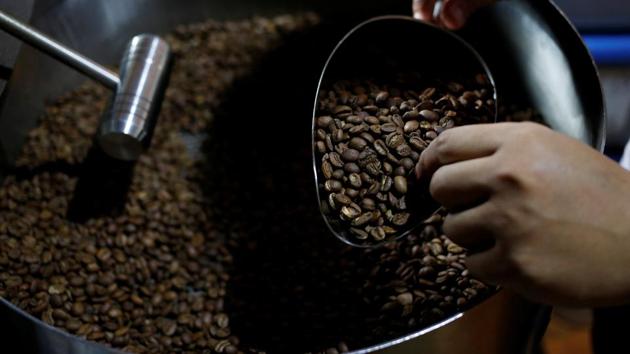
A roaster checks freshly roasted locally grown coffee beans at Jack Runner Roastery coffee shop in Bandung, West Java. A small harvest in Sumatra has eaten further into tightening supplies of that region’s unique arabica beans, which are sought for the heavy, earthy notes they give to roasted blends. Its low production has caused some US importers to pay more to secure supplies. (Willy Kurniawan / REUTERS)
8/9
 View Photos in a new improved layout
Updated on Jun 23, 2018 1:50 PM
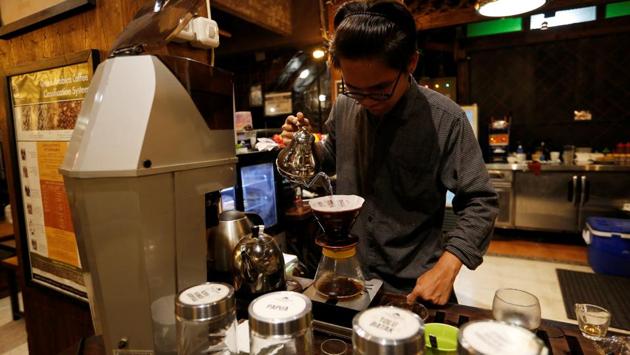
A barista brews locally gown coffee at Jack Runner Roastery coffee shop. The arabica grown in Sumatra is unique, in part due to the unusual bean drying process employed there. Farmers in other countries tried replicating the process but results turned to be unreliable. (Willy Kurniawan / REUTERS)
9/9
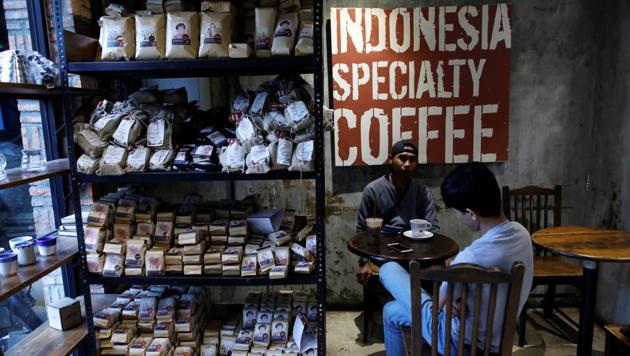 View Photos in a new improved layout
Updated on Jun 23, 2018 1:50 PM


