
 E-Paper



Photos: Iraq’s displaced Sunnis stranded amid Kurd and Shiite interests
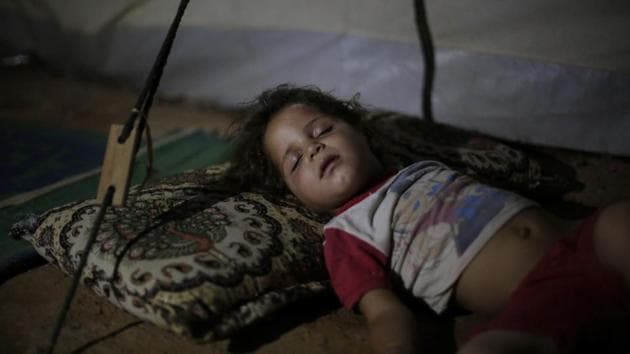
As ISIS continues to lose ground in Iraq, the Sunni Arabs, a minority internally displaced in camps finds returning home still a challenge with territorial claims over recaptured territories announced by Kurd and Shiite groups, leaving Sunni Arabs questioning their place in Iraq’s future.
Updated on: Sep 12, 2017 1:18 PM IST

Share via


Copy link

1/9
 View Photos in a new improved layout
Updated on Sep 12, 2017 1:18 PM
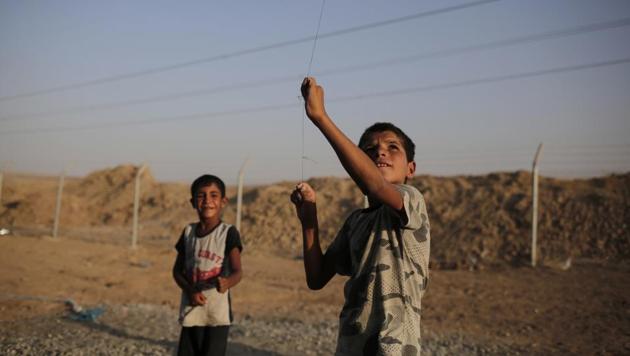
Seven year-old Omar from Mosul flies a kite in the Chamakor camp for displaced. Iraq’s Sunni Arabs generally estimated at 15 to 20% of Iraq’s 37 million people find themselves at a crossroad after 3 years of war to free them from ISIS rule. Vast numbers displaced from their communities are unsure what their place will be in Iraq’s future with the Shiites and the Kurds aiming to alter the demographics of some Sunni areas to impose their own control. (Bram Janssen / AP)
2/9
 View Photos in a new improved layout
Updated on Sep 12, 2017 1:18 PM
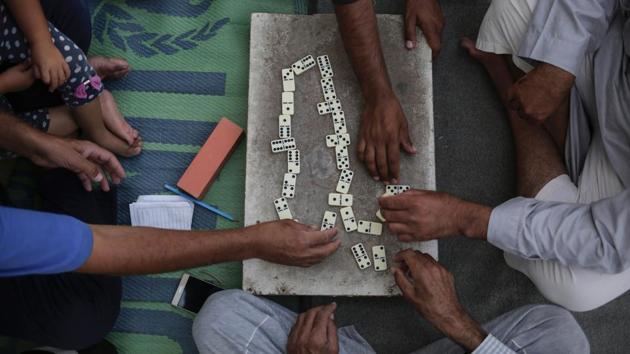
Sunni Arabs play a game of dominoes in the Hassan Sham camp in northern Iraq. Kurdish officials cite security reasons for not allowing residents back even though IS was driven out of the area late last year. At the same time, the Kurds have repeatedly said they intend to incorporate the captured territory into a self-rule zone — even as they plan a referendum for outright independence later this month. This raises questions over the future of Sunni Arab villages like Hassan Sham. (Bram Janssen / AP)
3/9
 View Photos in a new improved layout
Updated on Sep 12, 2017 1:18 PM
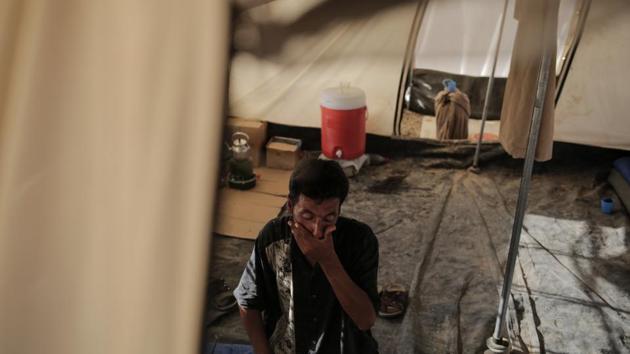
Abu Abdullah Fathi from west Mosul sits inside his tent in the Chamokor camp. His family can’t return to their home in the Tanak neighbourhood after it was destroyed by an air strike. Sunni Arabs have struggled since the 2003 US-led invasion, which toppled Saddam Hussein and opened the door for the Shiite majority to gain electoral power. Sunnis were relegated to second-tier status, igniting an insurgency that brought years of violence giving rise to al-Qaida and its successor, the Islamic State. (Bram Janssen / AP)
4/9
 View Photos in a new improved layout
Updated on Sep 12, 2017 1:18 PM
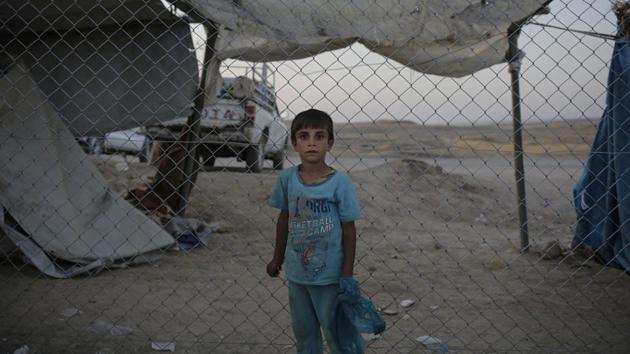
More than 400,000 displaced in the liberation of Mosul are housed in 19 camps around the north. Baghdad routinely says it wants their return and official media celebrate when Sunni Arabs do so. But Sunnis worry over signs of forced demographic changes. For example, a recent International Organization for Migration survey found that nearly 80% of Sunnis displaced from two sampled towns in Diyala had tried to return home but were prevented, whether by Kurdish forces or Shiite militiamen. (Bram Janssen / AP)
5/9
 View Photos in a new improved layout
Updated on Sep 12, 2017 1:18 PM
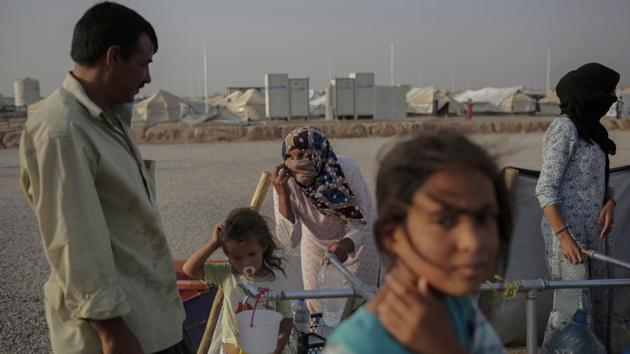
In neighbouring Salah al-Din province, nearly half of those displaced around its capital Tikrit — Saddam’s hometown — said they had been blocked from returning by Shiite militias, according to the IOM survey. Southwest of Baghdad, thousands of Sunni Arabs have been unable to return to Jurf al-Sakhar, a Sunni pocket in mainly Shiite Babel province that controls the gateway to the Shiite holy cities of Najaf and Karbala. Shiite militias drove IS militants from the area in 2014. (Bram Janssen / AP)
6/9
 View Photos in a new improved layout
Updated on Sep 12, 2017 1:18 PM
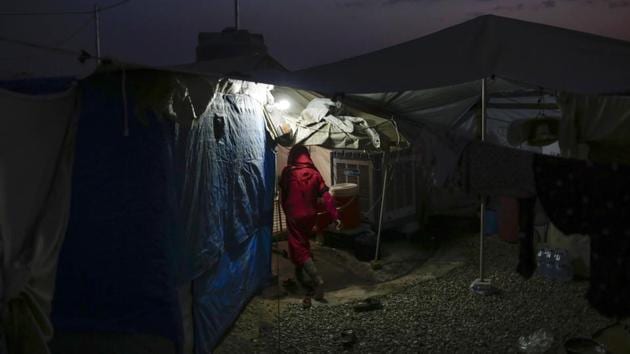
In Khazir camp, Fawaz Ahmed, once a Health Ministry employee, spoke of his secret trips back to his home in Hassan Sham village. ‘My heart keeps telling me to go back and look,’ he said, but Kurdish fighters guarding the village don’t allow visits, so Ahmed and others obtain permits to leave the camp, ostensibly to visit relatives elsewhere, and then sneak into their homes. ‘There is only one question on my mind: Why can’t I go home?’ (Bram Janssen / AP)
7/9
 View Photos in a new improved layout
Updated on Sep 12, 2017 1:18 PM
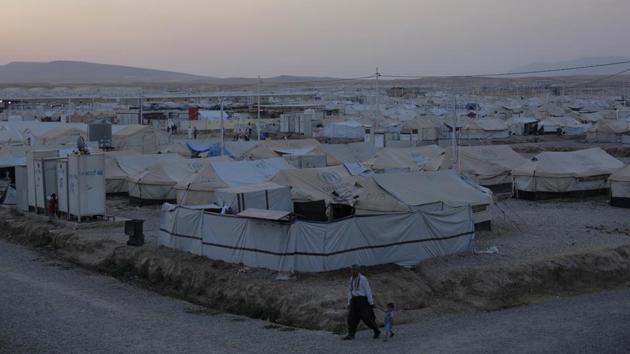
‘One’s village is like his mother. You can never abandon her,’ said Ahmed Hassan Khalaf, another native of Hassan Sham and a father of 13 who is in his mid-70s and in poor health. ‘We used to grow tomatoes on the land on which this camp is built,’ he said, grabbing a fist full of pebbles from the ground outside his tent. Then he murmured, barely audible in despair, ‘Oh God, oh God the compassionate.’ (Bram Janssen / AP)
8/9
 View Photos in a new improved layout
Updated on Sep 12, 2017 1:18 PM
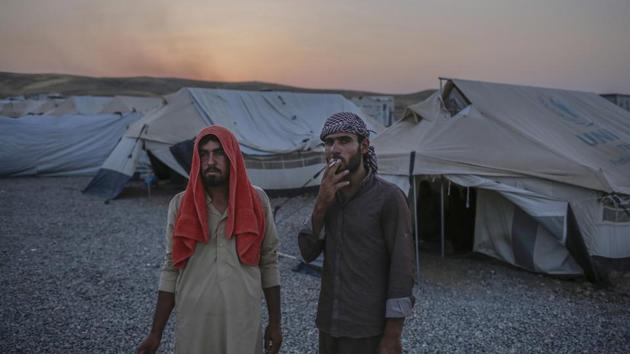
In a sign of resignation and distrust of Shiites, some Sunni Arab tribal chiefs in the north are even publicly campaigning for their areas to join the Kurdish region. The Kurds are overwhelmingly Sunni, but suspicions and divisions run along ethnic lines with Sunni Arabs. Sheikh Iyad al-Laheibi, a local Sunni tribal chief, said he believes Shiite militias are engineering demographic changes in Diyala to secure a direct route from the Iranian border to Baghdad through the province. (Bram Janssen / AP)
9/9
 View Photos in a new improved layout
Updated on Sep 12, 2017 1:18 PM


