
 E-Paper



Photos: Israel’s lingering drought threatens biblical holy waters
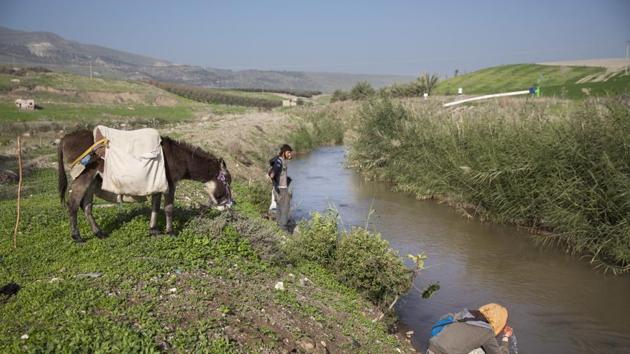
As Israel heads into its fifth consecutive year of drought, the Sea of Galilee, the Jordan River and the Dead Sea --biblical bodies of water --considered crucial to the survival and stability of Israel, Jordan and the Palestinians are facing rapid shrinking and severely reduced flows.
Updated on: Dec 26, 2017 11:06 AM IST

Share via


Copy link

1/9
 View Photos in a new improved layout
Updated on Dec 26, 2017 11:06 AM
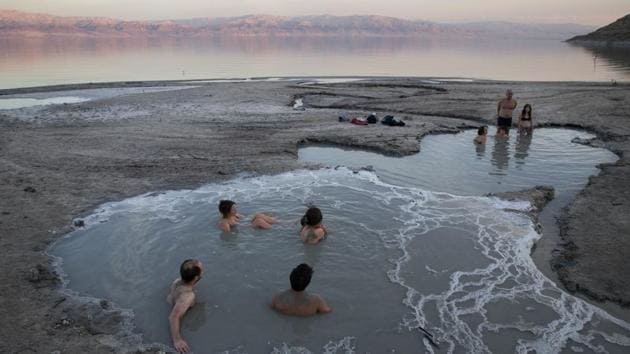
People at a spring water pool along the Dead Sea shore near the Israeli settlement of Ein Gedi. As Israel heads into its fifth consecutive year of drought, the Sea of Galilee stands at a century low, much of the Jordan River is a fetid trickle and the Dead Sea is rapidly shrinking. (Oded Balilty / AP)
2/9
 View Photos in a new improved layout
Updated on Dec 26, 2017 11:06 AM
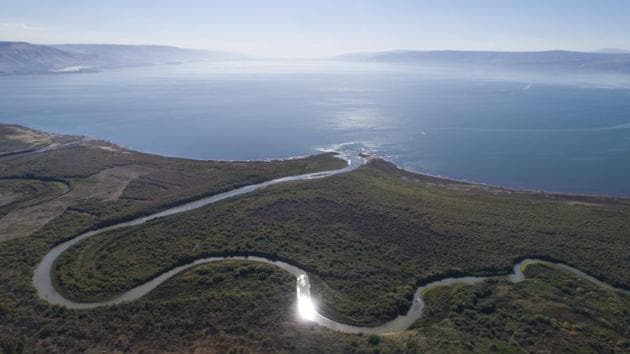
The Jordan River estuary of the Sea of Galilee seen near Karkom, Israel. The biblical bodies of waters — pilgrimage sites for baptisms and beach parties alike — are crucial to the stability of Israel, Jordan and the Palestinians. But more and more of the river the ancient Israelites crossed to enter the Holy Land is drying up — the result of climate change, growing populations and the increasing use of its water for agriculture. (Oded Balilty / AP)
3/9
 View Photos in a new improved layout
Updated on Dec 26, 2017 11:06 AM
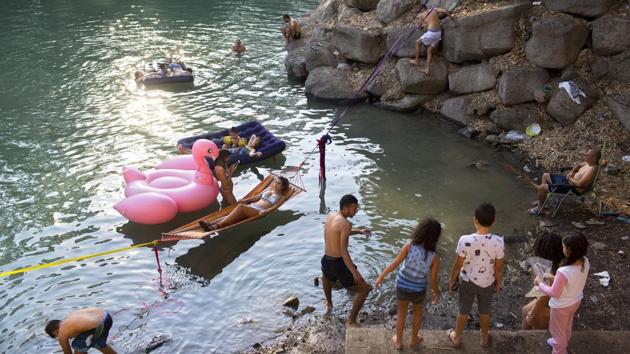
Israelis camp on the banks of the Jordan, where the Sea of Galilee flows into it near Kinneret, Israel. The basin is dotted with sites sacred for Abrahamic faiths. Jesus was baptized in the Jordan, and is said to have walked on the Sea of Galilee, multiplying loaves and fish on its shores. The medieval Jewish scholar Moses Maimonides is buried by the lakeshore, and companions of the Prophet Muhammad are buried on the Jordan’s eastern banks. (Oded Balilty / AP)
4/9
 View Photos in a new improved layout
Updated on Dec 26, 2017 11:06 AM
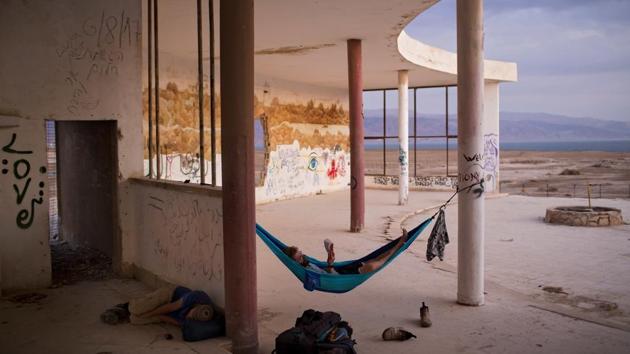
Campers at an abandoned restaurant overlooking the Dead Sea near Kalya. For visitors with high expectations for such iconic sites, the scenes can be shocking. The Jordan River which feeds the Dead Sea has seen around 95% of its historic flow diverted for agriculture since the 1960s. This in turn, has contributed to 60% of the shrinking of the Dead Sea, leaving sinkholes and abandoned beachfront resorts along its shores. (Oded Balilty / AP)
5/9
 View Photos in a new improved layout
Updated on Dec 26, 2017 11:06 AM
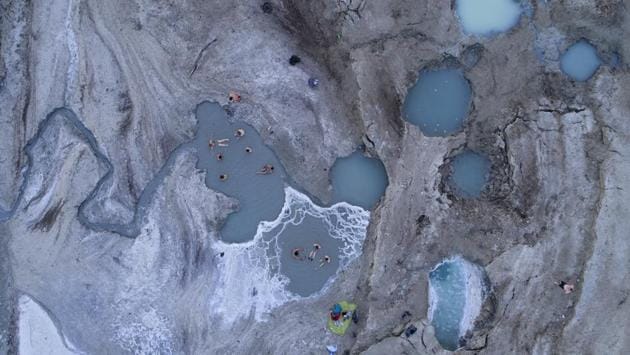
An aerial view shows visitors in a spring water pool on the Dead Sea shore. Israeli and Jordanian industries extracting minerals and salts from the salty lake are responsible for the other 40% of losses to the water level. (Oded Balilty / AP)
6/9
 View Photos in a new improved layout
Updated on Dec 26, 2017 11:06 AM
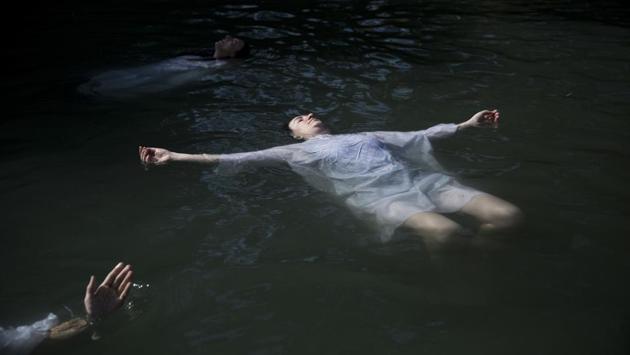
Christian pilgrims baptize in the Jordan River at Yardenit baptismal site in northern Israel. Today, the river’s flow is down to just 30 million cubic meters per year, less than a quarter of its historical levels. London’s River Thames, in comparison, discharges about 2 billion cubic meters annually. (Oded Balilty / AP)
7/9
 View Photos in a new improved layout
Updated on Dec 26, 2017 11:06 AM
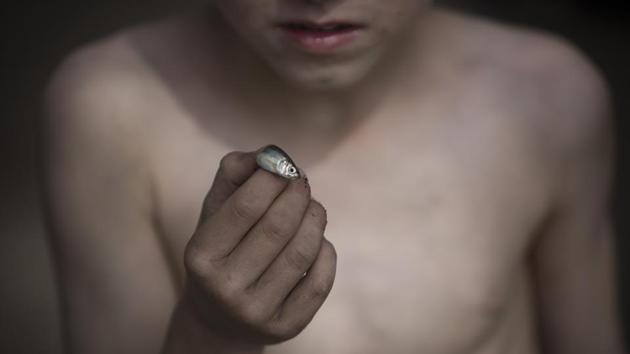
An Israeli youth shows off the small fish he caught on the banks of the Jordan River near Kinneret, Israel. Israeli meteorologists predicted in early December that coming months would be drier than an average winter, prolonging the already troubling drought. The water level in the Sea of Galilee stands at 214 meters, several feet below the point ecologists predict damage to the ecosystem and water quality. (Oded Balilty / AP)
8/9
 View Photos in a new improved layout
Updated on Dec 26, 2017 11:06 AM
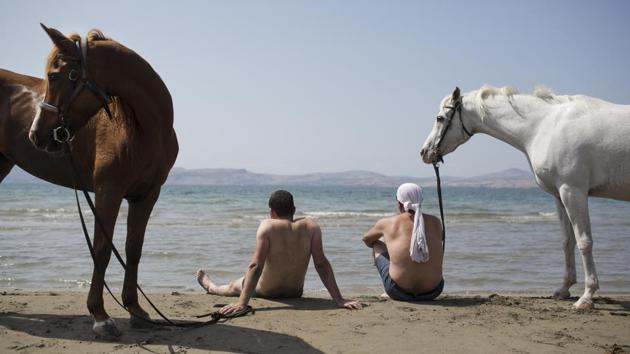
Israeli Druse men sit with their horses on the shores of the Sea of Galilee near Ein Gev. Gidon Bromberg, director of EcoPeace says Israel, Jordan and the Palestinians are all responsible for the dire state of the Jordan. Instead of fresh water keeping the lower Jordan alive, it is filled with sewage and waste. “That’s actually what’s kept the river wet — a combination of agricultural runoff, sewage water and saline waters,” he said. (Oded Balilty / AP)
9/9
 View Photos in a new improved layout
Updated on Dec 26, 2017 11:06 AM


