
 E-Paper



Photos: Melting permafrost shakes up Russian Siberia as planet warms
In Russia's Siberian city of Yakutsk, one of the coldest on Earth, average temperatures have risen by 2.5 degrees Celsius over the past decade. This climate change is causing dangerous melting of the frozen ground, or permafrost, on which buildings stand. A city of about 300,000 Yakutsk is the world’s largest city built on permafrost, and could be especially in danger from permafrost melting. Scientists and engineers are a unique permafrost institute are working on developing improved construction techniques and ways to keep the ground frozen as the planet warms.
Updated on: Dec 06, 2018 1:03 PM IST

Share via


Copy link

1/10
 View Photos in a new improved layout
Updated on Dec 06, 2018 1:03 PM
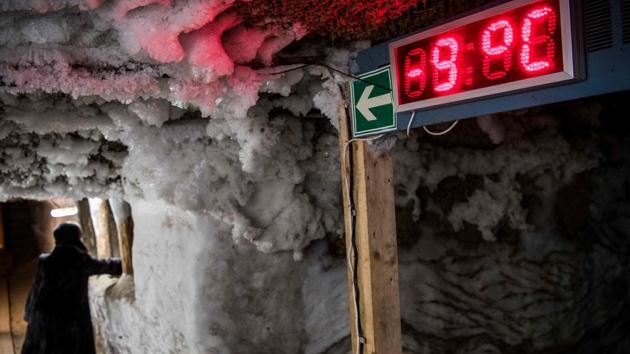
An electronic thermometer shows the temperature in the Museum of the History of Permafrost Studies located beneath the Melnikov Permafrost Institute Yakutsk, Russia. This city, one of the coldest on Earth, is hit by dangerous melting of its frozen ground, or permafrost, on which buildings stand. Average temperatures here have risen by 2.5 degrees Celsius over the past decade. (Mladen Antonov / AFP)
2/10
 View Photos in a new improved layout
Updated on Dec 06, 2018 1:03 PM
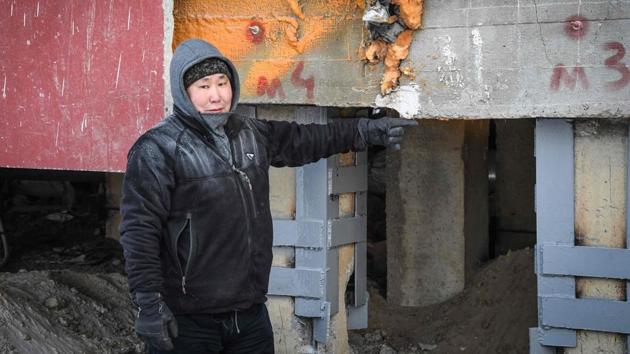
Eduard Romanov points to a spot on a block of flats where a major supporting beam has sagged and begun to crack, destabilising the nine storeys of apartments above. “Since the year before last, the building has started to list and has tilted about 16 inches,” says Romanov, a construction worker and environmental activist. (Mladen Antonov / AFP)
3/10
 View Photos in a new improved layout
Updated on Dec 06, 2018 1:03 PM
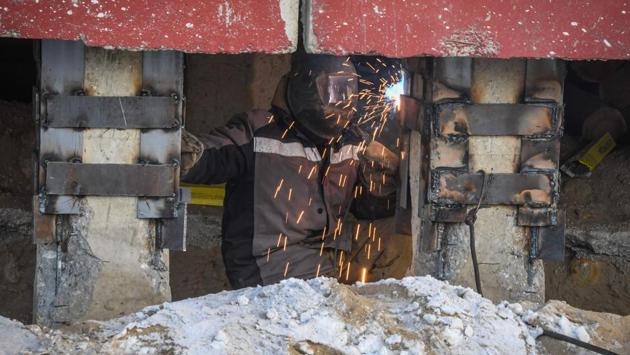
“There is a danger that it will tilt even more,” Romanov says while emergency welding is done in minus 35 degrees Celsius temperatures. Most Soviet-era apartment blocks here are made of concrete panels standing on stilts to ventilate the buildings’ underside and prevent heating the permafrost, a layer of soil cemented together with water that is only stable as long as it’s frozen. (Mladen Antonov / AFP)
4/10
 View Photos in a new improved layout
Updated on Dec 06, 2018 1:03 PM
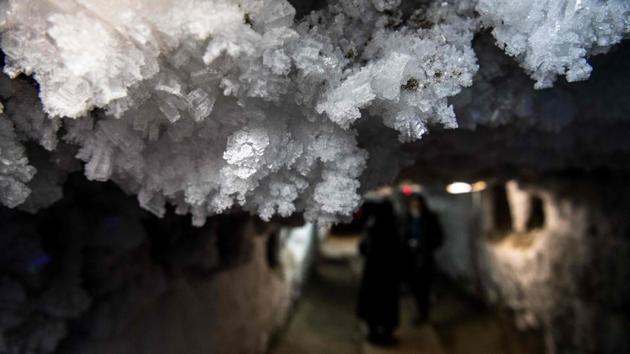
Hotter summers can destroy the permafrost. As the ice melts, the sludge simply sinks taking whatever is on top --a road, a building, a lake or a layer of fertile “black earth” for agriculture. Permafrost in total covers 65% of Russian territory, almost the whole of Yakutia --a northeast Siberian region bordering the Arctic Ocean, an area five times the size of France. (Mladen Antonov / AFP)
5/10
 View Photos in a new improved layout
Updated on Dec 06, 2018 1:03 PM
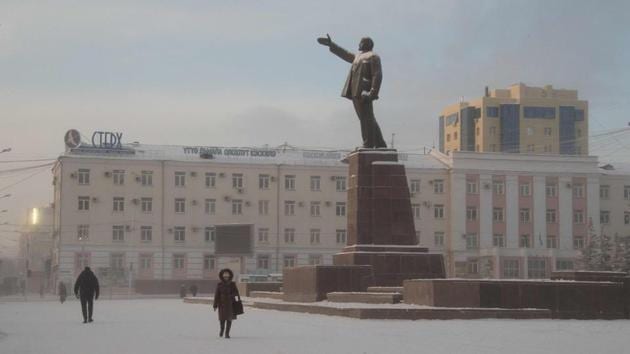
Population about 300,000, Yakutsk is the world’s largest city built on permafrost, and could be especially in danger from the melting. Earlier construction was not done keeping warming climate in mind. The norm in the 1960s was to drive stilts six metres deep into the permafrost but that’s no longer sufficient. All of Yakutsk is in danger, with some buildings already demolished and others crumbling. (Mladen Antonov / AFP)
6/10
 View Photos in a new improved layout
Updated on Dec 06, 2018 1:03 PM
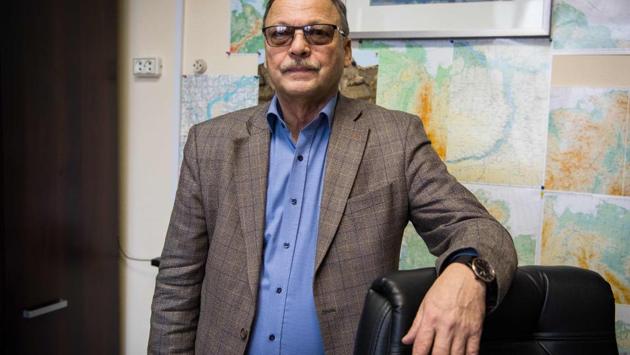
Russia is warming about two-and-a-half times faster than the rest of the world. Mikhail Grigoryev, deputy director of the Permafrost Institute, says so far the warming is “not critical” locally but could endanger the city over decades. He is most concerned about permafrost’s southernmost boundary, in areas such as oil-rich western Siberia. There, permafrost is not as cold, consistent or thick, and warming can lead to disasters. (Mladen Antonov / AFP)
7/10
 View Photos in a new improved layout
Updated on Dec 06, 2018 1:03 PM
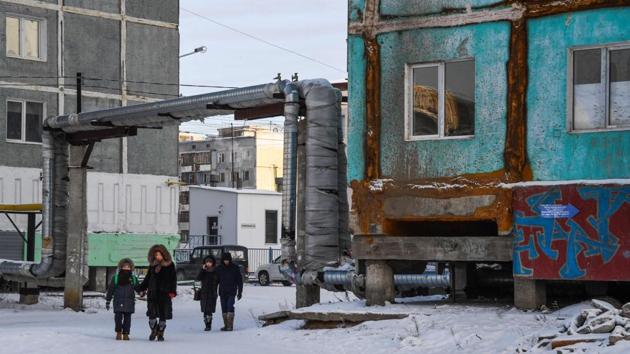
A view of a cracked and partially repaired panel apartment building. Russia’s environment ministry said in a report this year that deterioration of permafrost affects water, sewage and oil pipes as well as buried chemical, biological and radioactive substances. Melting permafrost enables any pollutants to spread faster and more widely, seeping through previously solid ground. (Mladen Antonov / AFP)
8/10
 View Photos in a new improved layout
Updated on Dec 06, 2018 1:03 PM
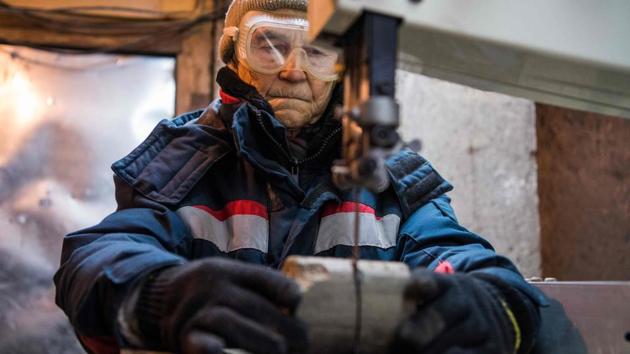
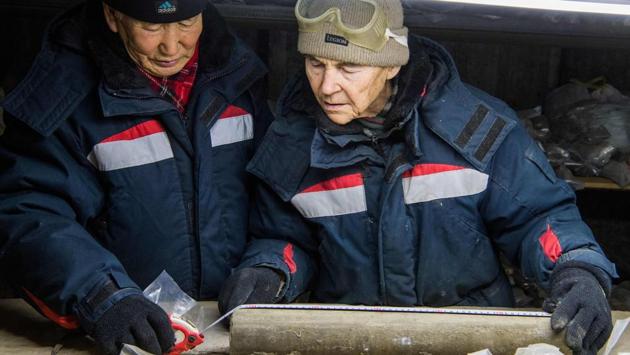
In the Permafrost Institute’s underground labs -- a network of ice-covered tunnels and rooms dug in the permafrost -- scientists and engineers are developing improved construction techniques and ways to keep the ground frozen as the atmosphere warms. (Mladen Antonov / AFP)
9/10
 View Photos in a new improved layout
Updated on Dec 06, 2018 1:03 PM
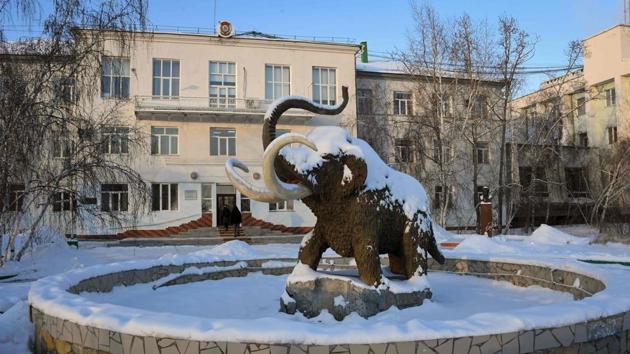
A mammoth sculpture is seen in front of the Permafrost Institute. One method to keep the ground frozen which is already available involves burying vertical metal tubes filled with a non-freezing agent like freon or kerosene in the ground with a part sticking out around or near a building. In winter the agent condenses and drops below the ground surface to keep it cold. (Mladen Antonov / AFP)
10/10
 View Photos in a new improved layout
Updated on Dec 06, 2018 1:03 PM


