
 E-Paper



Photos: Saudi-led group deems Qatar’s response to demands not serious
As Qatar's revised deadline to comply with the list of 13 demands presented by Saudi Arabia, UAE, Bahrain and Egypt has ended, a look at what fuels this diplomatic crisis among the Gulf's oil rich nations.
Updated on: Jul 06, 2017 10:01 AM IST

Share via


Copy link

1/14
 View Photos in a new improved layout
Updated on Jul 06, 2017 10:01 AM
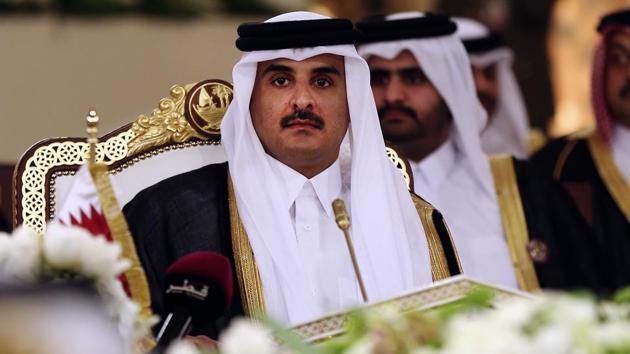
Qatar’s regional diplomatic crisis saw another turn of events as the revised ultimatum set for the nation’s compliance to a list of demands presented by the Saudi-led blockade ran out on July 05, 2017. The state of Qatar has been warned by the coalition comprising Saudi Arabia, the United Arab Emirates, Egypt and Bahrain against further sanctions and blockades if it fails to comply. Qatar has so far submitted a response to the list of 13 demands but also said that it ’is unrealistic and is not actionable’. (Osama Faisal / AP File)
2/14
 View Photos in a new improved layout
Updated on Jul 06, 2017 10:01 AM
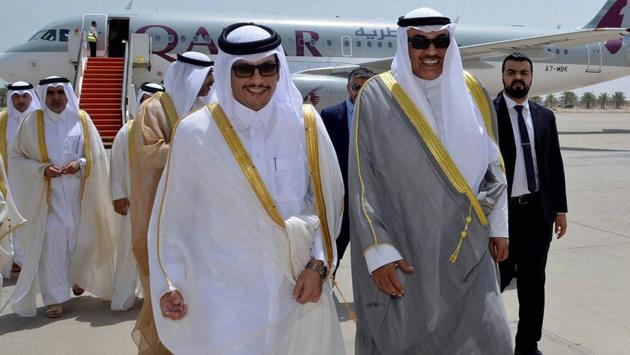
In the latest development in the Qatari blockade, Qatar’s Foreign Minister Sheikh Mohammed bin Abdulrahman Al Thani (L), and Kuwaiti Foreign Minister Sheikh Sabah Khaled Al Sabah (R), walk together on an airport tarmac, on Al Thani’s arrival in Kuwait. Qatar's foreign minister, carrying a handwritten letter from the country's ruling emir arrived in Kuwait amid a diplomatic crisis engulfing his nation. (AP)
3/14
 View Photos in a new improved layout
Updated on Jul 06, 2017 10:01 AM
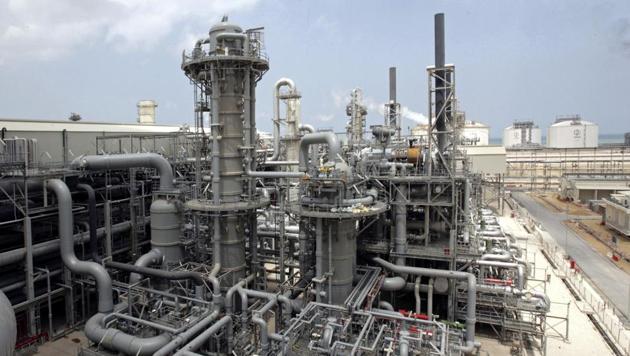
A gas production facility is seen at Ras Laffan, Qatar. The energy-rich Gulf nation of Qatar, facing further isolation from its neighbors amid an ongoing diplomatic rift, said on July 4, 2017, that it plans to boost production of liquefied natural gas by 30 percent over the coming years. (Maneesh Bakshi / AP File)
4/14
 View Photos in a new improved layout
Updated on Jul 06, 2017 10:01 AM
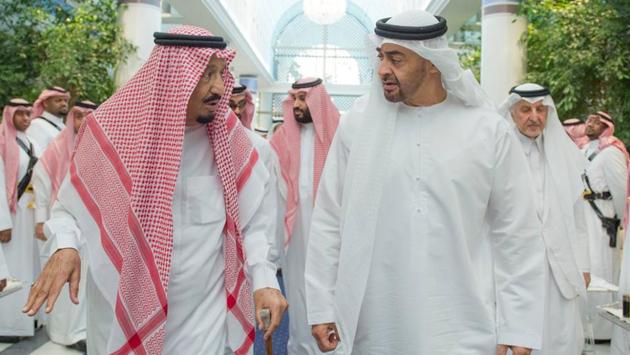
Saudi King Salman bin Abdulaziz Al Saud (L), talks to Sheikh Mohammed bin Zayed Al Nahyan, Abu Dhabi's Crown Prince and Deputy Commander in Chief of the Emirates Armed Forces in Jeddah, Saudi Arabia. Four Arab nations cut diplomatic ties to Qatar on June 5, 2017, further deepening a rift among Gulf Arab nations over the country's alleged support for Islamist groups and its ties with Iran. (Saudi Press Agency / AP)
5/14
 View Photos in a new improved layout
Updated on Jul 06, 2017 10:01 AM
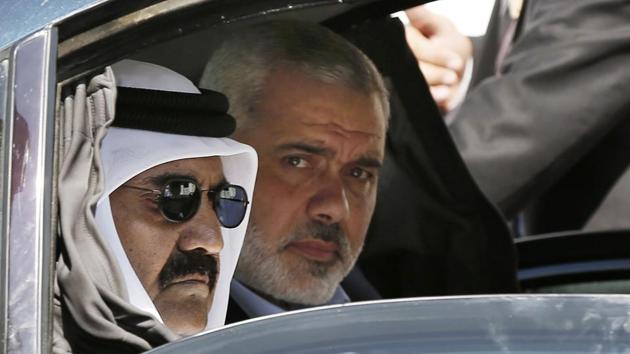
Former Emir of Qatar Sheikh Hamad bin Khalifa al-Thani (L), and Gaza's Hamas prime minister Ismail Haniyeh, arrive for a corner-stone laying ceremony for Hamad, a new residential neighborhood in Khan Younis, Gaza. Qatar has invested hundreds of millions of dollars in infrastructure in Hamas-ruled Gaza, but its role as one of the few foreign backers of the internationally shunned Islamic militant group could is a major issue of contention as Qatar faces pressure from its Gulf neighbours to cut these ties. (Mohammed Salem / AP File)
6/14
 View Photos in a new improved layout
Updated on Jul 06, 2017 10:01 AM
The Arab news network Al-Jazeera has also been thrust into the story with Qatar under pressure to shut down the TV channel that has changed the narrative of news coverage in the Middle East over 20 years. Al-Jazeera is perceived to have lent a voice to the Muslim Brotherhood and also other Islamic pro-democratic voices in the Middle East. (Naseem Zeitoon / Reuters)
7/14
 View Photos in a new improved layout
Updated on Jul 06, 2017 10:01 AM
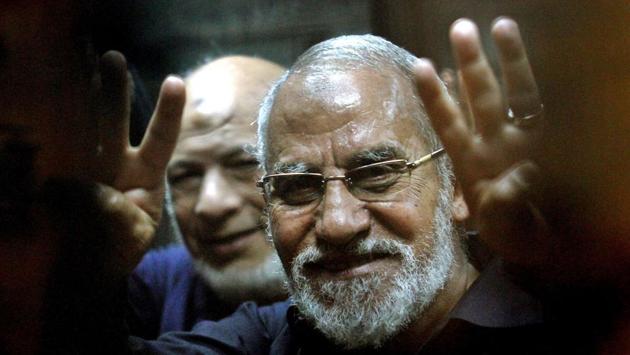
Muslim Brotherhood's supreme guide Mohamed Badie seen in 2013, during his trial at a police academy in Cairo. Qatar’s elimination of support for the Muslim Brotherhood also features on the list of demands put forward. Lebanon’s Hezbollah and the al-Qaida branch in Syria also find mention as organisations that Qatar must cut ties with. (Tarek El-Gabass / AFP File)
8/14
 View Photos in a new improved layout
Updated on Jul 06, 2017 10:01 AM
The disruption of land and sea routes from Qatar to neighbouring nations has also affected the state operated Qatar airways which sees a bulk of its traffic passing through the international airspaces of Saudi Arabia and the United Arab Emirates. (Edgar Su / Reuters File)
9/14
 View Photos in a new improved layout
Updated on Jul 06, 2017 10:01 AM
Qatar’s stock exchange dropped more than 3 percent after it opened on Monday following the Eid al-Fiitr holiday and news of the 48 hour extension of the compliance deadline. (Stringer / Reuters)
10/14
 View Photos in a new improved layout
Updated on Jul 06, 2017 10:01 AM
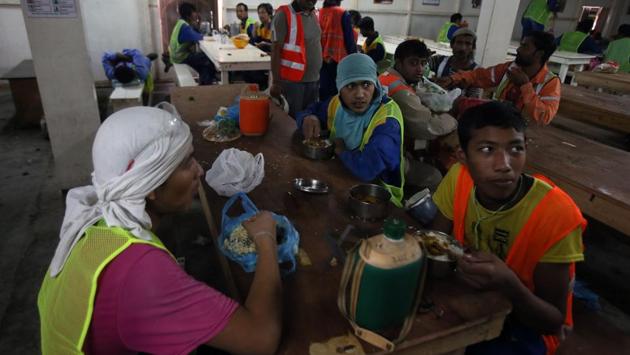
Outside the corridors of power, it is Qatar's foreign workforce - totalling more than two million, mostly from South Asia - who are on the frontline when it comes to the immediate impact of the crisis with uncertainty looming about their employment in this nation away from home. (Karim Jaafar / AFP File)
11/14
 View Photos in a new improved layout
Updated on Jul 06, 2017 10:01 AM
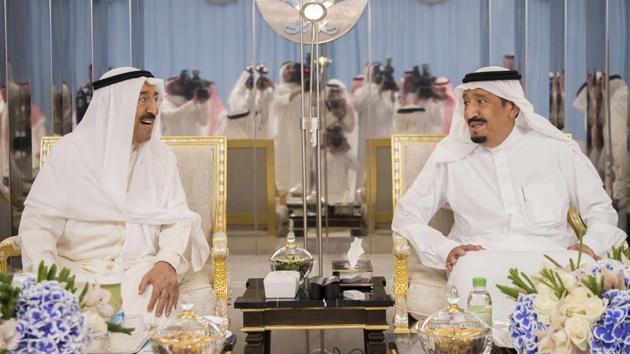
Saudi's King Salman bin Abdulaziz al-Saud (R) meeting with Kuwait's Emir Sheikh Sabah al-Ahmad al-Jaber al-Sabah in the Red Sea city of Jeddah. The Emir travelled to Saudi Arabia for talks aimed at resolving the crisis between Qatar and its Gulf neighbours and has been acting as a mediator. (Bandar Al-Jaloud / AFP)
12/14
 View Photos in a new improved layout
Updated on Jul 06, 2017 10:01 AM
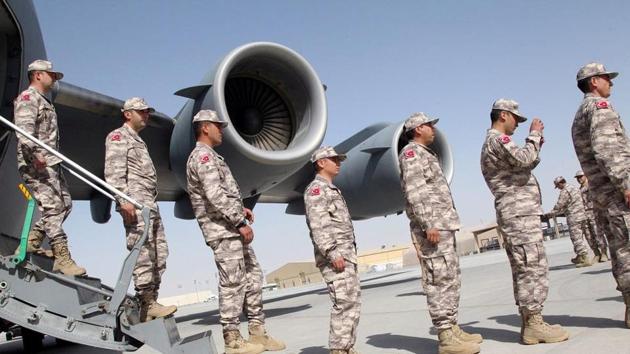
Turkish troops seen at their military base in Doha, Qatar June 23, 2017. The blockade demands the withdrawal of Turkish troops from its state-of-the-art base in Qatar, which Turkish president Erdogan has also refused to implement in a show of support to Qatar. (Qatar News Agency / Reuters)
13/14
 View Photos in a new improved layout
Updated on Jul 06, 2017 10:01 AM
A view of deserted departures area at Hamad International airport in Doha, Qatar, amid the initial deadline proposed for compliance to the demands. (Deepa Babington / Reuters)
14/14
 View Photos in a new improved layout
Updated on Jul 06, 2017 10:01 AM


