
 E-Paper



Photos: Social Uprising Museum preserves the rage of Chile’s protesters
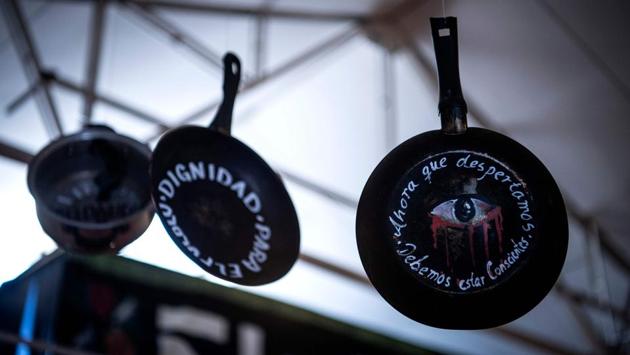
Chile’s Social Uprising Museum brings together street art pieces memorializing months of protests against Sebastian Pinera’s government that broke out in October 2019 and left more than 30 people dead. The protests began innocuously against rising public transport fares but quickly mushroomed into wider anger at social inequality. Awash with multicoloured posters, angry graffiti and other symbols of protest, the Social Uprising Museum aims to keep alive the memory of months of deadly demonstrations. Now, with the tumult of the streets quietened, the rage has been preserved at the museum -- located a stone's throw from Plaza Italia, the epicentre of the uprising.
Updated on: Nov 15, 2020 6:06 PM IST


Share via


Copy link

1/9
 View Photos in a new improved layout
Updated on Nov 15, 2020 6:06 PM
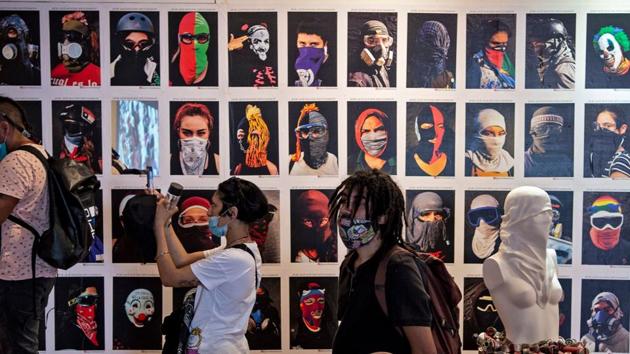
Visitors at the Social Uprising Museum, which exhibits street art pieces from the protests against the Chilean government of Sebastian Pinera, in Santiago on November 11. Filled with multicoloured posters, angry graffiti and other symbols of protest -- metal shields, tear gas cartridges -- Santiago’s Museum of Social Uprising is aiming to keep alive the memory of months of deadly demonstrations that have left a lasting mark on Chile. (Martin Barnetti / AFP)
2/9
 View Photos in a new improved layout
Updated on Nov 15, 2020 6:06 PM
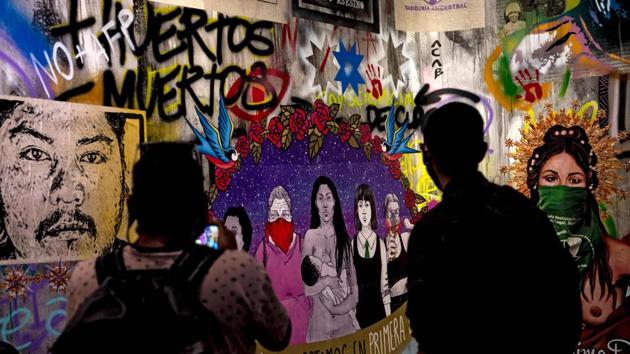
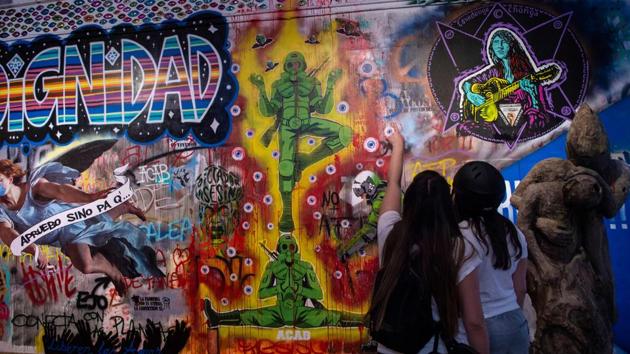
Visitors look at a mural inside the Social Uprising Museum in Santiago on November 11. The messages of the murals bear the accumulated rage of years of social injustice, but also the hopes of a raft of young Chilean artists for a better future, AFP reports. (Martin Barnetti / AFP)
3/9
 View Photos in a new improved layout
Updated on Nov 15, 2020 6:06 PM
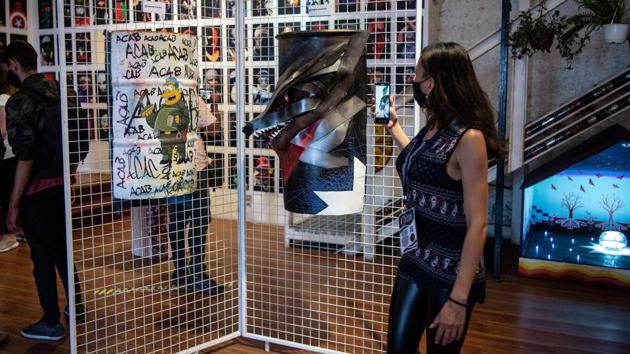
A visitor records an installation art on her cellphone at the Social Uprising Museum in Santiago on November 11. “We wanted to create this space to show what was expressed in the street during the demonstrations,” visual artist Marcel Sola told AFP. (Martin Barnetti / AFP)
4/9
 View Photos in a new improved layout
Updated on Nov 15, 2020 6:06 PM
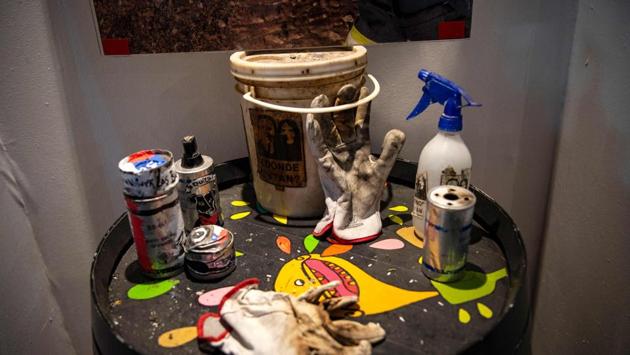
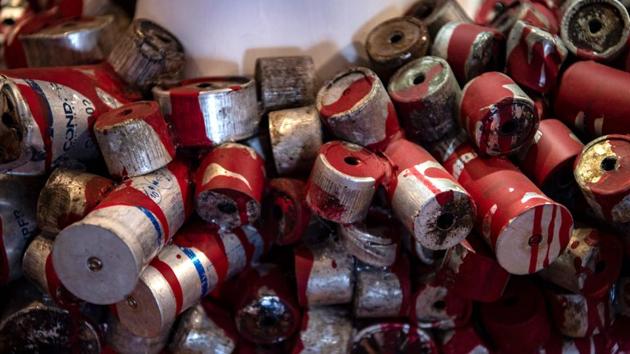
Empty tear gas cartridges, gloves and other objects used during the demonstrations are displayed at the Social Uprising Museum. The museum brings together the work of some 70 street artists, asked to reproduce their protest pieces and assemble assorted objects seen as emblematic of the protests. (Martin Barnetti / AFP)
5/9
 View Photos in a new improved layout
Updated on Nov 15, 2020 6:06 PM
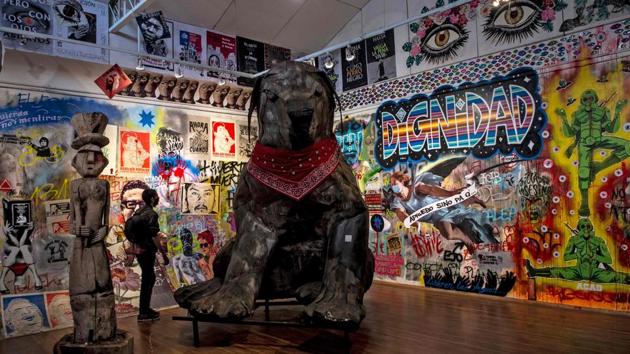
A visitor looks at a sculpture created by Marcel Sola at the Social Uprising Museum in Santiago on November 11. This giant sculpture of a stray dog with a red bandana around its neck is the largest piece in the museum. It became a symbol of the uprising and the black dog attained celebrity status after protesters nicknamed the animal “Negro Matapacos” -- or Black Cop-Killer, AFP reported. (Martin Barnetti / AFP)
6/9
 View Photos in a new improved layout
Updated on Nov 15, 2020 6:06 PM
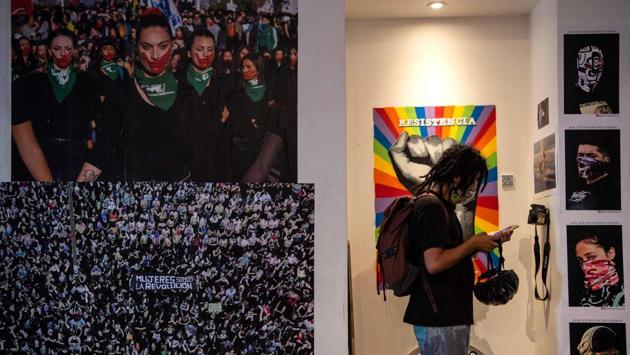
A visitor is pictured next to photographs on display at the Social Uprising Museum in Santiago on November 11. “I like the warmth I felt when I arrived. I felt at home. It gave me a lot of memories and a little bit of grief,” Pedro, a 24-year-old musician viewing the exhibits told AFP. (Martin Barnetti / AFP)
7/9
 View Photos in a new improved layout
Updated on Nov 15, 2020 6:06 PM
Empty tear gas cartridges are displayed at the Social Uprising Museum in Santiago on November 11. The museum opened at the beginning of November, just after the referendum in which Chileans voted overwhelmingly to replace the Pinochet-era constitution -- seen as the principal obstacle to fundamental reform. (Martin Barnetti / AFP)
8/9
 View Photos in a new improved layout
Updated on Nov 15, 2020 6:06 PM
Visitors look a mural displayed at the Social Uprising Museum. Even with restricted opening hours due to the coronavirus pandemic, the museum receives around 150 visitors a day --many of them were participants in the events which the exhibits memorialise. (Martin Barnetti / AFP)
9/9
 View Photos in a new improved layout
Updated on Nov 15, 2020 6:06 PM


