
 E-Paper



Photos| Stigma or separation: The painful choice facing Myanmar’s single mothers
Myanmar’s Myint Mo Myittar Single Mothers' Foundation provides a home to girls and women who are in the last few months of their pregnancy and next 45 days after giving birth. In a country where single mothers are ostracised and deemed a "disgrace," this center provides refuge to them. Most women arrive with intent on leaving their babies to hand over to the state-run orphanage system. With only a handful of such organisations across Myanmar, women’s rights group IPAS estimates that 246,000 unsafe abortions are undertaken every year.
Updated on: Nov 14, 2018 10:29 AM IST

Share via


Copy link

1/9
 View Photos in a new improved layout
Updated on Nov 14, 2018 10:29 AM
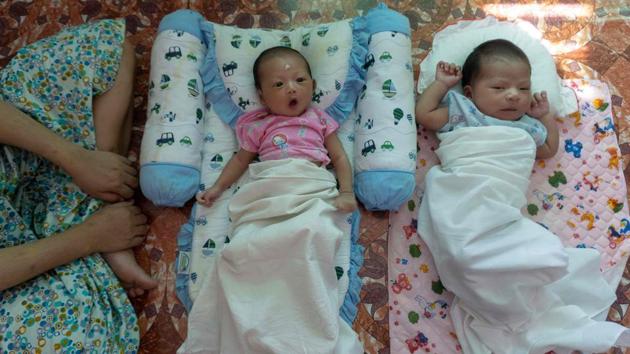
Babies of unmarried women seen at the Myint Mo Myittar Single Mothers' Foundation in Yangon. More than 100 girls and women pass through the doors of the centre, which provides a home for those in the last few months of their pregnancy and for 45 days after giving birth and provides refuge to single mothers away from the disparaging eyes of their neighbours and the chastisement of their families. (Phyo Hein Kyaw / AFP)
2/9
 View Photos in a new improved layout
Updated on Nov 14, 2018 10:29 AM
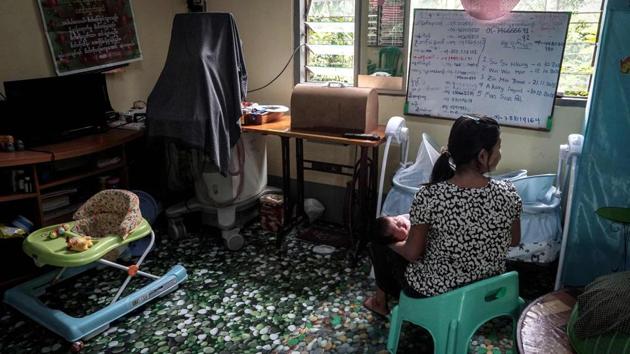
Eight months pregnant, shamed by her family and shunned by the father of her child, Aye Mar --not her real name (pictured) has accepted she will have to give up her baby to an orphanage in Myanmar, a country where single mothers are ostracised and deemed a “disgrace.” Her aunts were “furious” when the 19-year-old told them she had fallen in love with the water delivery boy and become pregnant. (Phyo Hein Kyaw / AFP)
3/9
 View Photos in a new improved layout
Updated on Nov 14, 2018 10:29 AM
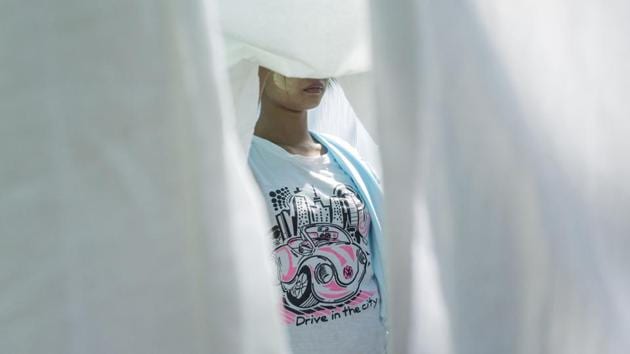
An unmarried mother (identity obscured) hangs her baby's diapers while taking refuge at the foundation. Radiologist Myat Sandar Thant set up the foundation two years ago, appalled by the suicide of a patient who could not face the shame of pregnancy. Most women arrive with intent on leaving their babies for her to hand over to the state-run orphanage system. (Phyo Hein Kyaw / AFP)
4/9
 View Photos in a new improved layout
Updated on Nov 14, 2018 10:29 AM
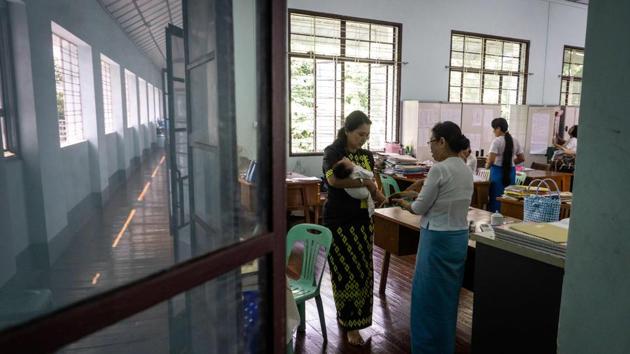
But the majority end up taking their children home, small victories in the battle against conservative values which place the weight of responsibility for unwanted pregnancies on women. “When they get here, they see other people in the same situation as them and they start feeling better about themselves,” said Thant (L). Those who do relinquish their babies are usually forced to do so by their parents or other family members. (Phyo Hein Kyaw / AFP)
5/9
 View Photos in a new improved layout
Updated on Nov 14, 2018 10:29 AM
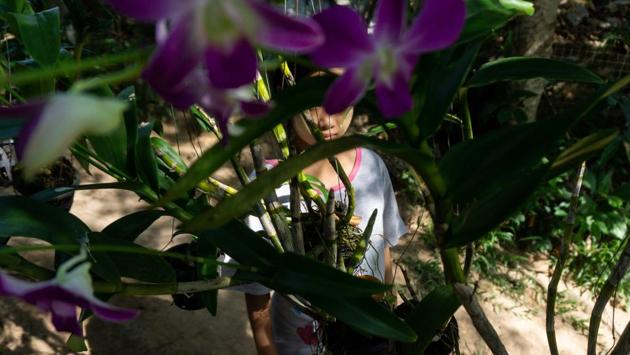
A pregnant 12-year-old rape victim (identity obscured) takes refuge at the Myint Mo Myittar Single Mothers' Foundation. With only a handful of such organisations across Myanmar, many girls and women opt for illegal abortions. In the country of some 50 million, women’s rights group IPAS estimates that 246,000 unsafe abortions are undertaken every year. (Phyo Hein Kyaw / AFP)
6/9
 View Photos in a new improved layout
Updated on Nov 14, 2018 10:29 AM
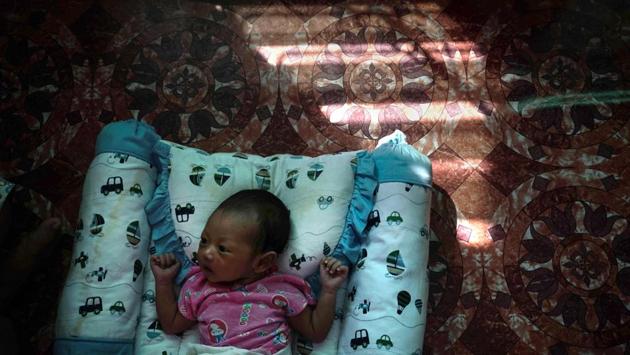
Myanmar has the second-highest maternal death rate in the region. There are no official statistics on the number of unmarried mothers in a country where data records are patchy and delicate social issues are often swept under the carpet. But 2014 census data suggests almost 50,000 15-19 year-olds give birth each year. (Phyo Hein Kyaw / AFP)
7/9
 View Photos in a new improved layout
Updated on Nov 14, 2018 10:29 AM
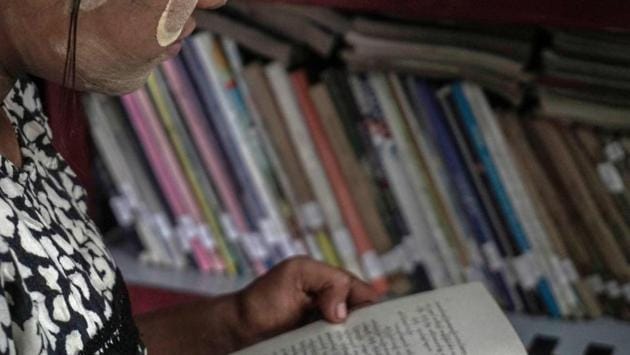
“In most communities, pregnant adolescent girls are told to drop out of school,” said Yadanar, a youth programme analyst at the UN Population Fund (UNFPA) who goes by one name. Family planning clinics are few -- particularly in rural areas -- or extremely limited in what they can offer.“The services need to be more welcoming to the youth, without any judgement, without stigma, without discrimination, keeping their confidentiality,” Yadanar added. (Phyo Hein Kyaw / AFP)
8/9
 View Photos in a new improved layout
Updated on Nov 14, 2018 10:29 AM
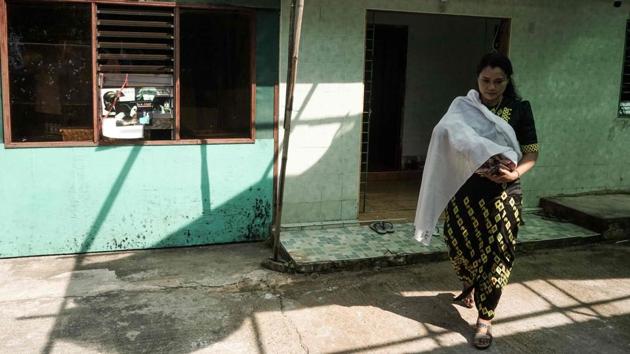
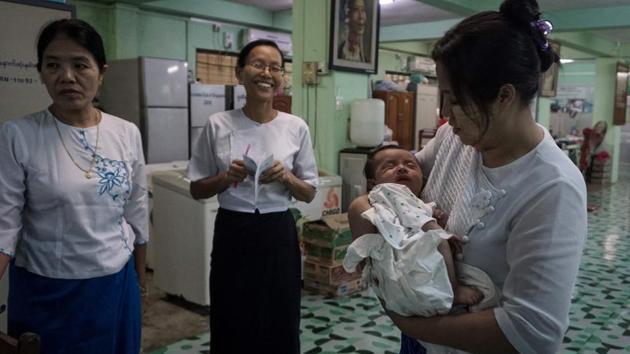
Thant carries a baby at the centre. Although sex education is on the school curriculum teachers often ignore it, while many parents avoid out of embarrassment or a hope that silence offers protection. A group of tech entrepreneurs are hoping an app for young women, brimming with beauty tips, fashion -- and information about reproductive health -- might help educate and break down stigma in the country. (Phyo Hein Kyaw / AFP)
9/9
 View Photos in a new improved layout
Updated on Nov 14, 2018 10:29 AM


