
 E-Paper



Photos | The Tokyo taxi driver: Hospitality, unreserved attention
Taxi service has been a concern at some Olympics: poorly trained drivers, dilapidated cars, and sloppy dress. A decade ago in Beijing, the government published edicts for drivers to stop spitting, clean their taxis, and warned about eating on the job. Customers also got lessons on waiting in line and not jumping ahead. This shouldn’t be at problem at next year’s Tokyo Olympics. Very few countries deliver better service than Japan: in shops, in restaurants, or in taxis. It’s called “Omotenashi” and translates roughly as hospitality — or offering customers unreserved attention. Visitors always comment on it. And it’s no accident.
Updated on: Dec 23, 2019 10:50 AM IST


Share via


Copy link

1/13
 View Photos in a new improved layout
Updated on Dec 23, 2019 10:50 AM
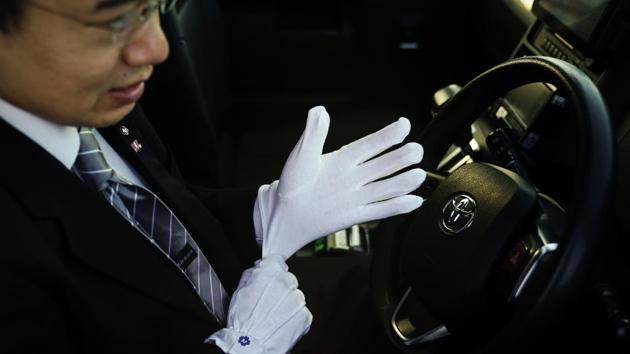
Norihito Arima, a 33-year-old taxi driver working for Nihon Kotsu, one of the largest taxi companies in Japan, puts on white gloves in his taxi while getting ready to work. Very few countries deliver better service than Japan: in shops, in restaurants, or in taxis. It’s called “Omotenashi” and translates roughly as hospitality — or offering customers unreserved attention. (Jae C. Hong / AP)
2/13
 View Photos in a new improved layout
Updated on Dec 23, 2019 10:50 AM
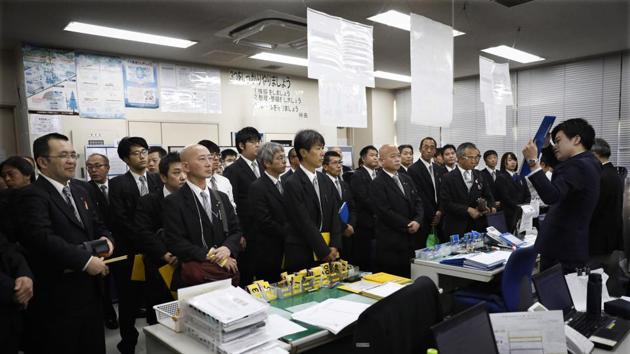
Nihon Kotsu taxi drivers attend a roll call meeting at the company's Akabane office. Visitors always comment on it. And it’s no accident. Take Tokyo taxi driver Norihito Arima, for instance, as he stands alongside 30 or 40 other drivers at a roll call before his 18-hour shift with the taxi company. (Jae C. Hong / AP)
3/13
 View Photos in a new improved layout
Updated on Dec 23, 2019 10:50 AM
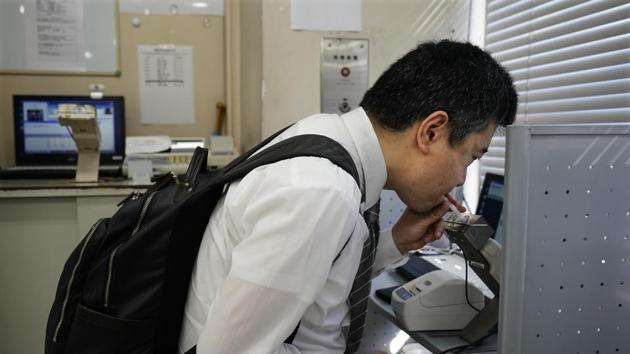
Norihito Arima, blows into a breathalyzer before picking up his key at the company’s Akabane office. The daily muster wraps up as drivers — 95% are men — bow toward a small Shinto shrine. And for good measure, they undergo a breathalyzer before hitting the road. (Jae C. Hong / AP)
4/13
 View Photos in a new improved layout
Updated on Dec 23, 2019 10:50 AM
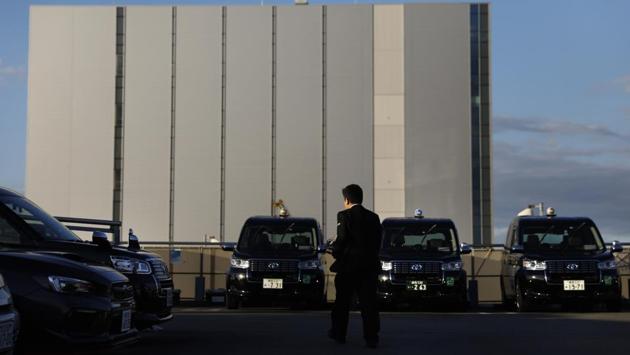
Norihito Arima walks to a taxi for an inspection. The company also has a booklet for drivers with 77 dos and don’ts: how and when to speak to passengers, taxi sanitation and opening doors for customers. There’s even one instructing drivers to keep both hands on the wheel. (Jae C. Hong / AP)
5/13
 View Photos in a new improved layout
Updated on Dec 23, 2019 10:50 AM
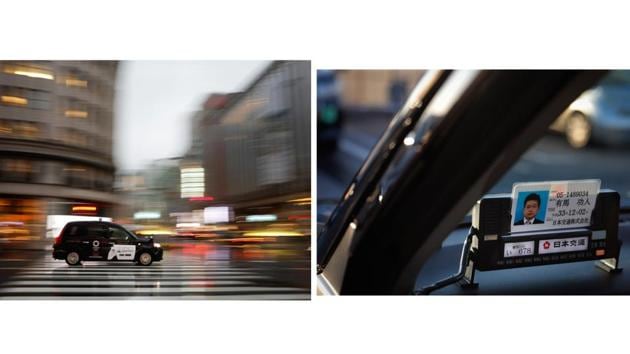
A taxi passes through Ginza and Norihito Arima’s permit on his dashboard. Taxi service has been a concern at some Olympics: poorly trained drivers, dilapidated cars, and sloppy dress. A decade ago in Beijing, the government published edicts for drivers to stop spitting, clean their taxis, and warned about eating on the job. Customers also got lessons on queueing. This shouldn’t be at problem at next year’s Tokyo Olympics. (Jae C. Hong / AP)
6/13
 View Photos in a new improved layout
Updated on Dec 23, 2019 10:50 AM
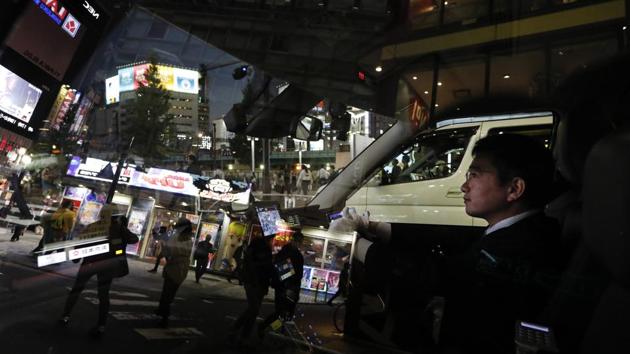
Norihito Arima waits for traffic light to change as he drives along the streets of Tokyo. He drives in a suit and tie. White gloves are optional. Drivers are not allowed to have tattoos or wear sunglasses, and men must be clean-shaven. “It’s something like the army,” Norihito said. (Jae C. Hong / AP)
7/13
 View Photos in a new improved layout
Updated on Dec 23, 2019 10:50 AM
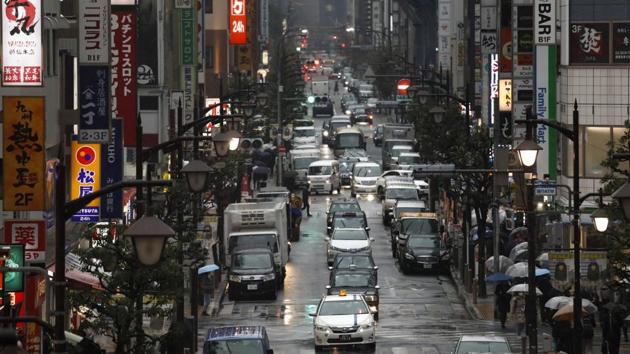
Taxis drive on a narrow street in Tokyo's Shimbashi neighborhood. “Japanese people have a pride in this service,” Norihito said in an interview with The Associated Press. “In the western notion, an individual is independent. But we Japanese are homogeneous. We think of each other as part of the society, the community. So the honor we get as a group is part of the honor each member gets.” (Jae C. Hong / AP)
8/13
 View Photos in a new improved layout
Updated on Dec 23, 2019 10:50 AM
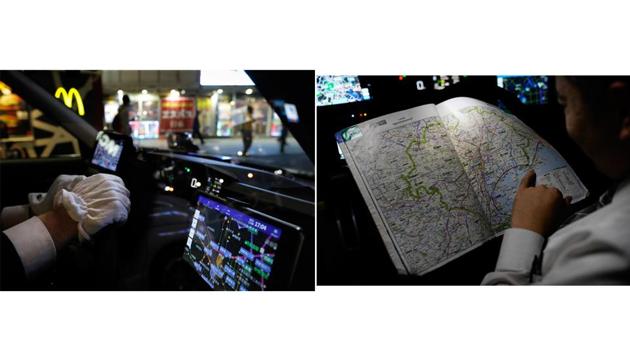
Norihito Arima waits for traffic light to change in the Shinjuku district (L) and studies the map of Tokyo in his taxi while taking a break outside a convenient store. Japan is not perfect, of course. Commuters often push to get on crowded subway trains or bump into anonymous strangers on the sidewalk without apology. Westerns usually receive great service, but some other non-Japanese complain they do not. (Jae C. Hong / AP)
9/13
 View Photos in a new improved layout
Updated on Dec 23, 2019 10:50 AM
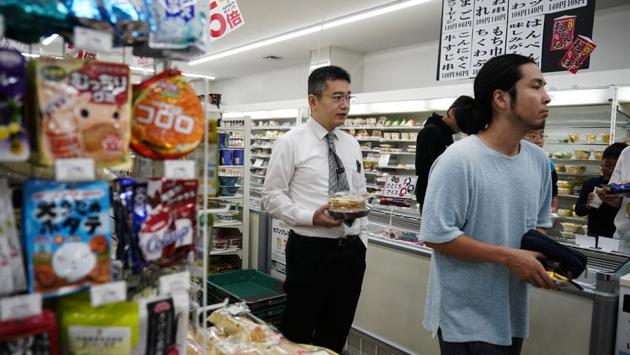
Norihito Arima waits in line at a convenient store to pay for his dinner. Japan has a low crime rate, which is good news for taxis drivers. But nocturnal Tokyo presents a heavy-drinking culture that can — literally — wind up in the laps of taxi drivers who work overnight. Norihito said he routinely offers a specially designed bag to unsteady customers. (Jae C. Hong / AP)
10/13
 View Photos in a new improved layout
Updated on Dec 23, 2019 10:50 AM
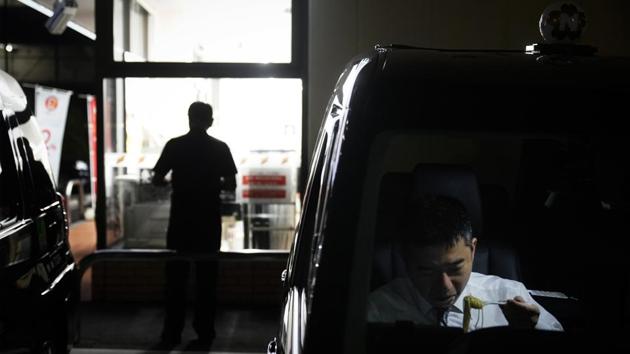
Norihito Arima eats his dinner in his taxi. Norihito said the “damage” occurs a couple of times a year and, under company policy, drivers are told not to collect fares from these customers. He said it’s not easy to avoid the heavy drinkers. With few exceptions, the law requires drivers to pick up customers requesting a ride. Also, it’s impossible to ignore a customer if a reservation has been booked ahead of time. (Jae C. Hong / AP)
11/13
 View Photos in a new improved layout
Updated on Dec 23, 2019 10:50 AM
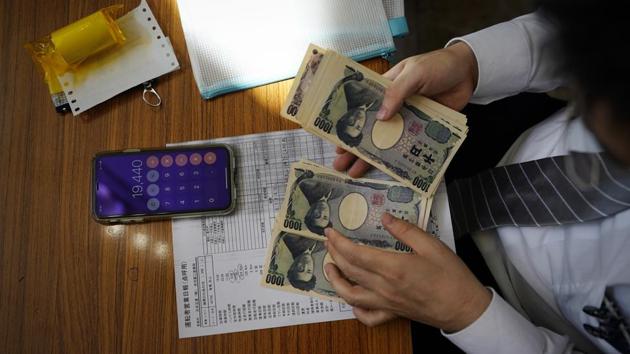
Norihito Arima counts cash he earned from his graveyard shift. Norihito has an MBA and speaks English fluently. For drivers who don’t, the company has a tablet to assist with language and a hotline for translation emergencies. Drivers can earn about 50,000-60,000 yen — about $450-550 — in a typical 18-hour shift. Drivers keep half and the company gets the other half. (Jae C. Hong / AP)
12/13
 View Photos in a new improved layout
Updated on Dec 23, 2019 10:50 AM
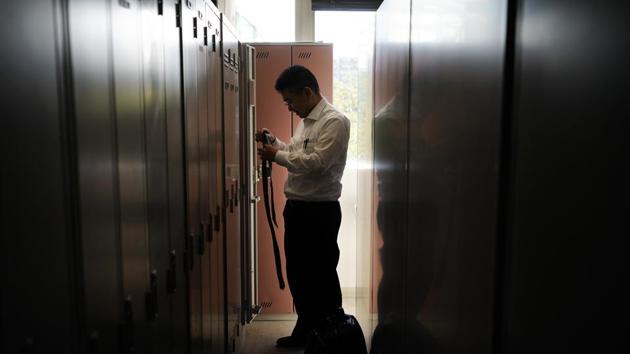
Norihito Arima takes off his tie after returning from his graveyard shift. Norihito acknowledged that when he started driving three years ago — he gave up a “boring office job” as a data analyst — he barely knew his way around Greater Tokyo, an area of about 35 million. “I couldn’t tell Shibuya from Shinjuku,” he said, despite passing a test that was much less rigorous than, say, London’s famous “The Knowledge” exam for taxi drivers. (Jae C. Hong / AP)
13/13
 View Photos in a new improved layout
Updated on Dec 23, 2019 10:50 AM


