
 E-Paper



Stunning pictures of Jupiter sent by NASA’s Juno spacecraft
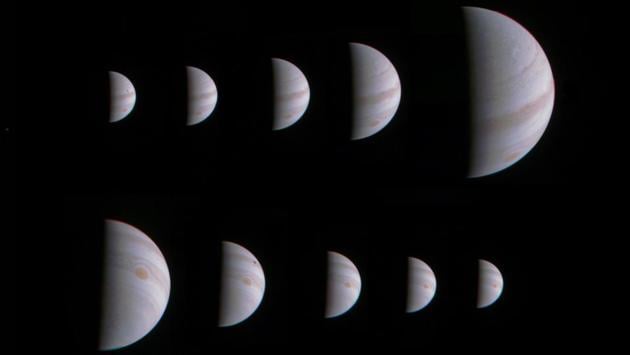
NASA’s Juno spacecraft arrived at Jupiter in 2016 to study our solar system’s largest planet. (NASA)
Updated on: Apr 03, 2017 4:08 PM IST

Share via


Copy link

1/10
 View Photos in a new improved layout
Updated on Apr 03, 2017 4:08 PM
NASA’s Juno spacecraft arrived at Jupiter in 2016 to study our solar system’s largest planet. (NASA)
2/10
 View Photos in a new improved layout
Updated on Apr 03, 2017 4:08 PM
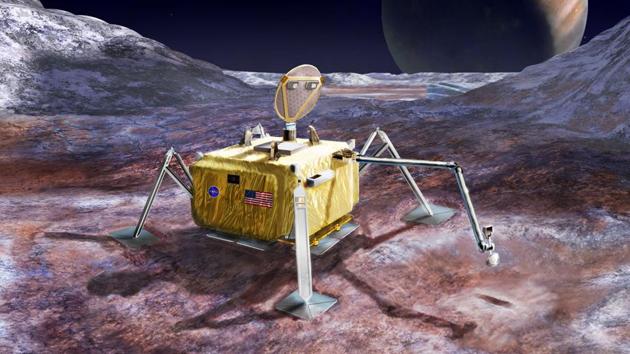
From a unique polar orbit, Juno repeatedly dives between the planet and its intense belts of charged particle radiation, coming only about 3,000 miles (5,000 kilometers) from the cloud tops at closest approach. (NASA)
3/10
 View Photos in a new improved layout
Updated on Apr 03, 2017 4:08 PM
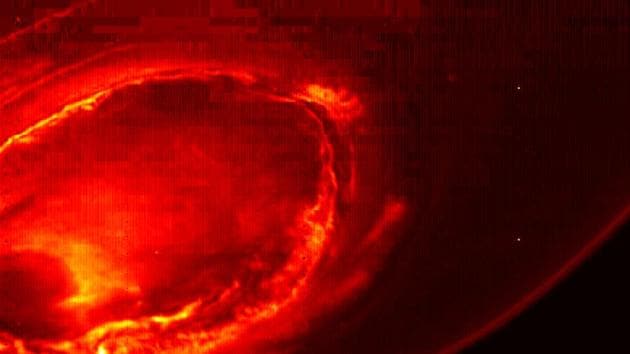
Juno’s primary goal is to improve our understanding of Jupiter’s formation and evolution. (NASA)
4/10
 View Photos in a new improved layout
Updated on Apr 03, 2017 4:08 PM
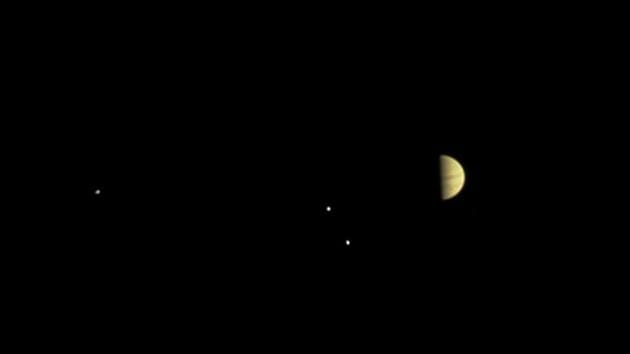
The spacecraft investigates the planet’s origins, interior structure, deep atmosphere and magnetosphere. (NASA)
5/10
 View Photos in a new improved layout
Updated on Apr 03, 2017 4:08 PM
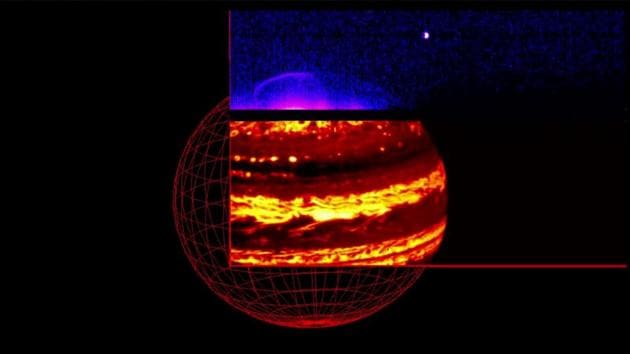
Juno’s study of Jupiter will help us to understand the history of our own solar system and provide new insight into how planetary systems form and develop in our galaxy and beyond. (NASA)
6/10
 View Photos in a new improved layout
Updated on Apr 03, 2017 4:08 PM
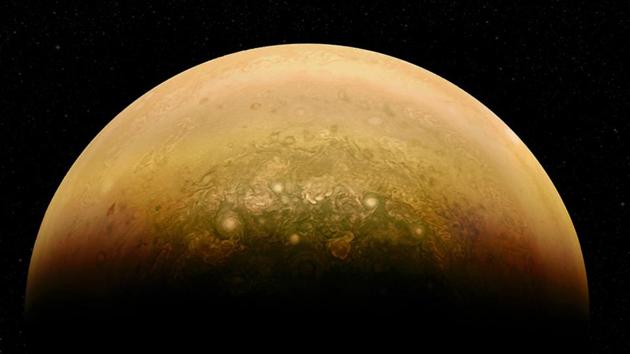
The Juno spacecraft, for the first time, sees below Jupiter’s dense cover of clouds. This is why the mission was named after the Roman goddess, who was Jupiter’s wife, and who could also see through clouds. (NASa)
7/10
 View Photos in a new improved layout
Updated on Apr 03, 2017 4:08 PM
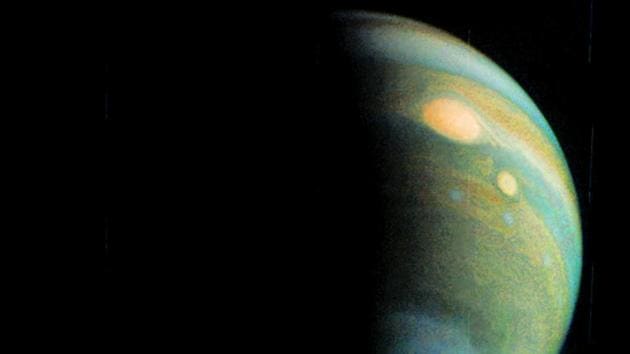
The Juno mission investment is $1.13 billion in total. This cost includes spacecraft development, science instruments, launch services, mission operations, science data processing and relay support for 78 months. (NASA)
8/10
 View Photos in a new improved layout
Updated on Apr 03, 2017 4:08 PM
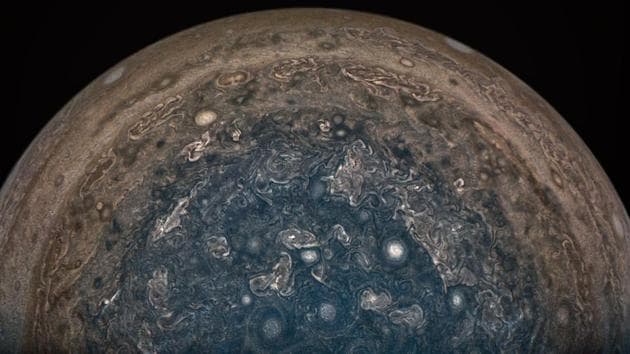
It is the first space mission to operate a solar powered spacecraft at Jupiter and the first space mission to orbit an outer planet from pole to pole. (NASa)
9/10
 View Photos in a new improved layout
Updated on Apr 03, 2017 4:08 PM
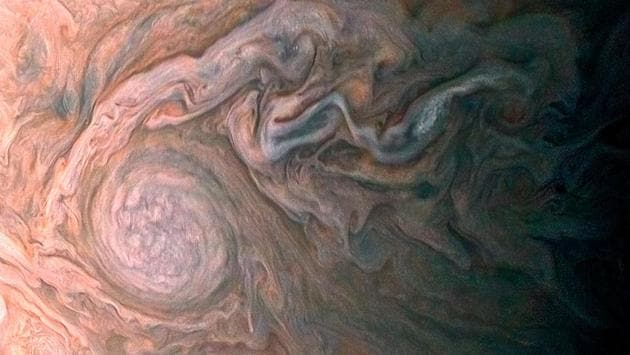
It is also the first space mission to fly as close as 2,600 miles to Jupiter’s cloud tops and is designed to take the he highest resolution images of Jupiter in history. (NASa)
10/10
 View Photos in a new improved layout
Updated on Apr 03, 2017 4:08 PM


