
 E-Paper



Turning plastic waste to oil, besieged Syrians have a game-changer technology
For residents of besieged Douma, the daily struggle to survive involves not just avoiding the violence that has ravaged the Syrian town, but labouring to obtain scarce basic commodities. Facing a shortage of fuel to run generators and machinery due to the siege, former construction worker Abu Kassem set up a makeshift refinery to extract fuel from plastic waste through a process of burning them and condensing the released gas.
Updated on: May 10, 2017 8:58 AM IST

Share via


Copy link

1/11
 View Photos in a new improved layout
Updated on May 10, 2017 8:58 AM
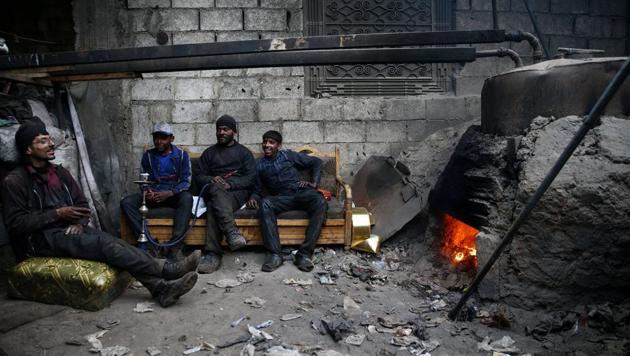
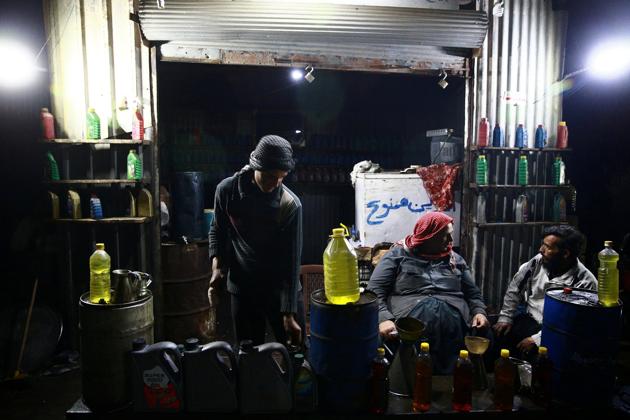
Abu Fahad (2nd R) rests with colleagues inside a workshop in the rebel-held besieged Douma neighbourhood of Damascus, Syria. The workshop uses plastic from bottles and other waste materials to produce liquid and gas fuels.The liquid is refined into gasoline, diesel and benzene fuels which are sold for domestic and commercial use. Reeling under the constant assaults by the regime and IS, they have now resorted to making their own fuel. (Bassam Khabieh / Reuters)
2/11
 View Photos in a new improved layout
Updated on May 10, 2017 8:58 AM
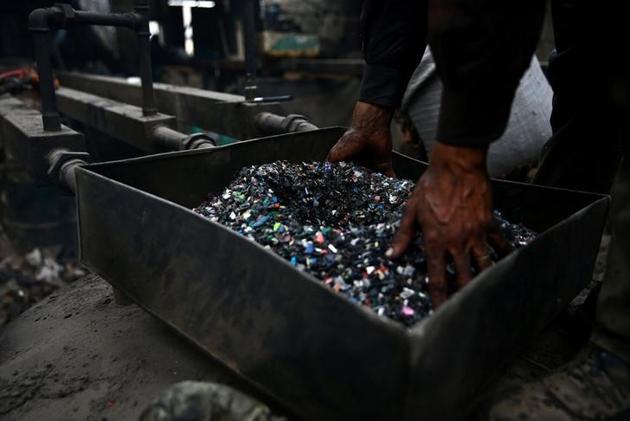
A man works on breaking -down pieces of plastic at a workshop. (Bassam Khabieh / Reuters)
3/11
 View Photos in a new improved layout
Updated on May 10, 2017 8:58 AM
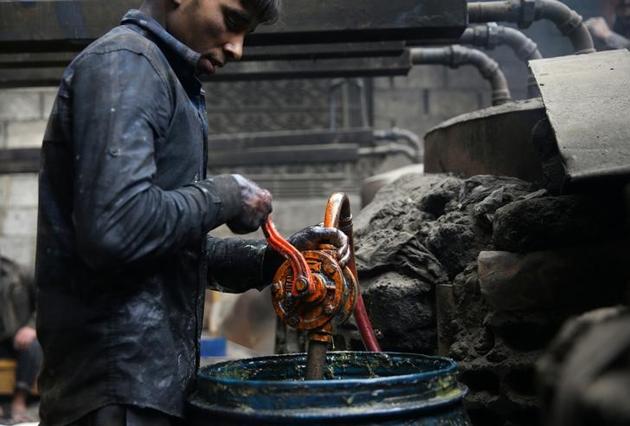
Khodor, 20, extracts fuel from plastic in a workshop .As the siege intensified, severe fuel shortages began to hamper agriculture, transport and other activities. (Bassam Khabieh / Reuters)
4/11
 View Photos in a new improved layout
Updated on May 10, 2017 8:58 AM
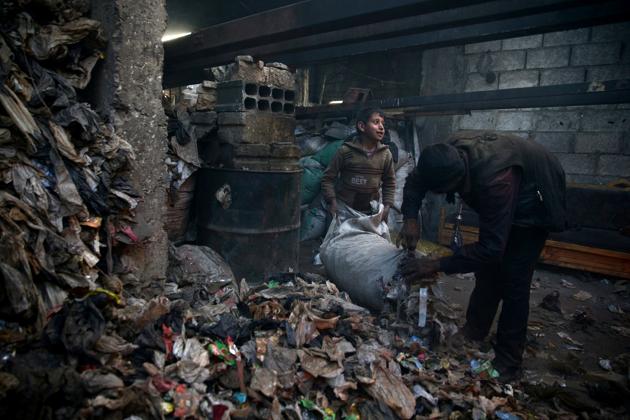
Using methods learned from instructional videos posted on the internet, the family takes plastic bottles, rubble from damaged buildings, plastic from cooking utensils, water and even sewage pipes to produce liquid and gas fuels. (Bassam Khabieh / Reuters)
5/11
 View Photos in a new improved layout
Updated on May 10, 2017 8:58 AM
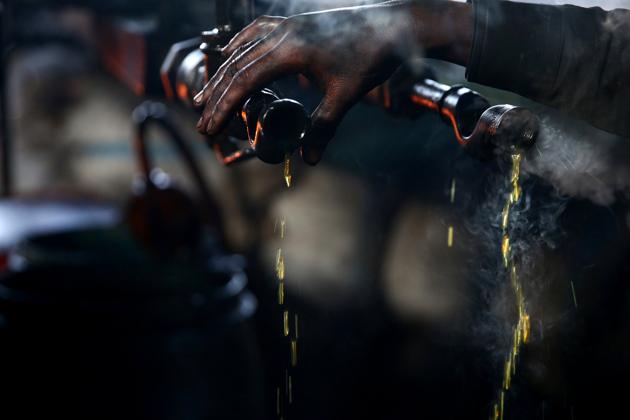
A man checks the heat of a pipe pouring with fuel, inside a workshop. The liquid is refined into gasoline, diesel and benzene fuels, and the gasses obtained are sold for domestic and commercial use in place of natural gas. (Bassam Khabieh / Reuters)
6/11
 View Photos in a new improved layout
Updated on May 10, 2017 8:58 AM
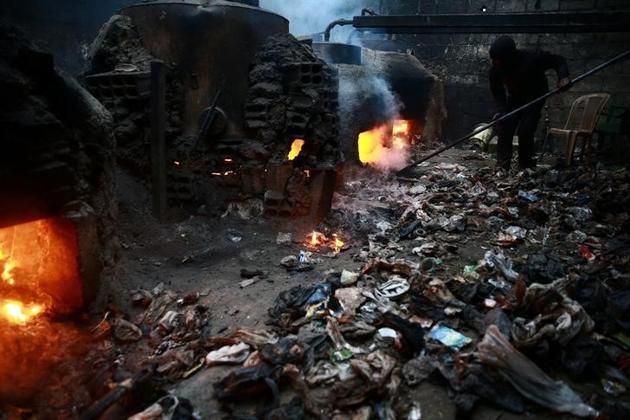
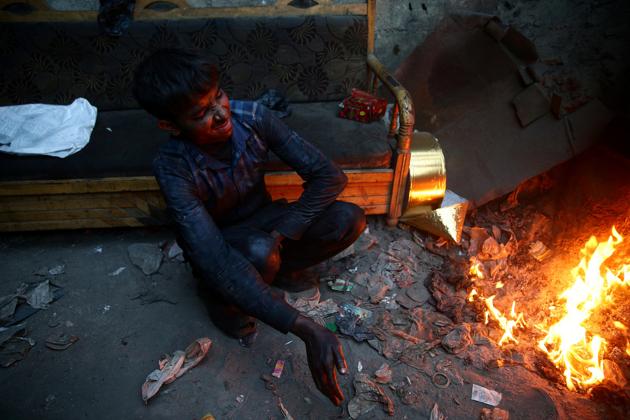
Abu Fahad works in a workshop. For those who toil in the workshop, the environment leaves much to be desired. Smoke billows from fires and generators, and the fumes from burning plastic hang ever-present in the air. (Bassam Khabieh / Reuters)
7/11
 View Photos in a new improved layout
Updated on May 10, 2017 8:58 AM
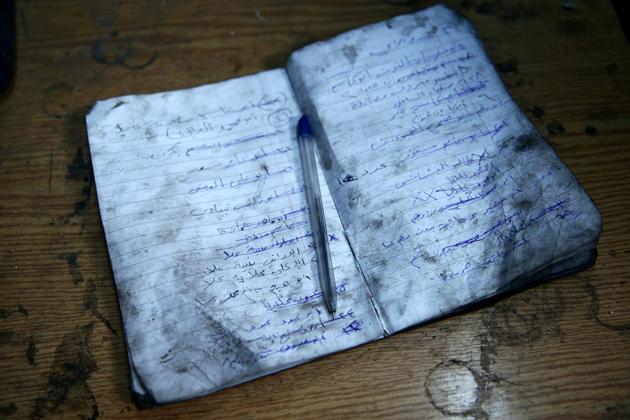
A copybook with delivery orders for fuel lies on a table . The workshop operates 15 hours a day, six days a week, and workers’ only protection against the effects of inhaling the polluted air caused by burning plastic is advice from some to drink two cups of milk a day to try to offset the effects. The efficacy of the treatment is uncertain. (Bassam Khabieh / Reuters)
8/11
 View Photos in a new improved layout
Updated on May 10, 2017 8:58 AM
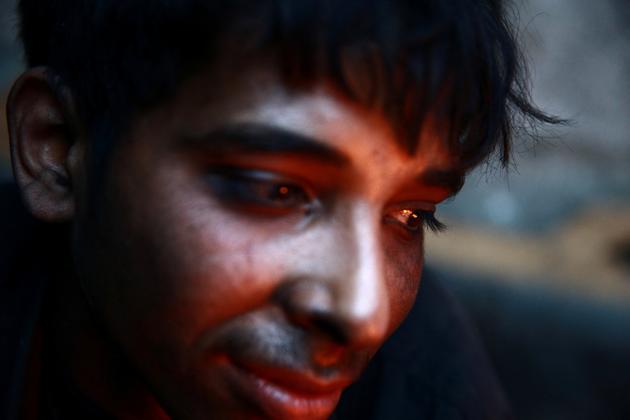
Khodor, 20, stands inside a workshop. A day’s work will see 800 kg to 1,000 kg of plastic used in the workshop, where 100 kg of plastic makes approximately 85 litres of fuel. (Bassam Khabieh / Reuters)
9/11
 View Photos in a new improved layout
Updated on May 10, 2017 8:58 AM
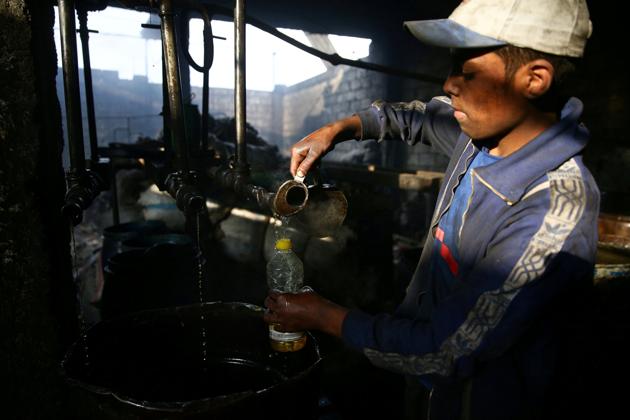
A young man inspects fuel inside a workshop . A litre of benzene fuel sells for 2,200 Syrian pound ($4.70), and a litre of diesel for 2,000 Syrian pounds. (Bassam Khabieh / Reuters)
10/11
 View Photos in a new improved layout
Updated on May 10, 2017 8:58 AM
Khodor, 20, reacts to burning plastic inside a workshop where he works. (Bassam Khabieh / Reuters)
11/11
 View Photos in a new improved layout
Updated on May 10, 2017 8:58 AM


