
 E-Paper



By the way: What you learn at a Punjabi wedding
What’s the single most important thing you gain by attending a Punjabi wedding? Perspective.


What’s the single most important thing you gain by attending a Punjabi wedding? Perspective.
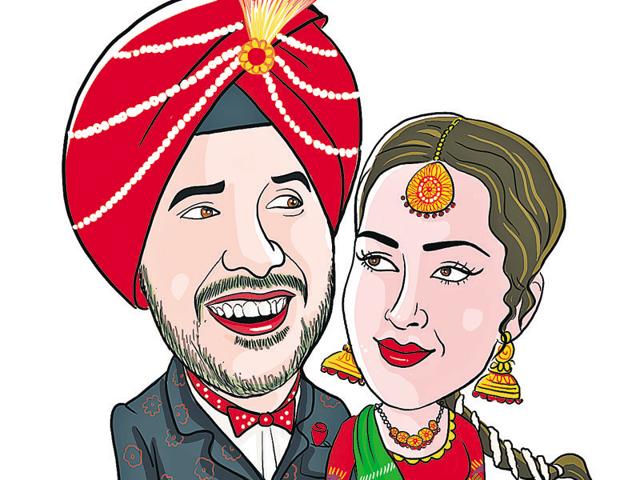
Anyway, that’s too complex to explain in an article written just after attending a Punjabi wedding. Hence, we shall do what’s done best when you can’t do any better. Judge people, and make a listicle.
[Note: If you just came out from under a rock, listicle is a word, formed by the fusion of ‘list’ and ‘article’. And shame on you for not knowing that.]
I am putting together five types of wedding attendees here that I encountered in my latest encounter. Feel free to write to me with any more you may have noticed, coined or faced.
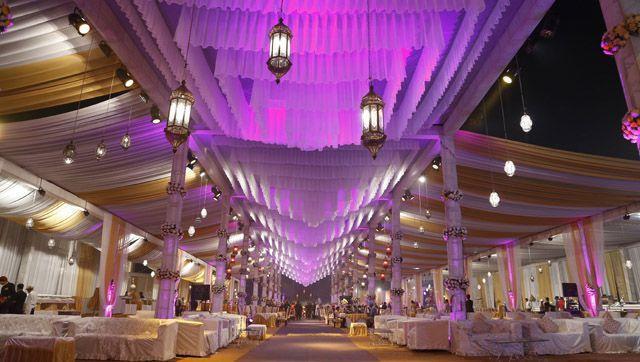
The marathoners: If they decide to drink, they drink and do nothing else. If they decide to eat, they eat until there’s no more to eat. If they start dancing, they dance until the cops arrive to impose a noise deadline. All of these people are in it right till the end, and have their life goals clear right from the beginning. Of these, I admire the first kind the most. They only need bottles of whiskey and a table. Everything else appears magically, it seems.
The sprinters: These come in small sizes and are found at funerals too. These are kids, who cannot stop running at the fastest pace possible. No matter what anyone else is doing, and whether they even get to eat, they will sprint through the whole thing while chasing others from their species or their own tails that aren’t.
The customs officials: Old aunties that know so much about our customs and culture that they cannot stop talking about it. If you happen to be in the vicinity of the groom and bride, you will understand this even more. Mind you, it is important to know which foot to put forward first when you go to the stage to bless the couple. For the groom, it is even more important to know which fingers of which hand to use when holding the dupatta of the bride. For the bride, it is important to know how much to smile and at which angle to tilt the lips while doing it. You cannot afford to be annoyed with these people, since not conforming to the customs can lead to catastrophe of the divine kind.
The snappers: These are those who possess cameras. The professional ones are the conductors of the whole physical routine of a wedding. They make the groom put his hand out for eternity as the bride takes the hand to climb the couple of stairs up to the stage. The shot is manufactured right to the positioning of the little finger. And that’s just one of the thousands of shots they take, for an album of 250 pictures. The only candid ones are those involving the guests putting a spoonful of rice into their wide open mouths. The selfie phenomenon has only added to this ilk, freezing every moment to the point of fatal hypothermia.
The karma: Some people come to the wedding, deposit the customary shagun, and leave soon thereafter. Sometimes they don’t even eat, which practically means paying for one less plate in a per-plate catering system. On your own wedding, take note of the proportion of these people in the total number of people who attend. This quantity is an indicator of all the good you’ve done. The number is usually small, though, as most of us are sinners down here. Karma, in any case, is a female dog.


