
 E-Paper



Chandigarh’s Lahore Chowk is now ‘Lucknow Chowk’: ‘Because we don’t like you, Pakistan!’
Call it the mood of the times, or maybe the aroma. A popular restaurant named ‘Lahore Chowk’ in Hotel Aroma’s Eating House in Sector 22 has been renamed ‘Lucknow Chowk’ in reaction to the recent chill in India’s relations with Pakistan. While the owner, Manmohan Singh Kohli, calls it his “inward expression” towards a neighbour “that has given us only hostility and terror in return of hospitality”, staff at the outlet cited objections and vocal protests by customers as probable trigger.


Call it the mood of the times, or maybe the aroma. A popular restaurant named ‘Lahore Chowk’ in Hotel Aroma’s Eating House in Sector 22 has been renamed ‘Lucknow Chowk’ in reaction to the recent chill in India’s relations with Pakistan. While the owner, Manmohan Singh Kohli, calls it his “inward expression” towards a neighbour “that has given us only hostility and terror in return of hospitality”, staff at the outlet cited objections and vocal protests by customers as probable trigger.
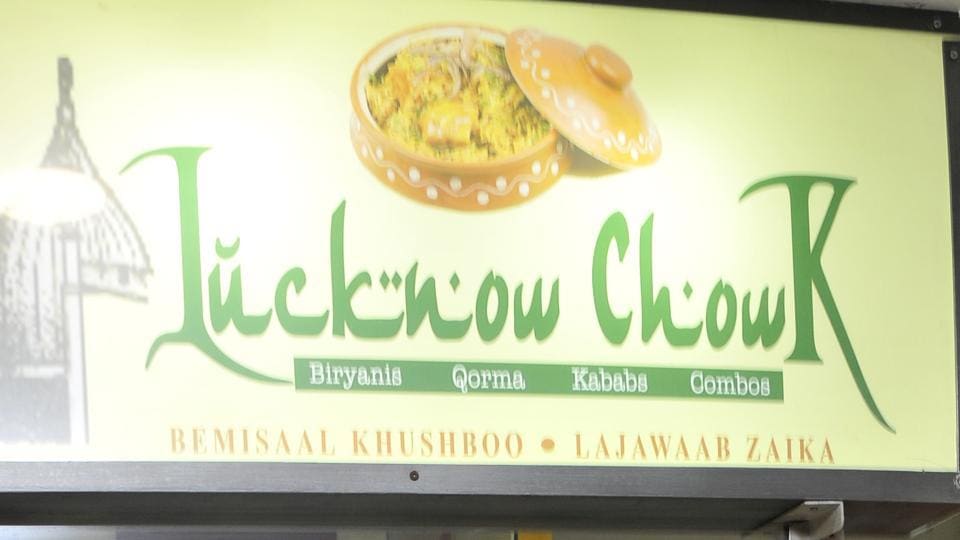
Kohli says he changed the signage of the outlet — it serves Mughlai/Punjabi food — on October 15 in response to the September 18 terror attack in Uri, J&K. Denying any violent incidents at the outlet, he said, “I was very pained. I feel strongly about this. I don’t need anyone to tell me.”
A waiter at the outlet, though, told HT: “We used to have stray incidents of people making a face about ‘Lahore’ here, though its business remained good. After the terrorist attack, too, people used to taunt the staff. Then, at least twice we had a group raise their voice and create a kind of a scene in the restaurant.” Also not wishing to be named, another service staff member explained, “The police did not have to be called as we told the customers that we’ll let the owners know the concerns. The name was eventually changed.”
There were also arguments over use of Urdu in signage of another outlet, ‘Kashmir for You’, which Kohli acknowledges. “We told the customers that Urdu is our own language, and managed to calm them.”
Kohli criticised India’s ‘civil society’ as “moron society”, arguing against “too much softness”. He said, “Look at how our Prime Minister took a risk and went all the way to wish their PM Nawaz Sharif on his birthday. And at what they did in return! By small gestures on our own, we can at least say to Pakistan, ‘Sorry, yaar, we don’t like you.’”
He underlined that his parents too had migrated from Pinanwal (now Pakistan). “They would have loved to have a restaurant named ‘Pindi’ after their native place. In fact, when the India-Pakistan cricket match happened some years ago, we arranged prayer mats and skull caps for visitors from across the border, and even had a Mercedes drop some of them to the mosque. But nothing is more important than nationalism and patriotism.”
He stressed the sales have not seen any change: “It’s the same food that we are selling... My Lucknow is no less.”


