
 E-Paper



Swachh Bharat Mission: Waste segregation project fails to take off in Jalandhar
The health and sanitation department is now awaiting the next house meeting to get clearance from the House and further send the proposal to the local bodies department.


It was over 10 months ago that the municipal corporation (MC) launched the waste segregation project, but it has failed to implement it as not even a single ward has been covered under the project so far.
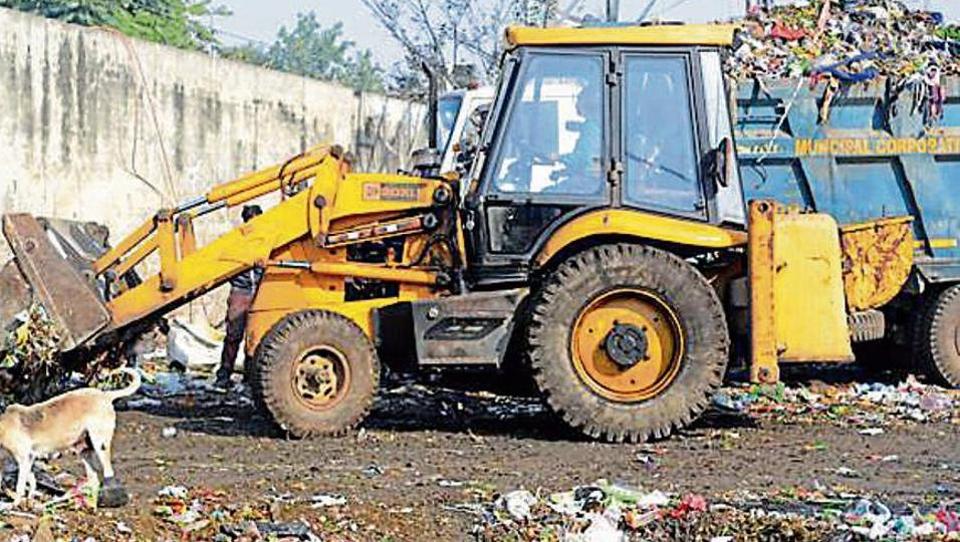
The project was started on April 23 from the Model Town area here and only a few colonies of the have been practising the waste segregation. Out of a total 80 wards, 79 wards are not adhering to this practice. So, the lack of the people’s will in adopting the segregation of biodegradable and non-biodegradable waste is considered to be the reason behind the project’s failure in the city.
“Despite a campaign to make people aware of the importance of waste segregation in different wards of the city, the people are not willing to contribute to the cleanliness mission. It is easy to blame the government for all failures but city residents are equally responsible for the same,” said senior health officer Dr Shri Kishan Sharma.
As per the detailed project report (DPR) prepared by the MC in the last week of September about the estimate of the number of dustbins required in every household of the city, it was found that there are around 2 lakh households in the city and the average cost of each dustbin was Rs 70, whereas the total cost of the project was estimated to be Rs 2.8 crore.
The MC had then planned to provide two dustbins for keeping biodegradable and non-biodegradable waste to every household. However, the proposal could not get the clearance from the MC House as no house meeting has been conducted in the civic body since then.
The health and sanitation department is now awaiting the next house meeting to get clearance from the House and further send the proposal to the local bodies department.
What is segregation?
It refers to the separation of wet and dry waste. While wet waste consists of leftover food, vegetable peels that can be put in the compost pit. The compost, in turn, can be used in the kitchen garden as manure and the dry waste refers to metal, glass, paper, aluminous foil, plastic and cans.


