
 E-Paper



This Punjabi song via UK goes into ‘forbidden’ territory — Homosexuality
The video of ‘Bapu sada kehnda’ (Father dear says) – a debut by No1Knows Productions, a record label and production company based out of the US and UK begins with a reporter talking about how a billionaire’s son is getting married. And how he calls him out on being gay


The setting is nothing new for a bhangra pop song: A big, fat Punjabi wedding, that too in the UK. But this music video goes where Punjabi pop has never gone before. It talks about homosexuality as a reality.
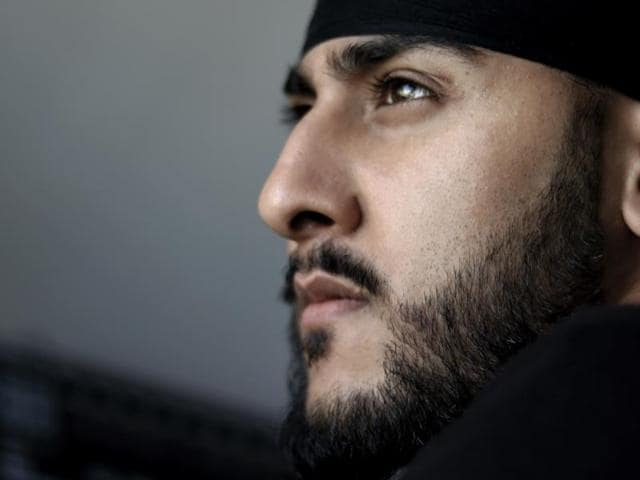
The video of ‘Bapu sada kehnda’ (Father dear says) – a debut by No1Knows Productions, a record label and production company based out of the US and UK – begins with a reporter talking about how a billionaire’s son is getting married. Next, we have the billionaire, apparently not invited, gate-crashing the wedding. He heads straight to the stage and sings verses such as ‘Karo munda labhan di tyaar, mareeka vich law aa gya’ (Find a groom for our boy, now that America even has a law (for gay marriage); and ‘Munda vi threading karave, kudiyan di gal chhad deo (Leave aside girls, even our boy gets threading done)!
The video was uploaded on YouTube from two accounts around two weeks ago and has so far garnered over 10,000 views in all.
In it, the groom’s boyfriend is also shown, getting the wedding card and finding out that he is marrying a woman. He proceeds to crash the wedding too and confronts him on stage. There are no dialogues, as the song keeps playing in the background. The bride even clicks a selfie with the two men arguing!
“The bapu (father) is a typical Punjabi man, who is incensed that his son is gay and did not tell him,” explains Aman100, aka Amanbir Singh Sangha, the producer who also features in the video and has co-written the lyrics. Sangha, 24, a second-generation British-Punjabi whose father migrated from Hoshiarpur, says there was no “big idea” behind putting the social cause in the video. “The idea is entertainment and being different. But we could put this in the video only because now people at least talk about it. We would have been thrashed if we did it two decades ago.”
Having tasted viral success with his humorous videos about the Punjabi-expat experience on Snapchat and Vine among other social networks, Aman says the song – sung by Sabby Singh – only underlines the issue. Even the father is not shown as a liberal man accepting his son’s alterative sexuality. “This happens. Men in Punjabi community marry women even if they are gay as there is a stigma attached to homosexuality. That’s all we have shown.”
Is it inspired from a particular story? “No, no! A bapu doing this hasn’t actually happened in my knowledge.”
Will they now focus on other social issues? “We are musicians first. But we do not want to do the typical ‘Jatt, jameen, asla’ songs. We will address issues, such as drugs and domestic violence, but in a real way, not forced onto the video and our creativity.”
Also read | Ginni Mahi: The new voice of ‘Chamar pop’, Dalit assertion via Punjabi music


