
 E-Paper



Maharashtra tops list of green real estate projects, Uttar Pradesh bags second position
Maharashtra also leads in terms of the highest average size of green-certified real estate assets at around 0.37 mn sq ft followed by Telangana at 0.36 mn sq ft

 Prefer HTon Google


Maharashtra topped the list of green real estate projects (1094 projects) across the country on account of its policy of allowing incentives for sustainable buildings. Uttar Pradesh took the second spot with 643 projects and Gujarat came third with 590 projects. Maharashtra and Telangana led in terms of total million sq ft of space, according to a report by Savills India.
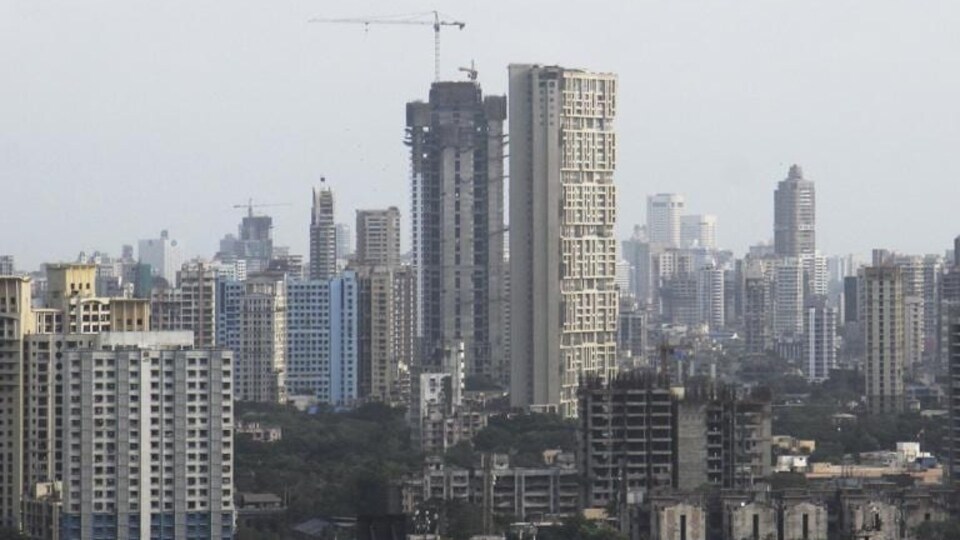
Savills India’s report on Sustainable Real Estate: Strategies and Practices said that there are more than 7000 IGBC-green certified projects across the top 15 states and union territories.
In terms of the total number of green projects, Telangana is ranked fourth with 519 projects, Karnataka with 501 projects is ranked fifth, Tamil Nadu takes the sixth place with 495 green projects and Haryana is ranked seventh with 450 projects. Delhi is ranked 14th with 242 green projects, the report showed.
Maharashtra and Telangana form the top ranked size cluster where the average projects are 0.36 – 0.37 mn sq. ft. whereas Karnataka, Gujarat, and Tamil Nadu can be grouped into the second cluster where the projects are in the range of 0.25 - 0.27 mn sq. ft. Uttar Pradesh and Delhi form the third cluster, characterized by project size to the tune of 0.18 mn sq. ft. West Bengal and Haryana constitute the fourth cluster, with project sizes between 0.12-0.14, the report said.
The report outlines critical strategies and innovative approaches that are setting new standards for sustainable real estate development in India, amidst the nation’s ambitious goal of achieving net-zero emissions by 2070.
Green incentives offered by Maharashtra
According to Savills India and IGBC Research, Maharashtra's leadership in green projects stems from the progressive policies and efforts of the government. The state government has been supportive of green initiatives, offering various incentives, such as additional FAR of 3%, 5% and 7% for green buildings rated by IGBC as silver, gold and platinum, respectively.
IGBC Incentive on Integrated Townships - UDCPR Maharashtra as per updated UDCPR 2020, has mandated that the buildings in Integrated Township Project have at least a silver rating from IGBC.
Uttar Pradesh, with its rapid urbanization, has also implemented policies that incentivize green building through various incentives like reimbursement of 50% of IGBC Certification fee, with a maximum limit of ₹10 lakh, to hotel/wellness resorts obtaining green rating from IGBC. The government also offers 10% FAR for projects which are pre-certified/ provisionally certified as gold or above by IGBC, it said.
Similarly, Gujarat offers an incentive for green building initiatives by reimbursing up to ₹3 lakh or 50% of the IGBC certification fee, whichever is lower. This financial support significantly encourages the adoption of sustainable building practices, positioning Gujarat as a leader in environmentally responsible development, according to IGBC and Savills India Research.
Also Read: CREDAI pledges 1,000 green buildings by 2025
These incentives play a crucial role in driving the adoption of green building practices, helping these states lead the way in sustainable development, it said.
As one of the major contributors to greenhouse gas emissions, the real estate sector is undergoing a significant transformation in India. The report emphasizes the urgent need to integrate sustainable materials and energy-efficient technologies at every stage of development to effectively combat climate change.
As India strides toward its climate objectives, companies across sectors are increasingly adopting sustainable practices. The real estate industry, a significant contributor to greenhouse gas emissions, is embracing these changes, ensuring that both corporate and asset-level initiatives align with the nation’s climate ambitions. This collective effort is driving progress towards a resilient and environmentally sustainable future.
Increase in the number of green-certified buildings
Green-certified buildings are at the forefront of this transformation, setting new standards in the use of sustainable materials, energy-efficient technologies, and water conservation practices. These buildings contribute significantly to reducing the carbon footprint and advancing the United Nations' Sustainable Development Goals (SDGs). India has seen a substantial increase in green building certifications, with over 7,000 IGBC-certified (The Indian Green Building Council) projects covering an estimated 1,370 million sq. ft. of built-up area, the report said.
Green leases gain momentum
The concept of green leases is gaining momentum in India, with landlords and tenants collaboratively setting sustainability-linked targets. The report identifies four key pillars for achieving sustainability goals in commercial real estate: shared responsibility, data sharing, financial incentives, and behavioural change, the report showed.
"Aligned with the government’s vision to achieve its net-zero goals, the real estate sector plays a pivotal role in driving sustainability. Our report outlines actionable strategies and innovative approaches that can help industry leaders foster a more sustainable future. By adopting these strategies and leveraging green technologies, we can build an environment that is both eco-friendly and economically resilient. The report offers valuable insights for industry stakeholders, policymakers and investors, paving the way for a greener and more sustainable future for India's real estate landscape,” said Anurag Mathur, chief executive officer, Savills India.


