Gurugram: The Reserve Bank of India’s decision to raise the repo rate by 25 basis points to 5.50% is unlikely to derail housing demand in the National Capital Region, with developers expecting the festive season to remain steady on the back of steady end-user demand, improving infrastructure and resilient economic fundamentals.
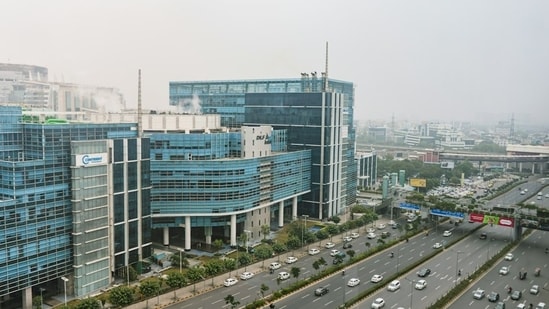
In NCR, the impact is also expected to vary by segment and location. Premium and luxury housing, particularly in Gurugram, is likely to remain relatively insulated from a marginal rise in equated monthly instalments (EMIs), say experts.
The 25-basis-point increase, from 5.25%, is the first repo rate hike since February 2023. While the move is expected to marginally increase borrowing costs for homebuyers with floating-rate loans, developers said the impact on affordability is likely to remain limited, particularly for buyers with stable incomes and adequate purchasing capacity.
The timing of the increase comes as the residential market enters the traditionally strong festive sales period covering Navratri, Dussehra and Diwali. Developers said the underlying factors driving housing demand — urbanisation, rising incomes, improved connectivity and a growing preference for quality homes — remain largely unchanged.
In NCR, the impact is also expected to vary by segment and location. Premium and luxury housing, particularly in Gurugram, is likely to remain relatively insulated from a marginal rise in equated monthly instalments (EMIs), while affordability and connectivity continue to drive demand in emerging markets such as Noida and Ghaziabad.
{{/usCountry}}In NCR, the impact is also expected to vary by segment and location. Premium and luxury housing, particularly in Gurugram, is likely to remain relatively insulated from a marginal rise in equated monthly instalments (EMIs), while affordability and connectivity continue to drive demand in emerging markets such as Noida and Ghaziabad.
{{/usCountry}}“The 25 bps repo rate hike is a calibrated move, and we expect its impact on real estate to remain contained,” said Rishabh Periwal, senior vice-president, Pioneer Urban Land and Infrastructure Ltd. In Gurugram, he said, affluent buyers and senior professionals in the luxury segment continue to prioritise “space, design, and lifestyle over marginal changes in EMIs”.
Periwal said the commercial market was also showing resilience, with demand from global capability centres (GCCs) and continued appetite for premium workspaces along key corridors. “Backed by robust infrastructure and connectivity, Gurugram remains one of the most dynamic markets in the country,” he said.
The relatively modest increase in borrowing costs is also unlikely to significantly change purchase decisions in the more affordable NCR markets, developers said. Noida and Ghaziabad have benefited from expanding metro networks, expressway connectivity and improving social infrastructure, making them increasingly attractive to both end-users and investors.
“The 25 bps repo rate hike is a measured step, and we expect its impact on residential real estate to be limited,” said Varun Garg, director, Karyan Group. He said buyers in these markets were being drawn by affordability, larger homes and long-term appreciation potential, adding that “a marginal rise in EMIs is unlikely to change the intent”.
NCR infrastructure growth may help sustain housing demand
Gurugram, meanwhile, continues to see demand across established and emerging residential corridors, including Golf Course Road, Golf Course Extension Road, Dwarka Expressway, Southern Peripheral Road, New Gurugram and Sohna Road. Developers said major infrastructure projects and improved regional connectivity have strengthened the long-term residential proposition of these locations.
The Delhi-Gurugram-Jaipur Expressway, Dwarka Expressway, Sohna Elevated Road and proximity to IGI Airport are among the infrastructure factors supporting demand. The proposed Namo Bharat connectivity and the Delhi-Mumbai Industrial Corridor are also expected to strengthen the investment and liveability prospects of several NCR corridors over the longer term.
In Gurugram, demand is also being supported by segments such as plotted development, where buyers are increasingly looking for flexibility and long-term value.
“The rate hike will unlikely derail real estate demand, particularly in Gurugram, where growth is backed by strong infrastructure, corporate presence, and end-user confidence,” said Rajan Yadav, director, Roots Developers. He said plotted developments continued to attract buyers seeking “long-term value and flexibility”, while premium projects were seeing sustained interest from affluent homebuyers less sensitive to marginal EMI changes.
However, developers acknowledged that the increase would have some impact on borrowers, particularly those servicing floating-rate home loans. The extent of the impact would depend on the prevailing lending rate, loan size and tenure.
“The real estate industry is expected to be somewhat impacted by the RBI's 25 basis point increase in repo rates, which raised the policy rate to 5.50%,” said Yashank Wason, managing director, Royal Green Realty. For buyers with steady incomes and longer investment horizons, however, he said the increase should remain manageable.
“For real estate, predictability in financing costs remains significant as home purchases are long-term commitments and buyer preferences continue to evolve,” said Rajjath Goel, managing director, MRG Group.
The festive period is also expected to see developers continue with customer-focused schemes, flexible payment plans and other incentives as they compete for buyers. Such offers could partly offset the marginal increase in financing costs and help maintain sales momentum.
Uddhav Poddar, CMD, Bhumika Group, said the policy decision came at a time when housing demand remained resilient and borrowing costs continued to influence purchase decisions. “Greater stability in borrowing costs would provide added certainty to homebuyers and developers,” he said, adding that premium housing in NCR continued to see healthy demand even as property prices recorded strong growth.