
 E-Paper



Argentina’s 1978 World Cup triumph: Mario Kempes, the Videla regime and football’s darkest celebration
By the time the 1978 FIFA World Cup even began, thousands of Argentine citizens accused of opposing the military dictatorship had disappeared.

 Prefer HTon Google


The image of Mario Kempes with his long hair flying in Buenos Aires during the final against Netherlands remains one of the defining pictures of the 1978 FIFA World Cup. Kempes scored a brace in a 3-1 victory at the Estadio Monumental as Argentina defeated Netherlands after extra time in a dramatic final. For many, the World Cup is part of their football folklore, but for others, nearly five decades later, the victory also carries an uncomfortable shadow. Argentina's first World Cup title arrived during one of the darkest periods in the country's history.
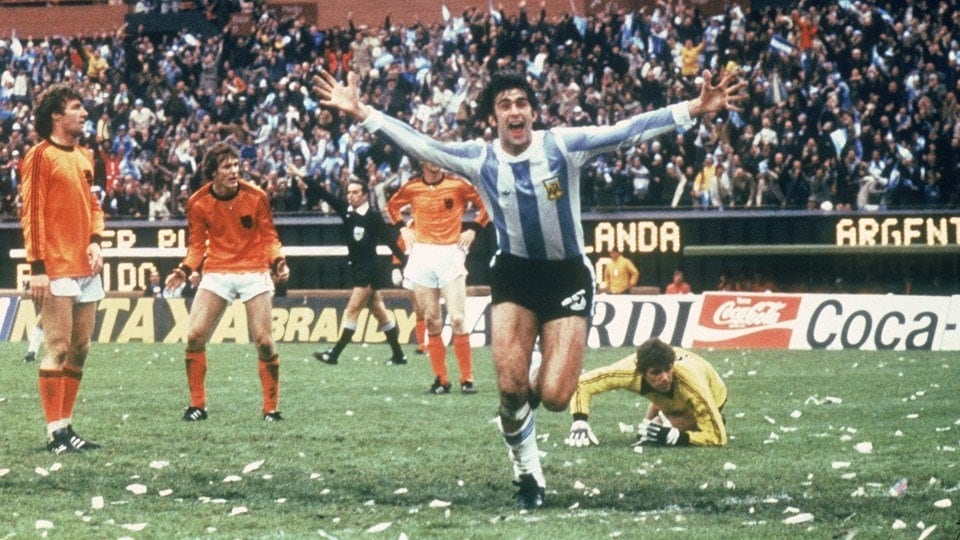
The tournament was treated as propaganda as the country, which was also the host, was under the control of a brutal military dictatorship led by Jorge Rafael Videla, whose regime seized power in 1976. By the time the World Cup even began, thousands of people accused of opposing the military dictatorship had disappeared, and many were never seen again. According to Human Rights groups, the missing victims were around 30,000. Although the country was celebrating its World Cup title, fear quietly accompanied the jubilation.
Military dictatorship, purge of citizens
The junta knew the power of sport. Hosting the World Cup in Argentina gave them a global stage and also helped them improve their international image. Stadiums were renovated, television cameras focused on cheering crowds and ignored the political terror.
What makes it worse is that the Estadio Monumental was only a short distance from the ESMA naval school, one of the authority's most notorious detention and torture centres. While fans sang and waved flags inside the stadium, prisoners were reportedly tortured nearby.
Argentine team coached by Cesar Luis Menotti
Just focusing on the junta and their propaganda takes attention away from the brilliant Argentine team, coached by Cesar Luis Menotti, a chain-smoking idealist who believed football should be expressive. Kempes was the star of this side, finishing as the top scorer with six goals. Meanwhile, Daniel Passarella gave leadership in defence, and goalkeeper Ubaldo Fillol became a national hero.
The final between Argentina and Netherlands also had controversy. The Dutch came without Johan Cruff, who decided not to travel. According to reports, Cruff made the decision as a protest against the dictatorship. Later, he claimed that a kidnapping attempt on his family led to the decision.
The final was chaotic and emotional as Kempes opened the scoring before Dick Nanninga equalised for the visitors. In extra time, Kempes (his second of the night) and Ricardo Bertoni scored to lead the hosts to a famous win.
The celebrations after full time exploded in Buenos Aires, filled with emotions as fans took to the streets. For Argentine citizens, football offered a temporary escape.
Controversial Peru game
But Argentina's victorious campaign wasn't just filled with off-pitch controversies. Their 6-0 win over Peru remains one of football's biggest mysteries. The hosts needed a four-goal win to get to the final and achieved it with ease. Allegations of political pressure and backroom influence have followed that match for decades, although nothing has been proven yet.


