
 E-Paper



Born in refugee camp, Nestory Irankunda becomes global superstar after becoming Australia’s youngest World Cup scorer
Burundian by origin. Born in a Tanzanian refugee camp. Then move to Australia and the World Cup goal. A story for the ages, by all means.

 Prefer HTon Google


Nestory Irankunda’s football journey is nothing short of a dream. He scored Australia’s opener in the 2026 FIFA World Cup against Turkiye on Sunday [India time] to become a global superstar. But it wasn’t an overnight success. First, he had to leave his country of birth, Tanzania, and later Bayern Munich to be where he is today. He is actually Burundian, born in a refugee camp in Tanzania. His parents had to flee Burundi on account of a civil war there in the noughties. In 2006, Irankunda was born.
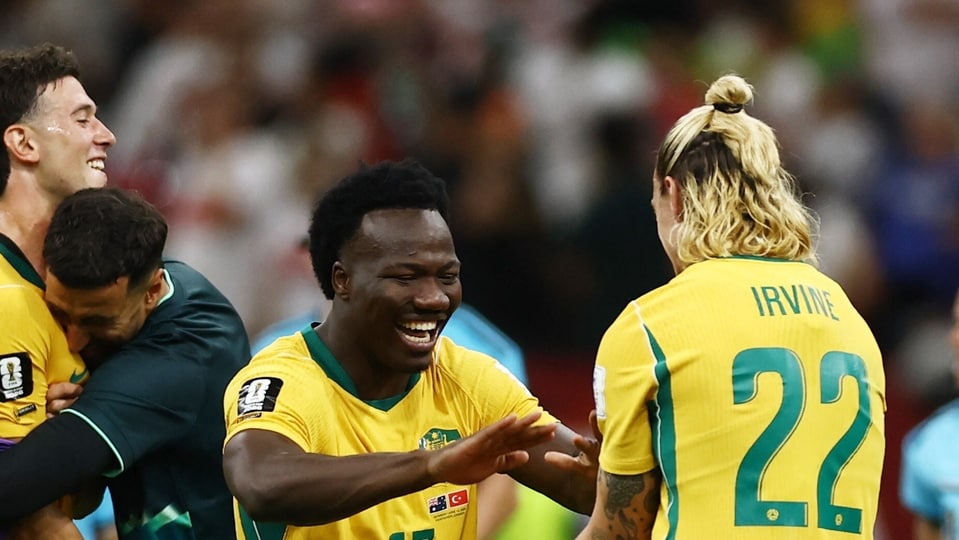
Irankunda, still a child, then moved to Australia with his family, where he found his love for football. At Adelaide United in the A-League, he made his name. He had shown so much potential there that German giants Bayern Munich took him on board in 2024. However, the move didn’t turn out to be as he had expected. He represented their second team for more than a dozen games, but as far as the senior side was concerned, he never got any chance to play for them. He never took the field for them, and he started getting worried that if he had to represent Australia in the 2026 FIFA World Cup, he had to find a club where he got opportunities to show his talent. Watford, in the second tier of English football, afforded him that chance.
Also Read: Morocco disaster is a wake-up call for Brazil: Without Neymar, the Selecao look hopeless
The 20-year-old winger became a fixture for them and has featured in 40 games since his move there in 2025. "It was a hard decision, but obviously my biggest goal for me is to play at the World Cup," Irankunda told Sky Sports last summer.
A decisive call in his footballing journey!
"The 2026 World Cup is around the corner, and I have to play minutes. I wasn't playing minutes. It has always been a dream of mine to play in England," he added. His Aussie team-mate Mohamed Toure calls him Houdini, and there can’t be a greater compliment for a young footballer. “I've seen a lot of good players, but sometimes you have a special talent, and he's that. If he puts in the work and stays grounded I think he'll go beyond the potential many people already say he has. He'll surpass that," he said.
After what Irankunda did in the 27th minute of the game on Sunday, Toure’s observations appear to be spot on. Irankunda, on left, collected a long pass from Paul Okon-Engstler and beautifully got into the box before finishing it past the goalkeeper. With that, he became the youngest Aussie to score a World Cup goal — at the age of 20 years and 125 days.
Isn’t it a story for the ages?


