
 E-Paper



Kylian Mbappe played on with a torn knee after Real Madrid's MRI blunder missed the real damage in December
Real Madrid initially scanned the wrong knee of Kylian Mbappe, leading to a delayed diagnosis of his injury.

 Prefer HTon Google


Kylian Mbappe’s December knee injury is back in focus after The Athletic reported that Real Madrid’s medical staff initially performed an MRI on the wrong leg, delaying the correct diagnosis and allowing the France captain to keep playing through the problem.
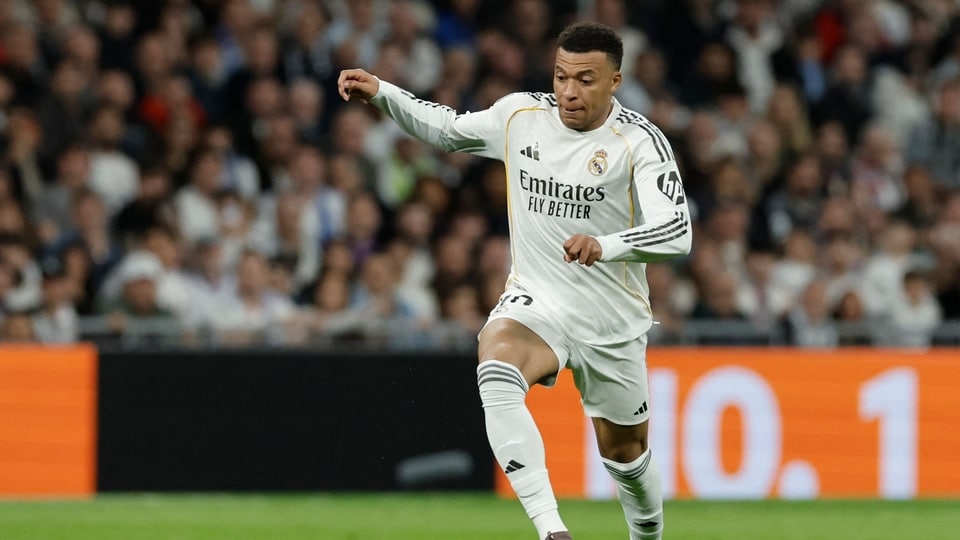
The report said Mbappe’s injured left knee was not properly assessed at first because the scan was carried out on his uninjured right knee. With no issue detected in that initial test, the 27-year-old featured in three more matches before the mistake was realised. A later scan on the left knee revealed a partial posterior knee ligament tear, although Madrid’s medical update on December 31 described the problem in broader terms as a knee sprain.
The issue first emerged after Mbappe took a blow to the knee in Real Madrid’s 2-0 La Liga defeat to Celta Vigo on December 7. He was then an unused substitute in the Champions League game against Manchester City on December 10, but still played the full 90 minutes in Madrid’s final three matches of 2025. That is the stretch where Mbappe equalled Cristiano Ronaldo’s club record of 59 goals in a calendar year.
How Mbappe’s recovery unfolded after the December diagnosis
When Kylian Mbappe returned to training after the Christmas break on December 30, he was seen touching his left knee while speaking with medical staff. A day later, Madrid confirmed that he had suffered a knee sprain and said a conservative recovery plan would be followed. He did not travel for the Spanish Super Cup semi-final against Atletico Madrid in Saudi Arabia, although he later joined the squad for the final against Barcelona and came off the bench in the 3-2 defeat.
Mbappe’s recovery then became a managed, uneven process rather than a straightforward layoff. He played in eight of Real Madrid’s next 10 matches and scored nine goals during that spell, with the club closely monitoring his workload. Before a home league game against Getafe earlier this month, coach Alvaro Arbeloa said, “We’re taking it day by day. It depends on how he’s feeling. We want him back at 100 per cent.”
As the discomfort persisted, Mbappe travelled to Paris for further tests and treatment, accompanied by Madrid medical staff. He has since returned from the bench in the Champions League win away to Manchester City and the derby victory over Atletico Madrid before joining up with France for friendlies against Brazil and Colombia in the United States.


