
 E-Paper



Manchester United moves closer to building UK's biggest stadium after securing key land near Old Trafford site area
Manchester United secures land for new 100,000-seater stadium near Old Trafford, marking a milestone in their redevelopment project.

 Prefer HTon Google


Manchester United have taken a major step towards building their proposed 100,000-seater stadium after securing the majority of the land required for the project near Old Trafford.
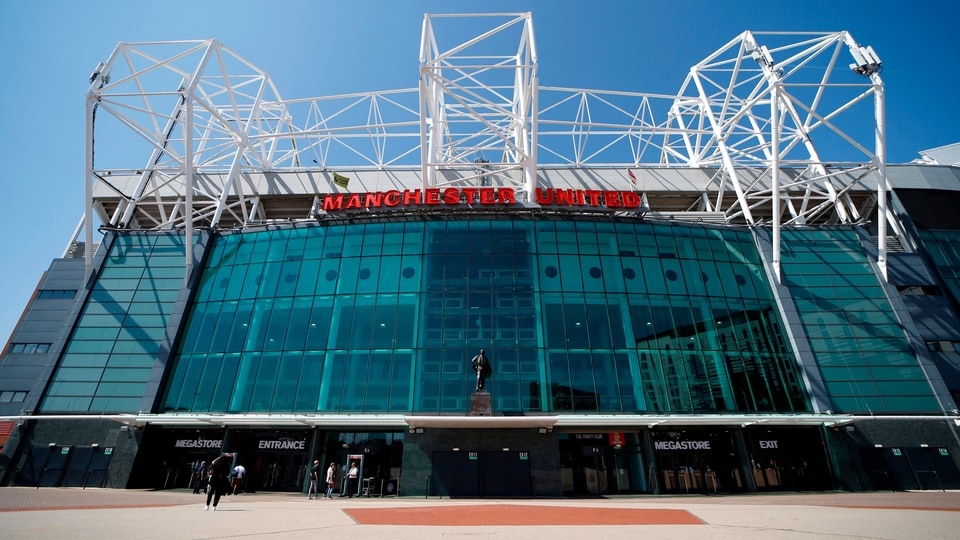
The club have acquired a 25-acre site around 350 metres away from their current home, clearing one of the biggest early hurdles in their plan to build what would become the largest football stadium in the United Kingdom. The new stadium, referred to in project documents as “New Trafford”, is expected to have a capacity of 100,000 and would surpass Wembley Stadium’s 90,000 capacity to become the biggest ground in England.
The land secured by United is located between Europa Way, Wharfside Way and John Gilbert Way. The acquisition also means the club may be able to avoid a potentially complicated delay involving land owned by Freightliner, which had previously been seen as a possible obstacle to the stadium project. While United have not yet secured every piece of land required for the full development, the club are reportedly confident that the remaining acquisitions will not become a major problem.
Manchester United move closer to New Trafford dream
The proposed stadium is expected to take around five years to build, with United planning to continue playing at Old Trafford during construction. The club’s current home has a capacity of 74,879, but the new ground would represent a dramatic expansion, both in size and ambition.
The project is not limited to the stadium alone. Manchester United’s new home is part of a wider 370-acre Old Trafford regeneration plan, which is expected to include around 15,000 new homes, including affordable housing. The broader development is also projected to create 48,000 jobs locally and more than 90,000 nationally, while adding over £7 billion per year to the UK economy.
The club confirmed the land deal through an official statement, saying the site had been acquired from Indurent, a leading industrial space provider and a Blackstone portfolio company. United have been working with Trafford Council and the Old Trafford Regeneration Mayoral Development Corporation to ensure the stadium plans fit into the wider redevelopment of the area.
Collette Roche, CEO of Manchester United’s New Stadium Development, said in the club statement that the land acquisition was an important step towards creating a “world-class new home” for the club. She added that building close to Old Trafford would allow United to preserve their heritage and fan traditions, while also giving the club the chance to create a stadium “with our supporters, not just for them.”
Roche further said that securing the right land was critical to the project and that the acquired site gives United the platform to build a stadium that “honours our past and is ready for our future.”
Also Read: Germany defender Nico Schlotterbeck out for the rest of FIFA World Cup with ankle injury
The design of the proposed stadium is also expected to be striking. The ground will have an umbrella-style structure, intended to help with solar energy and rainwater harvesting. The design is also set to include three large masts, which could make the stadium visible from around 40 kilometres away. United believe that, on a clear day, the structure may even be visible from the outskirts of Liverpool.
The next major step in the process will come on July 9, when further details of the Old Trafford regeneration master plan and the formal consultation period are expected to be released. Planning, funding and final land arrangements still need to be resolved, meaning the project is not yet at the point of construction.
However, the acquisition of the main land parcel is a significant breakthrough. For Manchester United, it moves the idea of a 100,000-seater New Trafford from a long-term vision to a more concrete development plan.


