
 E-Paper



‘Xavi is right’: Former Barcelona sporting director supports claims of Lionel Messi's return getting blocked by Laporta
The endorsement from Alemany, a former sporting director of Barce, bolsters Xavi's claims about Messi's potential return to Barcelona in 2023.

 Prefer HTon Google


Mateu Alemany’s public support has given Xavi Hernández’s Lionel Messi claim a fresh edge, because it is no longer just a former coach reopening an old wound. It is now a second senior Barcelona insider backing the idea that Messi’s return in 2023 was considered possible from within the club before it ultimately fell apart. That is what makes this development significant. In a saga shaped by emotion, politics and competing versions of the truth, Alemany has added something far more valuable than noise: credibility.
Why Alemany’s backing changes the story
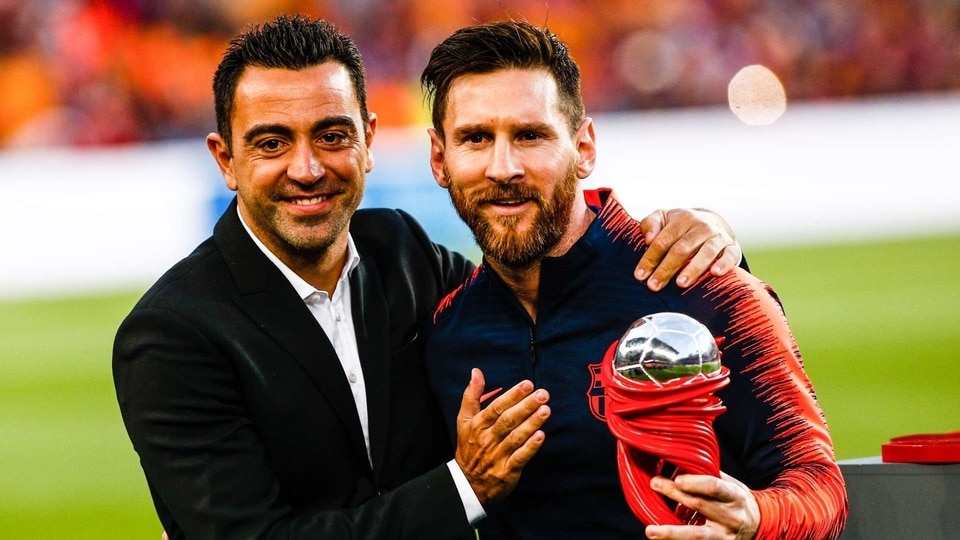
When Xavi first spoke, the force of his remarks came from his directness. He accused Barcelona president Joan Laporta of misleading the public over Messi’s failed comeback and said the move had advanced far beyond mere fantasy. Xavi’s most striking line was blunt: “The president is lying about what happened with Lionel Messi.” He also claimed, “The president negotiated the contract with Leo’s dad, and we had the green light from LaLiga financially, but it’s the president who pulled out.” Those were not the words of someone describing a vague dream. They were the words of someone insisting that the return was alive and then deliberately stopped.
On their own, those comments were always going to be dismissed in some quarters as bitterness from a former manager whose relationship with Laporta had deteriorated. That is why Alemany’s intervention matters so much. As Barcelona’s former sporting director, he was not an outsider commenting from a distance. He was part of the club’s executive structure during that period, and his account carries the weight of someone who was close to the process. His support was short, but powerful. “Xavi Hernández is right,” Alemany said, before adding: “They told us they had LaLiga’s approval for Leo Messi to return to Barça.”
That last part is crucial because it strengthens the most contested element of Xavi’s story. The argument has never been only about whether Messi wanted to return. It has been about whether Barcelona could actually make the move happen under financial and regulatory restrictions. Laporta’s broader position has been that Messi eventually chose Inter Miami, while LaLiga president Javier Tebas has pushed back against the idea that league approval was granted as Xavi described. Alemany does not settle the dispute conclusively, but he does reinforce the suggestion that, inside Barça, there was genuine belief that the path had opened.
That changes the tone of the debate. This is no longer just Xavi’s word against Laporta’s. It is now a split account from influential people who were part of the same club structure at the same time. In practical terms, Alemany has made it harder to dismiss Xavi. He has turned the controversy from a dramatic accusation into a claim corroborated by another credible insider.
And that is why this story still stings for Barcelona. Messi’s departure in 2021 remains one of the defining traumas of the club. The idea that a return was possible two years later, only to be blocked not by fate but by internal choice, is a far more damaging narrative. Alemany has not provided a smoking gun, but he has done something nearly as important in a club built on image as much as results: he has lent public substance to Xavi’s version of events.


