
 E-Paper



Lionel Messi's homecoming to Barcelona was blocked by the club president: ‘If he came back, he would make war’
Xavi's explosive remarks claim that Messi's return to Barcelona was sabotaged by president Laporta, despite financial approval.

 Prefer HTon Google


Xavi has publicly accused Barcelona president Joan Laporta of lying over Lionel Messi’s failed return to the club in 2023, reopening one of the most emotionally loaded transfer sagas in modern football. In a set of explosive remarks, the former Barcelona coach claimed Messi had effectively agreed to return, only for the move to be scrapped by the club president despite a financial green light.
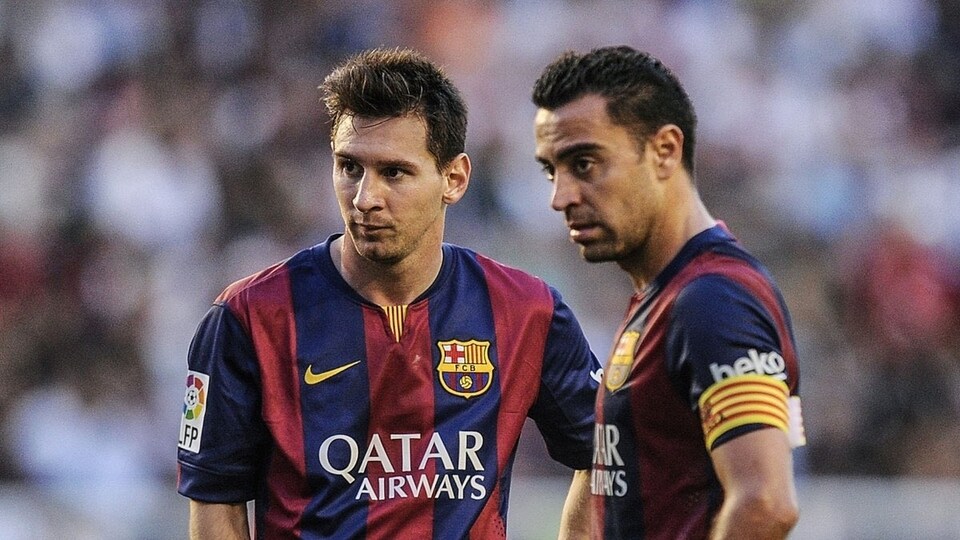
The issue goes back to the period after Messi’s World Cup triumph with Argentina in Qatar, when speculation over a Barcelona reunion gathered pace. Messi left the Catalan club in 2021 due to its financial troubles, and the idea of a homecoming carried emotional weight for supporters. Instead, he eventually joined Inter Miami. Now, Xavi has offered a version of events that sharply contradicts Laporta's account.
Xavi and Laporta offer two sharply different versions
“The president is lying about what happened with Messi. Leo was signed. In January of 2023, after he had won the World Cup, I spoke to him, and he told me that he was excited to learn. We spoke until March, and I told him: ‘Once you give me the OK, I will tell the president because it works perfectly on a football level,'” Xavi said to Spanish outlet La Vanguardia as quoted by ESPN.
The statement shifts the entire story. Xavi is not merely suggesting that Barcelona explored the possibility of bringing Messi back. He is claiming that the football side was fully aligned and that the deal had reached an advanced stage. More strikingly, he suggested the collapse had little to do with the reasons often cited in public.
“The president negotiated the contract with Leo’s dad, and we had the green light from La Liga financially, but it’s the president who pulled out. He told me that if Messi came back, he would make a war. My interest is in telling the truth. Leo didn’t come because the president didn’t want him. It’s a lie to say it’s because LaLiga or Jorge Messi asked for more money. It was the president and his people who said they could not allow it, that he has all the power and that Messi would handle that badly,” Xavi added.
Those are extraordinary allegations from a former Barcelona coach and club legend, because they suggest Messi’s return was not blocked by money or regulations but by internal politics and a struggle over authority. Xavi’s remarks effectively paint the failed reunion as a power call rather than a footballing or financial one.
Laporta, however, has offered a completely different account, pushing back against Xavi’s position while also defending his own larger decisions at the club. “Being Barce president is a tough job, and you have to make difficult decisions. I did what I had to do. With Xavi, I saw that we were going to lose and that with Flick, we were going to win. I understand that he’s hurting. With the same players, Flick is winning,” Laporta told RAC1 as quoted by ESPN.
On the Messi issue, Laporta insisted Barcelona did make its move but that Messi’s camp ultimately preferred a different path. “As for Messi, this is how it was: In 2023, I was told Messi wanted to return, and I sent the contract to Jorge Messi, who later came to my house and told me that there would be too much pressure back here and that they would prefer to go to Miami,” he added.
What remains now are two entirely opposing versions of the same story, one from the manager who wanted Messi back and one from the president who says the club did its part. For Barcelona, the ghost of Messi’s exit still lingers. And now, so does the accusation that his return was stopped not by circumstance, but by choice.


