
 E-Paper



'Doubles is our biggest priority': Sharath Kamal lays out India's Asian Games medal blueprint
Sharath Kamal opened up about life after retirement, India's Asian Games preparations, the UTT's role in nurturing young talent

 Prefer HTon Google


From spearheading India's charge at five Olympic Games to becoming one of the country's most influential figures in table tennis, Achanta Sharath Kamal has embraced retirement with the same purpose that defined his playing career. The 43-year-old, who called time on a glittering career earlier this year, hasn't stepped away from the sport. Instead, he has transitioned into multiple leadership roles — from serving as Deputy Chef de Mission for India's contingent at the upcoming Asian Games to mentoring the next generation and helping shape the sport's future off the table.
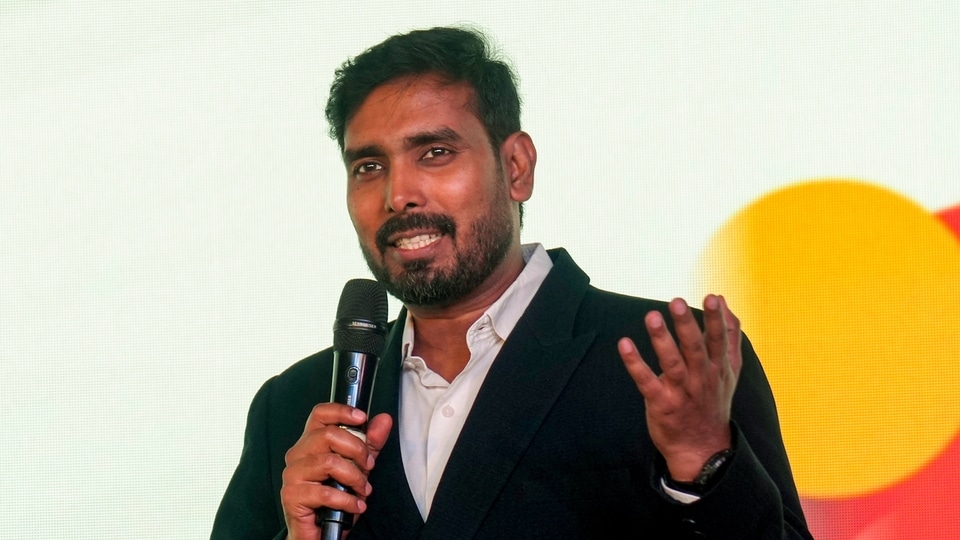
One of those responsibilities has brought him back to Ultimate Table Tennis (UTT), this time as the league's brand ambassador. A former player and mentor in the competition, Sharath has spent the ongoing seventh season in Goa closely watching India's established stars fine-tune their preparations for the Commonwealth Championships and the Asian Games, while also taking note of the emergence of a fearless new generation led by Gen Z and Gen Alpha paddlers.
With the Asian Games dominating conversations throughout the UTT season, Sharath believes India's biggest priority over the next few weeks is not just technical preparation but building combinations and team chemistry—an area that has assumed greater significance after the country's disappointing campaign at the World Team Table Tennis Championships earlier this year.
Speaking exclusively to Hindustan Times on the sidelines of UTT Season 7, Sharath opened up about life after retirement, India's Asian Games preparations, the league's role in nurturing young talent and why he believes the country's next generation can establish India as a force in world table tennis.
Excerpts:
How has retirement been treating you?
I'd say the transition has been really smooth. I had a few months to relax, but I also stepped into several new roles — as a mentor, Advisory Director at the Tamil Nadu High Performance Centre, and Deputy Chef de Mission for the Indian contingent at the Asian Games. I'm also working with the Indian Olympic Association and the Sports Authority of India. On top of that, I'm here as the brand ambassador of Ultimate Table Tennis. So it's been a busy but fulfilling phase.
You've mentioned so many roles. Which one has demanded the most from you?
The most demanding has probably been my role as Deputy Chief de Mission for the Asian Games. It involves coordinating between the Indian Olympic Association, the Sports Authority of India, the Sports Ministry and the Japanese organising committee. It's about ensuring everything runs smoothly for the Indian contingent so the athletes can focus purely on performance and, hopefully, bring home more medals.
You've been around the league for a while now. Do you miss being in the dugout as a player?
Absolutely. I miss the pressure and those butterflies in the stomach before a match. But at the same time, I'm enjoying looking at the sport from a completely different perspective — as a commentator and as someone analysing the game.
It's also helping me understand aspects beyond the table, such as the commercial side of the sport, event operations and how tournaments of this scale are organised. It's been a great learning experience.
ALSO READ: She once queued for a photo with Manika Batra. Now 16-year-old Syndrela Das is India's next big hope
Where do you rank UTT in the Indian table tennis ecosystem?
It's undoubtedly the best platform for Indian players to gain exposure and prepare for the international circuit.
Take this season, for example. Players like Abhinandh PB and Syndrela Das have beaten some of the world's best. Performances like these give young players enormous confidence. When they step onto the WTT or ITTF circuit, they know they can compete with anyone.
Most of the Asian Games squad members are playing here. How do you assess their preparation?
Overall, the preparations have been good. The only setback has been the delay surrounding Massimo Costantini's contract extension and his transition into a new role. Earlier, he was our foreign expert coach. Now he'll be the High Performance Director. Once that process is complete, things should fall into place.
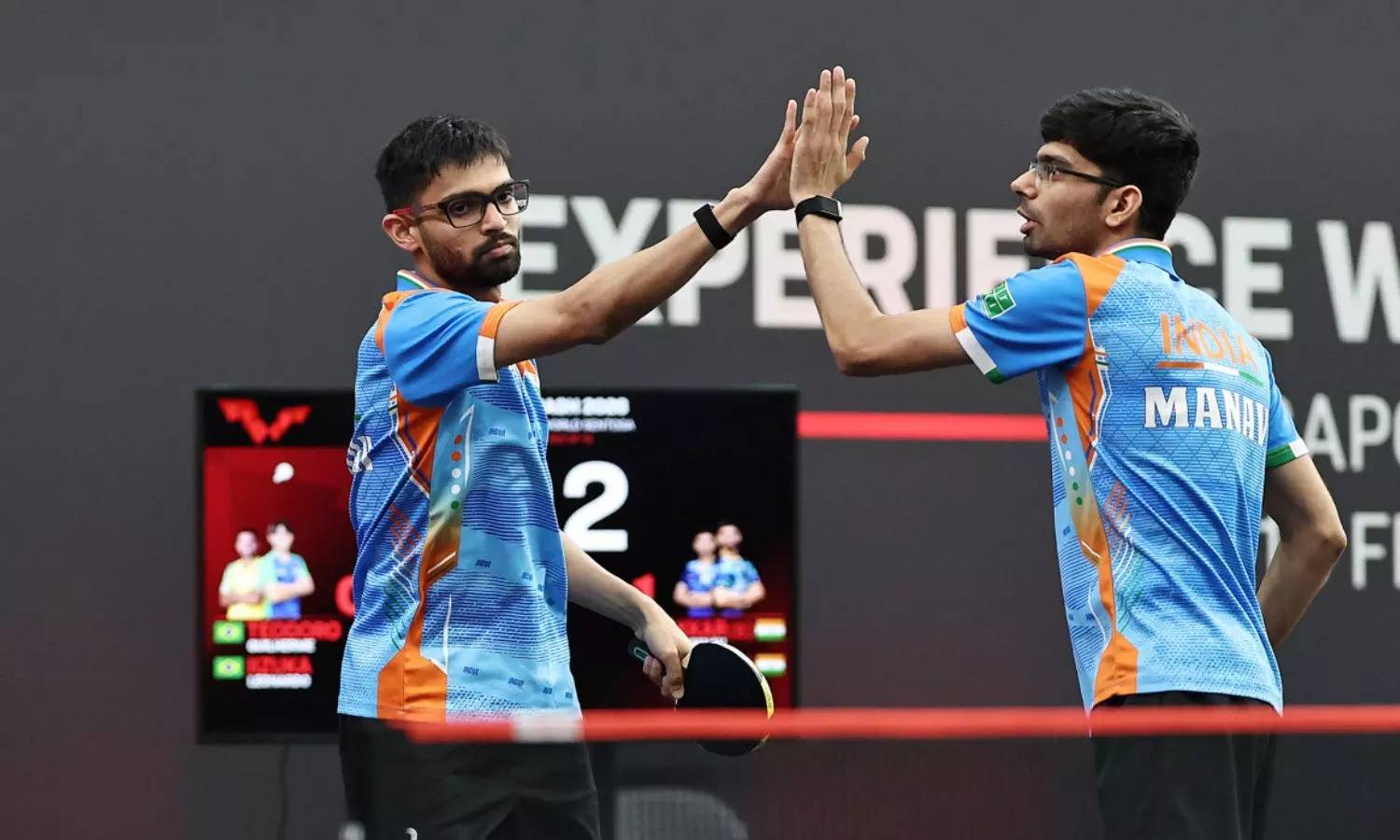
There is a short turnaround between the UTT and the Commonwealths, and then the players will get almost a month before the Asian Games. What should the players prioritise during that period?
It's all about identifying the priorities. For me, doubles will be the biggest priority, followed by the team event. In recent years, India has consistently reached the quarter-finals at the Asian Games, and in 2018 we even made the semi-finals to win a historic medal. Last time, we lost in the quarter-finals, while the women's team has also shown steady progress.
The focus now should be on building team chemistry and understanding each other's games. Every player has to contribute to the team's success. That's where tournaments like UTT and the Commonwealth Championships become invaluable. Both have a strong team element, giving players the ideal environment to prepare for major team events.
Finally, this season we've seen several Gen Z and even Gen Alpha players making an impact. What's your biggest takeaway?
(Laughs) The first lesson is learning some of the words they use!
But more seriously, the biggest takeaway is that Indian table tennis is going from strength to strength, especially at the junior level. The challenge now is ensuring a smooth transition from junior to senior table tennis.
Last year, India won its first-ever silver medal at the World Junior Championships through players like Ankur Bhattacharjee, PB Abhinandh, Priyanuj Bhattacharyya and Punit Biswas. On the women's side too, players like Syndrela Das, Divyanshi Bhowmick, Taneesha Kotecha and a lot more. If we continue giving these youngsters the right exposure and opportunities, I believe India can become a genuine force in world table tennis.


