
 E-Paper



French Open boss rejects electronic line-calling despite Casper Ruud controversy: ‘Machine is not 100 per cent reliable’
The WTA and ATP have called for machine-generated rulings for red-clay events. But for Grand Slam organisers, it's optional.

 Prefer HTon Google


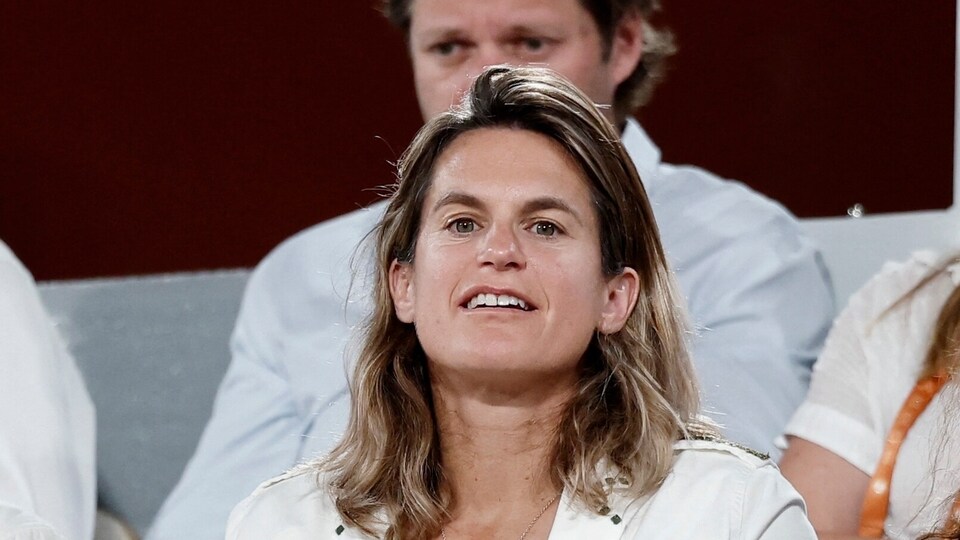
French Open director Amelie Mauresmo claimed on Monday that electronic line-calling isn't 100 per cent reliable on clay courts, maintaining that there are no immediate plans to introduce it at Roland Garros. Her comments come after a controversial line-call during Casper Ruud's defeat against Joao Fonseca.
During the second-set tiebreaker, with Ruud 8-7 up, a spectator pointed out that Fonseca's forehand down the line had landed out. The chair umpire checked the mark and ruled in the Brazilian's favour, ruling that his shot was in and awarding him the point. An electronic line-calling on television showed that it was actually out.
Speaking to reporters, Mauresmo said, "What we observed at the clay-court tournaments leading up to Roland Garros is that the reliability of this system is not absolute."
"As of today, the machine is not 100 percent reliable, so we continue to place our confidence in human officials."
Last year, Wimbledon replaced line judges with electronic line-calling. The US Open and Australian Open have already eliminated line judges. Now the French Open is the only Grand Slam without some form of electronic line-calling.
The WTA and ATP have called for machine-generated rulings for red-clay events. But for Grand Slam organisers, it's optional. But it is also widely accepted that the system is not entirely reliable on clay, a surface that changes with weather conditions, making it harder for digital tracking.
"So we have received no real feedback pushing us in that direction (of electronic line-calling)," she said.
"For us today, what matters is reaffirming our trust in human officials. We’ve made that choice for 2026. As for 2027, we’ll see. We remain open to any new technology that becomes available to us," she added.
Fonseca ended up clinching a dramatic four-set victory against Ruud in their Round of 16 showdown, backing up his win over Novak Djokovic. The Brazilian won 7-5, 7-6 (10/8), 5-7, 6-2 to reach his maiden Grand Slam quarterfinal. The 19-year-old will face Jakub Mensik.
He fought well against Ruud, a two-time French Open finalist, in a contest that lasted three hours and 55 minutes.
Speaking after his win, Fonseca said, "It was tough, Casper plays good here, he's a very experienced guy and he knows how to play here on this court."
"It was tough in the beginning but I played well in the important moments in the first and second sets."


