
 E-Paper



Apple's AI glasses could debut at WWDC 2027, but one challenge still stands in the way
Apple may unveil its AI glasses at WWDC 2027, but its biggest innovation could be the privacy features designed to win over sceptical users.

 Prefer HTon Google


Apple's long-rumoured AI glasses may still be more than a year away. That said, the company is reportedly already laying the groundwork for what could become its next major computing platform. According to Bloomberg's Mark Gurman, Apple is targeting next year's Worldwide Developers Conference (WWDC) to unveil its first AI-powered smart glasses. A consumer launch is expected to follow by the end of 2027.
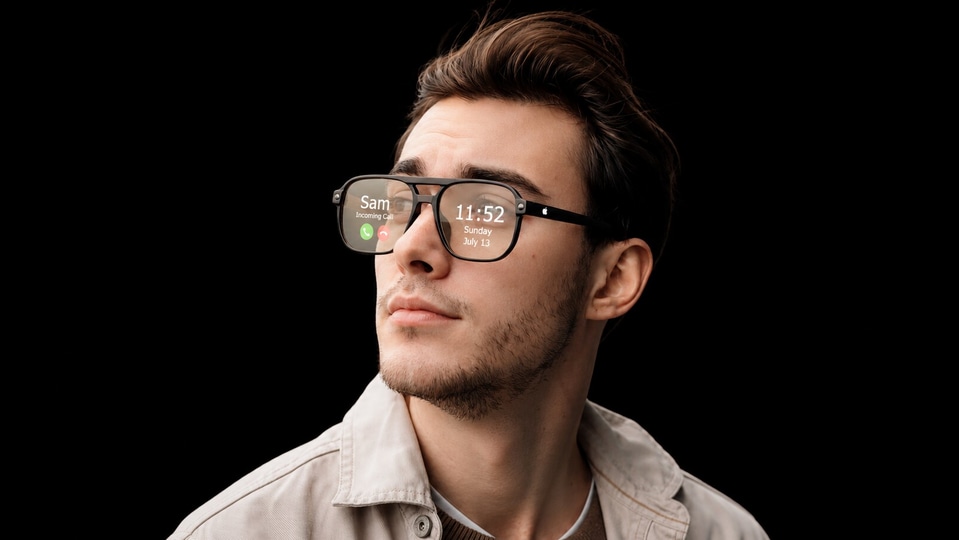
The reported timeline is notable. Rather than waiting until the hardware is ready to ship, Apple is said to be introducing the glasses to developers first. This would give app makers several months to build software for an entirely new form factor. By the time the glasses reach consumers, Apple could already have a healthy app ecosystem in place.
But developers are only one piece of the puzzle. Apple also faces another challenge. It needs to convince people that wearing AI-powered glasses with built-in cameras does not come at the cost of their privacy. In fact, that concern is reportedly one of the reasons the product has taken longer to arrive.
Privacy reportedly pushed Apple's AI glasses back
According to Bloomberg, Apple's smart glasses, internally codenamed N50, were originally expected to debut much sooner. The company reportedly planned an announcement later this year, followed by a commercial launch in early 2027. That schedule has since slipped.
The delay is not believed to stem from the hardware. Instead, Apple is reportedly refining both the product and the privacy message surrounding it. The teams working on the glasses reportedly consider privacy their highest priority.
That focus is not surprising. Meta may have created the first commercially successful category of smart glasses. However, its history of privacy controversies has cast a long shadow over the segment. As a result, many people remain uncomfortable with camera-equipped smart glasses. They worry about being photographed or recorded without their knowledge in restaurants, offices and other public places.
These concerns have also led to restrictions. Smart glasses are already banned in certain courtrooms. Some schools, hospitals, gyms, entertainment venues and casinos have also prohibited them.
Apple's privacy strategy could become its biggest selling point
Apple is expected to introduce safeguards similar to those on rival products. For instance, Meta's smart glasses use an LED indicator to show when photos or videos are being recorded. Recording is also disabled if the indicator appears to have been tampered with. Samsung is expected to include similar protections in its upcoming smart glasses.
However, Apple may go a step further. Bloomberg reports that the company plans to rely heavily on on-device AI processing. This would reduce the amount of user data sent to the cloud. Apple is also expected to avoid features such as facial recognition and continuous environmental scanning, both of which have sparked debate in the smart glasses industry.
The company is also unlikely to use customer recordings to train its AI models. Nor is it expected to have contractors review footage captured by the glasses. Bloomberg adds that Apple is testing several new hardware and software privacy features not available on its existing products.
If these rumours prove accurate, WWDC 2027 may be about more than just new hardware. It could show how Apple plans to differentiate its AI glasses from the competition. Instead of making AI the headline feature, the company may try to make privacy its biggest selling point.


