
 E-Paper



Big Tech Is Eating Itself in Talent War
The scramble by tech companies for top AI talent is using unorthodox methods that imperil Silicon Valley’s startup culture.


 Prefer HTon Google


Big Tech’s insatiable thirst for AI talent is threatening to kill its golden goose.
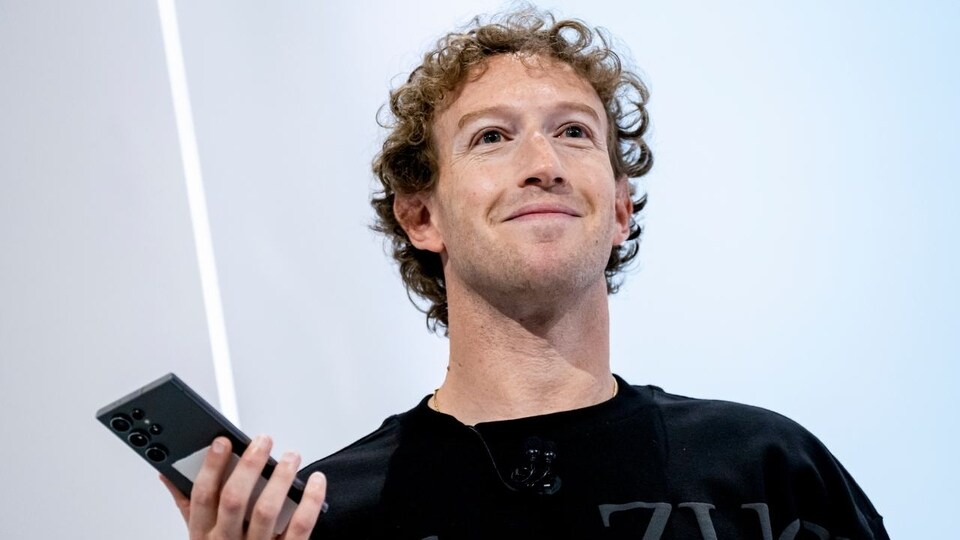
Tech companies are paying AI researchers billions of dollars and using unorthodox tactics to grab the brightest minds. Their moves might help them near-term in the battle for AI supremacy, but they could also stifle a Silicon Valley innovation engine they badly need.
Alongside job offers worth as much as $1 billion, Microsoft, Meta Platforms, Amazon.com and Google-parent Alphabet have all indulged in some version of what has come to be called the “reverse acquihire”: Instead of acquiring startups, they have hired away founders and top AI researchers—or licensed startups’ technology—and left the husk of the businesses to either find new missions or be acquired by someone else.
Microsoft did it with Inflection AI last year, bringing in its chief executive Mustafa Suleyman to manage its Copilot AI business, and paid a $650 million licensing fee to the company. Meta did it in June with AI data-labeling specialist Scale AI, proffering a $14.8 billion investment in the company in exchange for CEO Alexandr Wang and a team of Scale employees.
Such moves suit the needs of the top tech companies in the current moment. The hires are pulled off quickly during an AI race that the companies see as a once-in-a-generation opportunity. They are relatively uncomplicated, with companies getting the talent and technology they want without the hassle of a post-acquisition integration effort. Perhaps most important, they don’t need regulatory approval in an era when all of the companies are under some form of antitrust scrutiny.
There are incentives on the startup side, too. Poached researchers are in some cases getting pro-athlete-level salaries. Venture-capital funders largely aren’t getting big returns in these deals, industry executives say, but they aren’t totally losing their shirts.
The problem is that the moves challenge Silicon Valley’s cultural foundations.
Silicon Valley’s basic bargain has always been rooted in taking enormous risk in the hope for an equally enormous reward. Most startups fail, but those that succeed can be wildly successful, generating hundredfold or higher returns for their venture-capital backers and making employees—many lured with the promise of equity—rich.
It is an especially risky business for rank-and-file employees of venture-backed startups who are tied to the success of one company at a time, not a diversified portfolio of them.
But for many employees of startups hollowed out in reverse acquihires or passed over in Big Tech hiring sprees, the rewards haven’t been very handsome.
When Google gutted a startup called Windsurf in a $2.4 billion deal in July, some of the remaining staff cried in the startup’s office. The remainder of the company was quickly snapped up by another AI startup, but those employees almost certainly didn’t get the kind of payday they were expecting. Before the Google deal, OpenAI had been in talks to buy Windsurf for $3 billion in what would have been a standard-issue Silicon Valley acquisition.
A bunch of tech employees losing out on a payday might not seem all that significant. But Silicon Valley’s innovation machine only works if it has an army of people who aren’t founders or leading researchers moving its gears, the employees who handle sales, marketing, human resources or are part of large engineering teams. That’s who’s getting the short end of the stick.
“There are a ton of employees who are bought into this system, and the history and the tradition is you come out here, you try to make something of value and if it works out, everybody wins,” said Jon Sakoda, the founding partner of Decibel, a venture-capital firm. “If you thought you had a share of a company and you actually didn’t have a share of a company, there’s a loss of trust.”
If the reverse acquihire trend persists, there is a reasonable chance many people who would have been bold enough to join a risky startup will give more weight to their other options. They might instead go directly to big tech companies, in what might be a safer route for themselves but one that makes the pool of available startup talent shallower.
Big tech’s hiring tactics could ultimately prove problematic not only for venture capitalists and startups but for the titans themselves. Microsoft, Alphabet, Meta and Amazon collectively have acquired more than 100 companies outright since 2020, and have invested in hundreds more, according to Dealogic figures.
Android was hardly a household name when Google paid $50 million for it back in 2005, but it has become the centerpiece of the company’s mobile-phone strategy. Amazon’s acquisition of Annapurna Labs for $350 million in 2015 laid the foundation for its wide-ranging custom-chip effort.
It is clear enough why Big Tech is using its current playbook in the AI craze. But every time it does so, it erodes the very startup culture that has made Silicon Valley an unparalleled source of tech innovation.
Write to Asa Fitch at asa.fitch@wsj.com


