
 E-Paper





Brave takes stand for privacy by blocking Recall feature in Windows 11
Brave blocks Windows 11's Recall feature by default, preventing it from capturing screenshots of browsing activity for enhanced user privacy.


Brave browser has taken privacy to a whole new level by blocking Microsoft's controversial Recall feature in Windows 11. Recall is a Windows 11 feature for Copilot+ PCs that continuously captures screenshots of user activity. Microsoft calls it a detailed, searchable digital memory, which lets users search for and revisit any point in their timeline to resume previous tasks.

Windows Recall feature is a privacy nightmare
Released in 2024, Recall quickly drew criticism from privacy advocates and security researchers. The feature is designed to capture screenshots continuously on supported PCs, process them and save them so users can access any point in the generated timeline.
Many argue that this level of documentation is a privacy nightmare. If malware gains access to Recall’s archive, it could compromise a user’s entire digital history in an instant. Microsoft addressed the criticism by introducing granular controls, such as making Recall opt-in and offering users the ability to filter out specific apps from being recorded.
Brave blocks recall by default
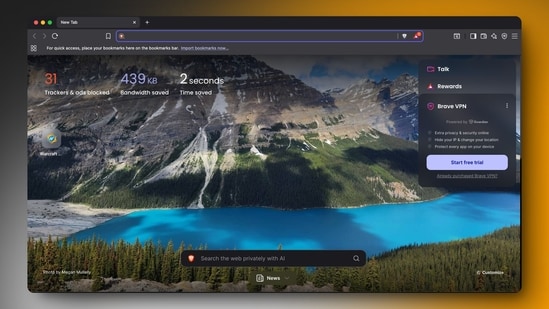
Brave is not waiting for users to filter it out from Recall; it has taken matters into its own hands. In an announcement on X, Brave revealed that starting with version 1.81, the browser will automatically block Recall by default. Not just private windows, but all browser windows will be marked as private for Windows. This means Recall will not be able to capture any information from any of Brave’s browsing sessions.
Previously, the Signal messaging application opted out of Recall by default on Windows. It uses DRM technology, a method borrowed from streaming services’ anti-piracy tools, to black out the screen to all screen-capturing tools. Brave is following similar measures to block Microsoft’s screenshot utility on Windows.
Brave still does not have trust in the recall feature, as the company stated, “Your browsing isn’t private if Windows 11 is taking screenshots of everything you do.” However, Brave has provided a toggle under Settings to disable the Recall block for users who still want Windows to capture screenshots of their browsing sessions.


