
 E-Paper



Can smartwatches help detect Covid-19? Here's what this research claims
With the pandemic still not over, focus has now turned whether such wearable devices could detect changes indicating a coronavirus infection.

 Prefer HTon Google


Can gadgets like smartwatches detect and track a contagious disease like the Covid-19? With the pandemic still not over, focus has now turned whether such wearable devices could detect changes indicating a coronavirus infection.
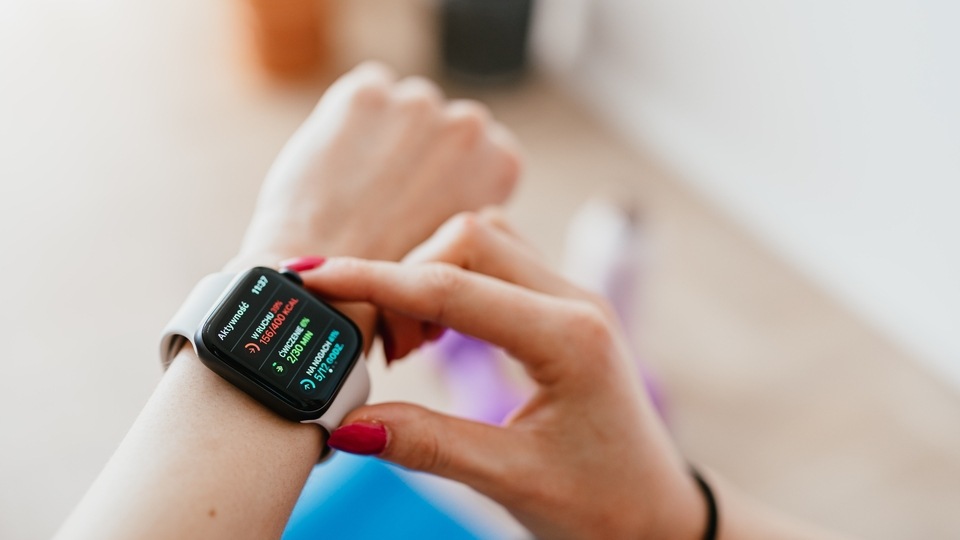
An increased breathing rate has turned out to be a biomarker for the early detection of the Covid-19 infection. The breathing rates are estimated through a method called photoplethysmography which only needs a single point of contact, an article published in online journal The Conversation stated.
The method is susceptible to light, pressure or motion. As a result, most of the studies seeking to use this method to detect the coronavirus infection focused on monitoring people during sleep.
Smartwatch maker Fitbit analysed the nocturnal breathing rates of thousands of users of their devices to analyse whether this process could aid Covid detection. They found that within a week period, a portion of people with Covid showed at least one measurement of increased breathing rate, the report by University of Essex senior lecturer Javier Andreu-Perez stated.
The report stated that this was detected in one-third of symptomatic patients, and one-quarter of asymptomatic patients. The study suggested that commercial wearable devices could be a non-invasive way to detect possible infections.
Another study analysed the potential of a US brand WHOOP's fitness tracker. The data on respiratory rate and other indicators of heart function from a group of Covid patients was used to predict infection.
This model was tested on a separate group of Covid-19 patients and others without the infection, but having similar symptoms. As per the respiratory rate during the sleep, the tracker was able to identify 20 per cent of Covid-19 positive cases in the two days before symptom onset, and 80 per cent by the third day of symptoms.


