E-Paper



Do room heaters produce carbon monoxide? Risks of carbon emissions and eco-friendlier heating alternatives
Room heaters can emit harmful carbon monoxide if not used properly. Learn about the risks and eco-friendly, energy-efficient heating solutions for a safer home.

 Prefer HTon Google


Our Picks
FAQs
Our Picks
| Product | Rating | Price |
|---|---|---|
Russell Hobbs 1200W Carbon Infrared Electric Room Heater | 2 Heat Settings, Wide Oscillation, Double Carbon Tubes | 40% Less Power Consumption, Tip-Over Safety Protection | 2-Year Warranty - RCH1200WView Details  | ₹5,990 | |
 | ||
Dr Infrared Heater Portable Space Heater, Original, 1500-Watt, Cherry (Pack of 1)View Details | ₹41,653.99 | |
| ||
Elstein Ceramic Infrared HeaterView Details | ₹1,950 | |
| ||
Russell Hobbs 1200W Carbon Infrared Electric Room Heater | 2 Heat Settings, Wide Oscillation, Double Carbon Tubes | 40% Less Power Consumption, Tip-Over Safety Protection | 2-Year Warranty - RCH1200WView Details | ₹5,990 | |
| ||
Dr Infrared Heater Portable Space Heater, Original, 1500-Watt, Cherry (Pack of 1)View Details | ₹41,653.99 | |
| ||

Research-Backed Choices
Every product we recommend is chosen through a combination of Primary Research and Secondary Research.
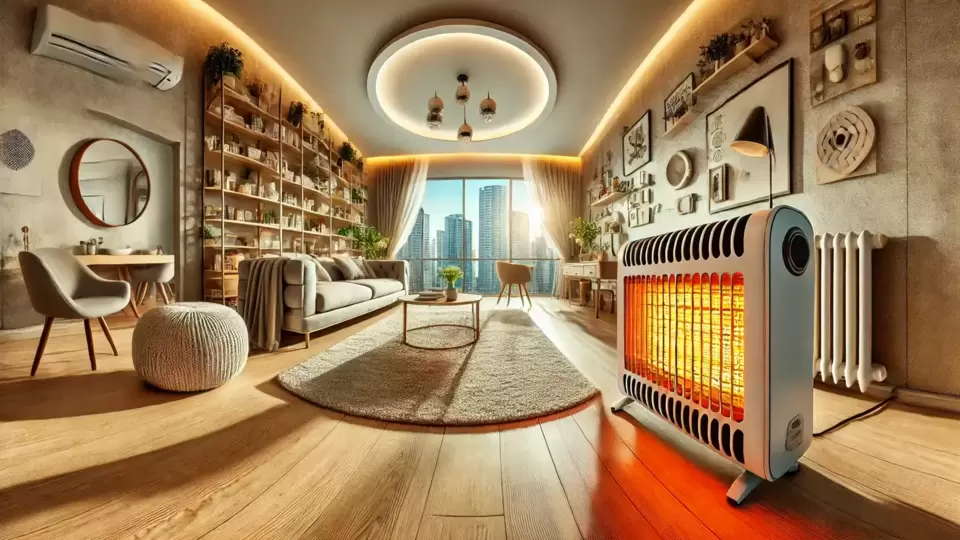

Room heaters are a popular solution for staying warm during the colder months. However, many people aren't aware that certain types of room heaters, especially those using combustion, can emit harmful carbon monoxide (CO) if not properly used or maintained. In this article, we’ll explore in depth what carbon monoxide is and how it relates to room heaters.
We’ll also discuss eco-friendly heating options that keep your home warm while reducing environmental impact. By choosing non-combustion solutions, you can cut the risk of carbon monoxide exposure and support sustainability. Whether it's electric or infrared heaters, making the right choice is key to staying safe and comfortable. Let's uncover the risks and reveal the best, safer alternatives for winter.
What is carbon monoxide and how does it relate to room heaters?
Let’s consider a real-life scenario: You’re using a gas heater in your living room to escape the chill. The warmth feels comforting, but what many fail to notice is the hidden danger. Over time, if your room heater isn’t regularly serviced or the room lacks proper ventilation, carbon monoxide (CO) can silently build up, posing a serious threat to your health.
Carbon monoxide is a deadly gas that cannot be seen or smelled, making it one of the most dangerous indoor hazards. It’s produced by incomplete combustion from heating devices like gas heaters, and it quietly fills the air without any noticeable signs. You might not realise it's there until you begin feeling unwell, with symptoms like lightheadedness, nausea, or breathlessness. This invisible threat can quickly escalate to more severe conditions, such as unconsciousness or even death, if left unchecked. That’s why understanding the risks and ensuring proper ventilation is crucial to safeguarding against its harmful effects.
The risk is often underestimated, but it’s important to recognise how easily carbon monoxide can accumulate in an inadequately ventilated room. Without proper maintenance and regular servicing of combustion-based heaters, you could be unknowingly exposing yourself to dangerous levels of this toxic gas. Regular checks, good ventilation, and awareness of symptoms are life-saving steps to keep your home and health safe from this silent killer. It’s not just about warmth; it’s about safety, too.
Risks of carbon monoxide emissions from room heaters
1. Inadequate combustion: Poorly maintained or improperly installed combustion heaters (gas, kerosene) can produce harmful carbon monoxide.
2. Health risks: Exposure to carbon monoxide can cause a range of symptoms, such as confusion, shortness of breath, and weakness. In severe cases, prolonged exposure may lead to loss of consciousness or fatal consequences if not addressed promptly.
3. Signs of improper combustion: A yellow or orange flame instead of a blue flame indicates incomplete combustion and potential carbon monoxide build-up.
4. Ventilation is key: Lack of proper room ventilation can cause carbon monoxide to accumulate, increasing the risk of poisoning.
5. Regular maintenance: Ensure that heaters are serviced timely to prevent faulty operation that can lead to carbon monoxide emissions.
6. CO detectors: Install carbon monoxide detectors in rooms with combustion heaters to monitor CO levels.
7. Safe heating practices: Always check for good airflow and avoid blocking vents to minimise carbon monoxide risks.
We have discussed the risks associated with carbon monoxide now we will discuss how to prevent them.
How to prevent carbon monoxide emissions from room heaters?
Preventing carbon monoxide (CO) emissions from room heaters requires vigilance and proper safety practices. Here’s a concise guide to ensure your heating devices are safe and efficient:
1. Schedule professional inspections: Annual servicing by certified technicians ensures heaters are functioning efficiently and safely. Faulty or worn-out components can lead to incomplete combustion, increasing carbon monoxide risks.
2. Ensure proper room ventilation: Always use heaters in well-ventilated areas. Avoid sealing off rooms entirely, as fresh air helps disperse carbon monoxide and maintain safe indoor air quality.
3. Monitor heater performance: Watch for signs like discoloured flames (yellow or orange instead of blue) or unusual odours, which may indicate improper combustion. Turn off the heater and consult a professional immediately if these occur.
4. Install carbon monoxide detectors: Place detectors in key areas, especially near sleeping zones and heating devices. These devices provide real-time alerts in case of carbon monoxide buildup.
5. Choose safer alternatives: Consider electric heaters or infrared models that operate without combustion, eliminating CO risks entirely. These eco-friendly options also reduce environmental impact.
6. Follow manufacturer’s instructions: Adhere to guidelines for installation, usage, and maintenance. Avoid DIY repairs and use recommended spare parts to maintain the heater’s integrity.
Revolutionise your heating with eco-friendly and energy-efficient alternatives
Looking for a way to stay warm this winter without compromising your safety or the environment? Say goodbye to energy-intensive traditional heaters and embrace modern, eco-friendly heating solutions designed for comfort and sustainability. Here’s a closer look at some of the best alternatives:
1. Infrared room heaters: These innovative room heaters provide instant warmth by directly heating objects and people, much like natural sunlight. Their energy efficiency ensures minimal waste, making them an excellent choice for conscious heating.
Check out these infrared room heaters:
2. Ceramic room heaters: Compact and portable, ceramic heaters deliver rapid, even heating. They are perfect for small spaces, consume less energy, and incorporate advanced safety features for worry-free operation.
Check out these ceramic room heaters:
Also Read: Heater hazards: The long-term risks of constant indoor heat from room heater usage
3. Heat pumps: Ideal for larger areas, heat pumps transfer heat from the air or ground rather than generating it, making them up to four times more energy-efficient than conventional heaters.
4. Oil-filled radiator room heaters: These electric room heaters offer sustained warmth even after they are turned off. Unlike older oil-based heaters, they are safe, efficient, and produce no harmful emissions.
Check out these OFR room heaters:
When it comes to ensuring safe, efficient, and eco-friendly heating, combustion-based room heaters should be avoided due to the risk of carbon monoxide emissions. Heaters such as gas, kerosene, and wood stoves release harmful gases that can be hazardous without proper ventilation. These room heaters can significantly impact indoor air quality and pose health risks, especially in poorly ventilated spaces.
Non-combustion alternatives like infrared heaters, ceramic heaters, oil-filled radiators, and heat pumps provide the safest and most energy-efficient options. These models eliminate harmful emissions while delivering reliable warmth, ensuring a comfortable and healthy environment. With their combination of safety, efficiency, and sustainability, non-combustion heaters are the ideal choice for a modern, eco-conscious home.
Similar stories for you
Top room heaters: 10 premium choices to match your taste
Bajaj room heaters: Choose from our top 10 picks that guarantee warmth this winter
Disclaimer: At Hindustan Times, we help you stay up-to-date with the latest trends and products. Hindustan Times has an affiliate partnership, so we may get a part of the revenue when you make a purchase. We shall not be liable for any claim under applicable laws, including but not limited to the Consumer Protection Act, 2019, with respect to the products. The products listed in this article are in no particular order of priority.