E-Paper



The great room heater showdown: Which is more suitable between fan, OFR, and infrared? A detailed comparison guide
Not sure which room heater to choose? Our detailed guide compares fan, OFR, and infrared room heaters to help you pick the most effective option for your space.

 Prefer HTon Google


Our Picks
FAQs
Our Picks
| Product | Rating | Price |
|---|---|---|
Orpat OEH-1220 2000-Watt Fan Heater (White)View Details  | ₹1,199 | |
 | ||
Orient Electric Areva Portable Room Heater | 2000W | Two Heating Modes | Advanced Overheat Protection | Horizontal & Vertical Mount | 1-year replacement warranty by Orient | WhiteView Details | ₹1,449 | |
| ||
Room Fan Heater, Ultra Quiet with 2 Adjustable Heat Settings Modes, Compact Yet Powerful Bring Comfort to Your Indoor, Home Office or Study Room, Perfect for Quick Warm-Ups in Any Room.(White)View Details | ₹1,139 | |
| ||
Orpat OEH-1260 2000-Watt Fan Heater (Grey)View Details | ₹1,504 | |
| ||
Borosil 2000W Novus Portable Electric Fan Room Heater (Made in India) | Variable Temperature Control, Horizontal & Vertical Placement | Room Heater Blower, Overheat Protection | 1 Year Warranty, GreyView Details | ₹1,399 | |
| ||

Research-Backed Choices
Every product we recommend is chosen through a combination of Primary Research and Secondary Research.
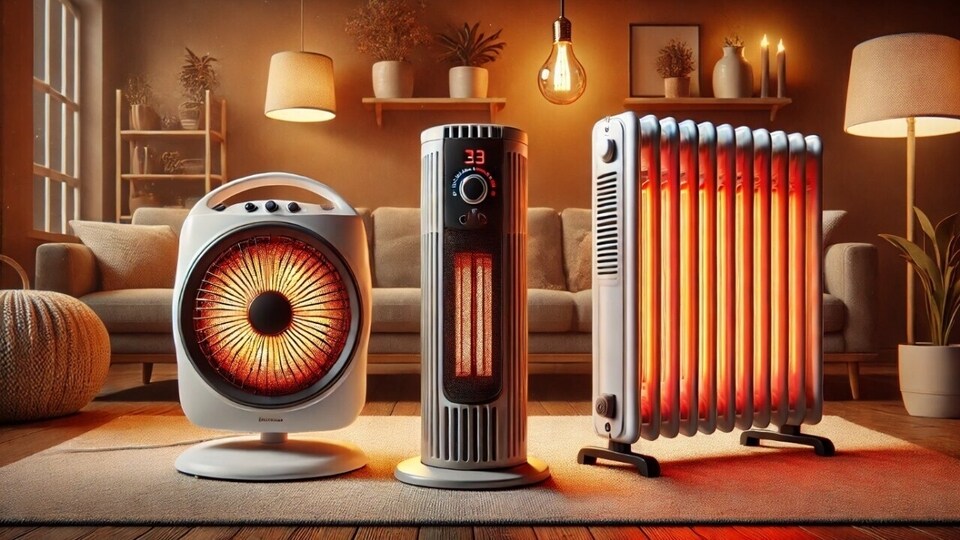

When the cold sets in, staying warm indoors becomes a top priority. But have you ever wondered if the heater you're using is the best option for your comfort? Different room heaters have unique features that can impact how efficiently they heat your space, and it's important to choose one that fits your needs perfectly.
Fan heaters provide quick warmth, efficiently heating up your space in no time. Oil-filled radiators (OFR) offer steady, long-lasting heat, perfect for maintaining a consistent, comfortable temperature. Infrared heaters deliver direct, energy-efficient warmth, targeting specific areas with precision. Each type of heater serves a different need, so the right choice depends on your space and personal heating preferences.
In this guide, we’ll explore the differences between fan heaters, OFRs, and infrared heaters to help you make the best choice. Whether you’re looking for fast warmth, consistent heat, or targeted efficiency, we’ll help you find the ideal heater for your home this winter.
How do these 3 types of room heaters work? Let’s break it down
When it comes to keeping warm during the colder months, it's important to understand how different heaters function. Every room heater uses a different method to heat the air and make your space more comfortable. Let’s look at the most common heating methods used in today’s heaters.
1) Fan heaters: Think of fan heaters as the quick fix for a chilly room. Inside these devices is an electric heating element, often made of metal or ceramic. When you switch it on, electricity flows through the element, warming it up. A fan placed behind the heating element blows air across it, circulating the warmth throughout the room. This is similar to the way a hairdryer works – it uses air movement to spread heat quickly. For example, if you have a fan heater in your office or home, you’ll notice that it warms up the space in a matter of minutes. However, once you turn it off, the heat doesn’t last long because it’s the air that’s been heated, and it starts to cool down fast.
Check out the best fan room heaters on Amazon:
2) Oil-Filled Radiators (OFR) heaters: Now, oil-filled radiators are a bit different. They don’t use a fan to circulate warm air. Instead, they rely on oil that heats up over time. Inside the radiator, the oil is heated by an internal element, and it then radiates heat throughout the room. The oil acts as a heat reservoir, so it continues to release warmth long after the heater is switched off. For example, suppose you’re in your living room on a chilly evening with an oil-filled radiator gently warming the space. The heat spreads evenly and lingers even after it’s switched off, creating lasting comfort. Unlike fan heaters, an OFR offers steady warmth without harsh drafts.
Check out the best OFR room heaters on Amazon:
Also Read: Heater hazards: The long-term risks of constant indoor heat from room heater usage
3) Infrared heaters: Infrared heaters work by directly heating objects and people rather than the air. These heaters emit infrared radiation, similar to the warmth you feel when you stand in the sun. The rays directly hit surfaces, heating them up. For example, if you have an infrared heater near your desk, you will feel warmth almost immediately, but the room itself might still be cool. These heaters are perfect for targeted heat. If you're sitting by the heater, you will feel cosy even in an otherwise cold room, but it won’t be the best choice for warming the whole space.
Check out the best infrared room heaters on Amazon:
Decoding room heaters: A quick guide to fan, OFR, and infrared room heaters
| Features | Fan Room Heater | Oil-Filled Radiator (OFR) Room Heater | Infrared Room Heater |
| Heating Method | Convection and fan-forced heating | Convection heating with oil-filled fins | Radiant heating using infrared radiation |
| Advantages | - Heats up quickly - Portable and lightweight - Affordable | - Even heat distribution - Energy-efficient over time - Quiet operation | - Instant heat - Energy-efficient - Silent operation |
| Limitations | - Dries out air - Noisy operation - Limited coverage | - Slow to heat up - Bulky design - Higher initial cost | - Limited area coverage - Not ideal for large spaces - Direct exposure can feel intense |
| Best Use Case | - Small rooms - Quick heating needs - Temporary use | - Large rooms - Long-duration heating - Quiet environments | - Spot heating - Well-insulated rooms - Direct heat needs |
| Energy Efficiency | High energy consumption for prolonged use | More efficient over extended periods | Highly efficient for localised heating |
| Noise Level | Noticeable fan noise | Almost silent | Silent |
| Portability | Lightweight and easy to move | Heavier and less portable | Portable but requires placement near the user |
| Price Range | Budget-friendly | Moderate to high | Moderate |
Innovative room heater features to watch out for: Fan, OFR, and infrared room heaters
When shopping for a room heater, understanding the innovative features specific to each type can help you make a more informed choice. Here’s a look at some standout features across the three most common heater types: fan heaters, oil-filled radiators (OFR), and infrared heaters.
1) Fan Heaters: Speed and versatility
- Dual heat settings: Many fan heaters come with adjustable heat settings (e.g., 1000W and 2000W), allowing users to choose between quick warmth and more moderate heating.
- Oscillation function: Some fan heaters feature oscillation, which allows the heat to spread more evenly across the room, rather than concentrating in one spot. This is especially useful in medium-sized rooms.
- Overheat protection: Advanced fan heaters now come with overheat protection sensors, ensuring the heater shuts off automatically if the temperature exceeds a safe level. This adds an extra layer of safety for household use.
2) Oil-Filled Radiators (OFR): Comfort and durability
- Thermal cut-Off technology: OFR heaters often come with thermal cut-off technology that ensures the unit will turn off once it reaches a certain temperature, helping to avoid overheating and ensuring consistent safety.
- Adjustable thermostat: Many modern OFRs come with adjustable thermostats that allow for precise control of room temperature. This feature is especially useful for maintaining an ideal environment over long periods.
- Portable and easy to store: While larger in size, many OFR models are designed with wheels and a compact frame, making them easy to move and store after use, which adds to their convenience, especially in small spaces.
3) Infrared Heaters: Focused, energy-efficient heat
- Carbon fiber heating elements: Some of the latest infrared heaters use carbon fiber heating elements, which are more energy-efficient and durable compared to traditional metal elements. These offer quicker heat-up times and reduced glare, ensuring a comfortable heating experience.
- Remote control functionality: Many infrared heaters come with remote control options, allowing users to adjust settings like temperature and heat output without leaving their seat. This makes it a convenient option for people using the heater in specific, stationary areas like their office or reading nook.
- Adjustable heat angle: With adjustable heat direction, some infrared heaters allow you to direct heat precisely where you need it. This feature can make them ideal for targeted heating in larger rooms or for specific individuals sitting near the heater.
Room heater showdown: Cost, efficiency, and maintenance at a glance
| Heater Types | Upfront Cost | Energy Efficiency | Maintenance | Long-Term Cost | Best For |
| Fan Heaters | Low | Low (high energy use) | Minimal (occasional dusting) | Higher (due to frequent use) | Short-term heating in small spaces |
| Oil-Filled Radiators (OFR) | Medium | High (long-lasting warmth) | Minimal (occasional cleaning) | Lower (energy savings over time) | Larger spaces, consistent use |
| Infrared Heaters | Medium | High (direct heating) | Minimal (no moving parts) | Low (energy efficient for spot heating) | Targeted heating in smaller rooms |
Which room heater takes the lead: Fan, OFR, or infrared?
When it comes to warming up your space, oil-filled radiators (OFRs) emerge as the true winner. While fan heaters deliver quick heat and infrared heaters target specific areas, OFRs shine with their consistent warmth, energy efficiency, and quiet operation. They provide long-lasting comfort, making them the go-to choice for reliable, all-around heating. For a steady, energy-efficient solution that stands the test of time, an OFR is the clear champion in the room heater race.
Similar stories for you:
Havells heater: Here are top 10 models to beat the winter chill
Best room heaters: Top 6 efficient solutions to create a cosy, warm atmosphere in any room
Best room heaters with oil: Top 8 oil heaters to stay warm in extreme winters on a budget
Disclaimer: At Hindustan Times, we help you stay up-to-date with the latest trends and products. Hindustan Times has an affiliate partnership, so we may get a part of the revenue when you make a purchase. We shall not be liable for any claim under applicable laws, including but not limited to the Consumer Protection Act, 2019, with respect to the products. The products listed in this article are in no particular order of priority.