
 E-Paper



Elon Musk slams rivals for too many satellites even as SpaceX owns over 60% of those orbiting Earth
SpaceX, which operates the majority of active satellites, is urging US regulators to scrutinise a competitor’s satellite plans.

 Prefer HTon Google


Elon Musk and his company SpaceX have launched more than 9,000 satellites into orbit, which means they now control over 60 per cent of all active satellites circling Earth. With plans to send up tens of thousands more for Starlink’s global internet project, SpaceX has become the biggest player in the satellite game. The company insists these satellites will deliver high-speed broadband everywhere, from big cities to remote villages.
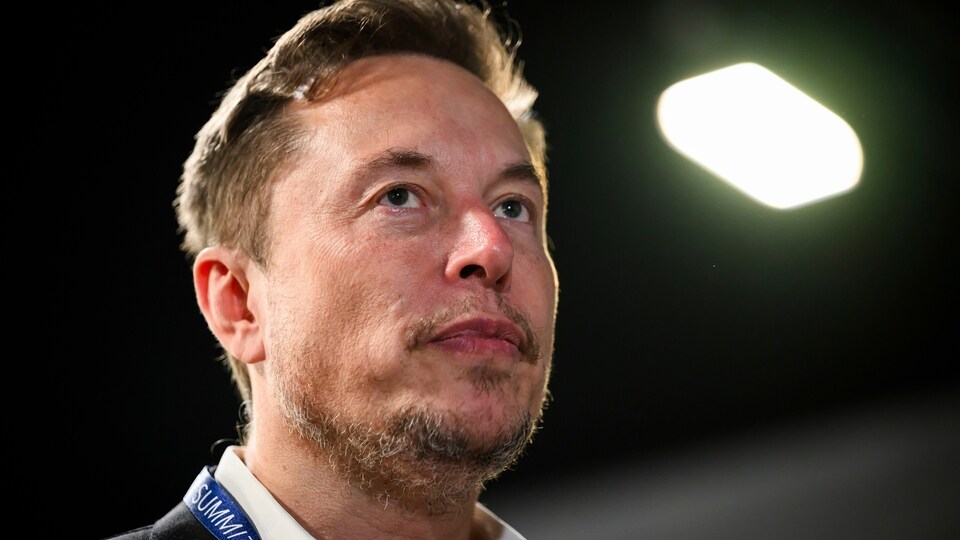

But despite this staggering presence, SpaceX has written to the US Federal Communications Commission (FCC) to complain about a competing company, AST SpaceMobile, and its own satellite launches. SpaceX’s letter accuses AST of not doing enough to prevent space collisions and of leaving too many risks unaddressed. They claim AST’s plans could raise the chances of accidents in orbit, and even bring dangers if a satellite re-enters Earth’s atmosphere. According to SpaceX, AST’s risk models are not strict enough and their strategies for keeping satellites under control fall short.
This protest, coming from a company that holds the lion’s share of all satellites, strikes many as ironic. Critics note SpaceX’s history of launching massive numbers of devices while warning others about the dangers of a crowded orbit. Alongside worries about collisions, astronomers are also concerned about all this activity. Some SpaceX satellites already shine so brightly after sunset that they stand out in the night sky, and AST’s satellites may be even bigger and brighter. Their massive “BlueBird” satellites are designed to unfurl panels as large as a tennis court, making them visible to the naked eye and raising concerns among skywatchers.
Competition in space
SpaceX and AST have been locked in arguments for years, especially over technical standards and radio band emission rules. AST has previously accused SpaceX of using “anticompetitive” tactics with government agencies and other industry players, saying that SpaceX is trying to stifle new entrants and direct attention away from its own technical challenges.
Despite the back and forth, the underlying concerns are real. Space is getting more crowded, which raises the chance of collisions, failed satellites, and orbital debris. Both companies have plenty to fix if they want to avoid harming astronomy and keep Earth’s orbit safe for everyone. As the commercial space race heats up, big players and new startups are all striving for space and occasionally, calling each other out. The latest spat is just one example of a growing issue: how to keep the skies above us open, safe, and fair in a gold rush for orbital real estate.


