
 E-Paper



Google accidentally leaks Android’s next big redesign, here’s what’s coming
Google says Material 3 Expressive is its “most researched” design update yet. Here's what's in store.

 Prefer HTon Google





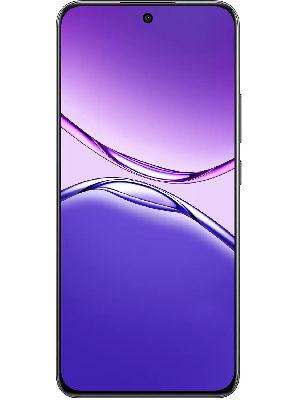

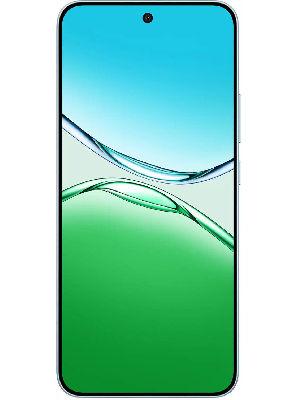



Google’s latest design language for Android is called Material 3 Expressive, which the company describes as its “most researched” update to its design system to date. The blog post, as first spotted by 9to5Google, announcing it was leaked earlier this week but has since been deleted by Google. However, the post revealed many details about what to expect from the next major redesign of Android.

You can still view an archived version of the deleted webpage, which outlines how Google developed Material 3 Expressive. According to Google, this design aims to evoke emotion, communicate functionality, and help users achieve their goals. The company describes it as a “design with a soul.”
Google says the new design makes key actions stand out and groups related elements together for a better overall experience for the users.
Also Read: Samsung Galaxy S25 Edge specs and pricing leaked ahead of May 13 launch - Details
How Google Researched For Material 3 Expressive
To conduct its research, Google carried out 46 separate studies involving hundreds of design iterations and over 18,000 participants from across the globe. This research led to the development of the core principles behind Material 3 Expressive.
Google’s research covered several areas, including eye-tracking to determine where users naturally focus their attention, sentiment analysis to check user preferences, and usability testing to measure how quickly users understand an interface.
The company also evaluated emotional responses to various design elements. For example, it refined individual components like progress indicators, focusing on what looked and felt faster, and what conveyed a sense of premium.
Also Read: iPhone 17 Air likely to come with optional accessories for lasting battery life- Details
Google I/O 2025 Soon
It is likely that Google will further discuss Material 3 Expressive during the Google I/O 2025 event
From the leaked post, it’s clear that Google is aiming to go beyond clean and minimal design, creating an interface that resonates with users on an “emotional level.”
At the same time, Google acknowledges that while expressive design offers exciting possibilities, it isn’t a one-size-fits-all solution. So, what works for a media player or email app might not be suitable for something like a banking interface. Therefore, product makers must pay heed to this.
MOBILE FINDER: iPhone 16 LATEST Price, Specs And More


