
 E-Paper



OnePlus 13s review: The minimalist powerhouse
OnePlus 13s recently launched in India as a compact flagship with high expectations. Let’s see if it lives up to its promise in my detailed review.

 Prefer HTon Google


You may be interested in

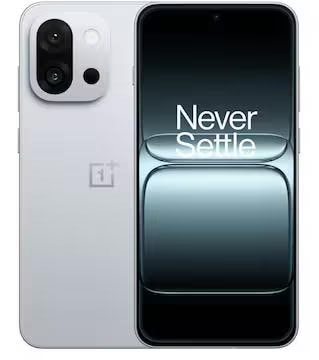


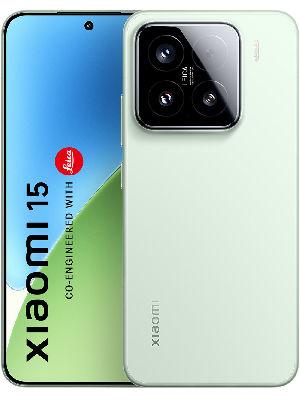
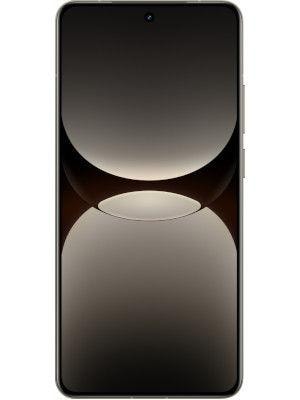

OnePlus 13s review: For years, compact mobile phones have carved out a niche among users who prefer a device that fits comfortably in one hand without sacrificing core performance. In past, we’ve seen a lot of devices like the iPhone SE (4.7-inch), Sony Xperia XZ2 Compact (5-inch), and the Pixel 4a (5.8-inch), among others. These devices garnered praise for their portability, ease of use, and pocket-friendly design, though they often faced criticism over limited screen space or outdated features compared to larger flagship smartphones. Although we’ve seen a couple of launches recently, like Galaxy S25 and Xiaomi 15, which can also be seen as a flagship, but to get these models, one may have to sell their kidneys (just kidding).
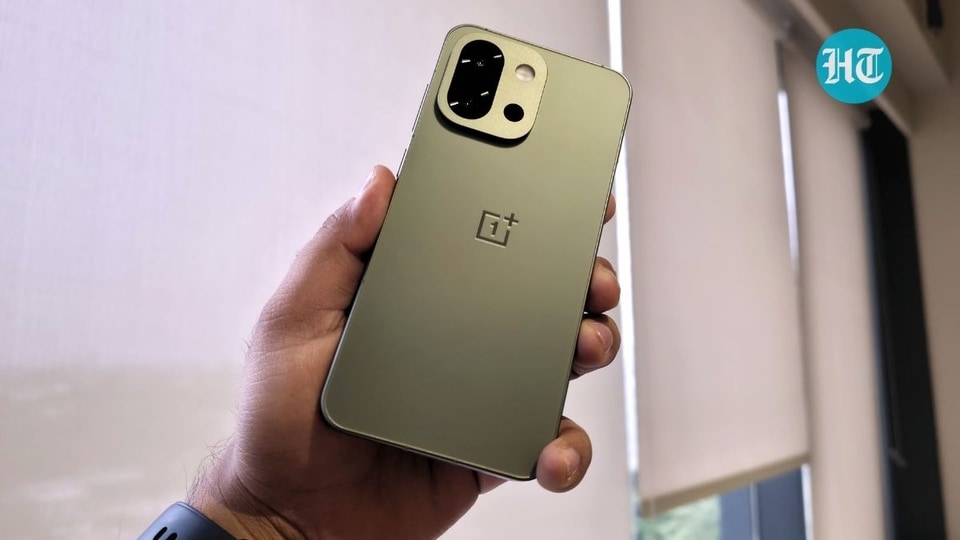

While the industry trend has leaned toward larger displays, many users, including me, still seek the sweet spot between size and speed. That’s where the OnePlus has come to rescue with the recent launch of the OnePlus 13s. The device comes packed with a 6.32-inch display and the powerful Snapdragon 8 Elite chipset, all in a compact shell. Without doing any further ado, let’s dive into my detailed review to find out how this compact flagship device stacks up to its promises and does the size really matters today.
OnePlus 13s Review: Unboxing and Design
When flagship phones seem to be growing larger by the day, it’s refreshing to see a device like the OnePlus 13s that aims for a more manageable size without compromising what matters. For someone like me who prefers phones that don’t dominate the hand or pocket, the 13s hits a good balance. At just over 150mm tall and 8.2mm thick, it fits comfortably in one hand, and its weight of 185 grams feels balanced rather than feather-light or heavy.
Also read: Samsung Galaxy S25 review: Flagship features in a handful package
Holding the phone for extended periods doesn’t tire the hand, which is something I noticed during long browsing or gaming sessions. The flat frame could have felt sharp, but the slightly rounded edges do their job in averting discomfort. This is a device designed to stay out of the way, which makes it stand out in a sea of bulky flagships.
The aluminium alloy frame makes the phone feel sturdy, and the Velvet Glass finish, particularly on the Green Silk model that I received for review, adds a subtle texture that is uncommon on slim phones. What's more, the IP65 rating means it can withstand dust and splashes, which is always reassuring. In addition, my colleague Aishwarya Panda noticed something interesting on the back: when you scratch it with your nail and then rub it gently with your finger, the scratch mark automatically disappears without leaving a trace.
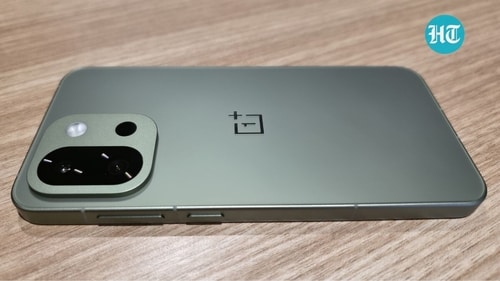
One detail worth noting is the camera module. It’s tucked into the top-left corner and carved from a single piece of aluminium, which keeps it from interfering when holding the phone in landscape mode.
In terms of physical ports and buttons, however, OnePlus has shaken things up by replacing its signature alert slider with a new 'Plus Key'. This button keeps the quick access to sound profiles but adds customisation options, letting users assign functions like launching the camera or turning on the flashlight. The idea clearly takes a page from the iPhone 16 series’ ‘Action Button’, but OnePlus’s execution avoids feeling like a copy-paste job. And the integration with OnePlus’s AI assistant adds genuine utility, making the Plus Key more than just a gimmick.
Also read: iPhone 16e quick review: Compact but powerful contender
The rest of the controls feel well placed and easy to reach. The only design hiccup I found was the fingerprint sensor’s location. Positioned quite low on the screen, it asks for a bit more thumb stretch than I’d like. It’s not a dealbreaker, but something that may take some getting used to.
In short, the OnePlus 13s doesn’t break new ground in design but shows a mature, thoughtful approach. It’s a phone that feels good in the hand, stays practical, and brings subtle refinements that work well day to day.
OnePlus 13s Review: Display

The OnePlus 13s features a 6.32-inch AMOLED display with a sharp Full HD+ resolution of 2640 x 1216 pixels. The panel may not sound large on paper, but the slim bezels make the screen feel more spacious than expected, and it gets the basics right without trying too hard.
On the other hand, the screen performs well in various lighting conditions, reaching up to 800 nits typically and peaking at 1600 nits in High Brightness Mode. Although it doesn’t have a dedicated anti-reflective coating, glare stays manageable, even under direct light, and viewing angles remain consistent.
Furthermore, the 120Hz refresh rate makes navigation feel fluid, and OxygenOS 15 adds a layer of customisation by allowing app-specific refresh rates, even pushing some apps beyond their default. In addition, colour output leans toward vivid tones with deep blacks, which contributes to an overall immersive experience. Features like Image Sharpener and Video Colour Boost also help enhance image quality on supported apps, especially for lower-quality content on YouTube.
To test the display, I binge-watched a couple of shows and movies on the OnePlus 13s, including "Criminal Justice: A Family Matter" and "Captain America: Brave New World and others." Despite their varied colour settings and scenes, I experienced absolutely no hiccups or disturbances. The OnePlus 13s truly delivered an excellent viewing experience, perfectly justified by its size and overall offerings.
Also read: Samsung Galaxy S25 Ultra review: Almost the perfect Android flagship
OnePlus 13s Review: Camera Experince
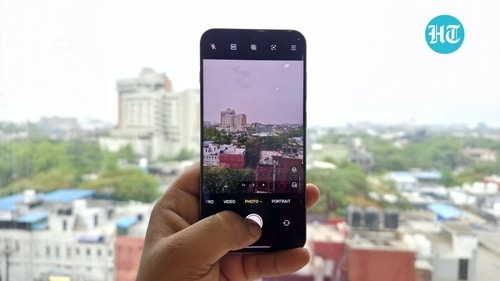
OnePlus 13s features a 50MP primary sensor and a 50MP 2x telephoto lens. Here, OnePlus has taken a different route by choosing quality over quantity. The primary sensor is a 1/1.56-inch Sony LYT-700 with a wide f/1.8 aperture and optical image stabilisation (OIS). It handles daylight scenes well and offers detailed and vibrant shots. However, the colour processing on the OnePlus 13s tends to favour punchiness over strict accuracy, but users can disable it in the settings if they prefer a more natural look.
The secondary 50MP telephoto lens provides 2x optical zoom at an equivalent focal length of 49mm and offers a maximum digital zoom of 4x. During testing, daylight photos maintained solid quality, but low-light performance deteriorated with noticeable detail loss. A useful feature is the built-in macro mode, which uses the telephoto lens to capture close-up shots without needing you to get close to the subject.


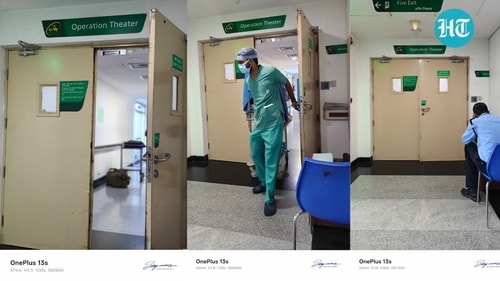
On the other hand, the portrait mode relies on the telephoto camera and does not allow switching between focal lengths, which may limit framing options. Edge detection generally performs well, and the background blur effect appears natural, though autofocus can occasionally miss the mark and require manual adjustments. The telephoto lens produces sharp portraits and mid-range shots but lacks zoom beyond 2x optical, which might be a drawback for users wanting more reach, as you can feel it in the image sample below.
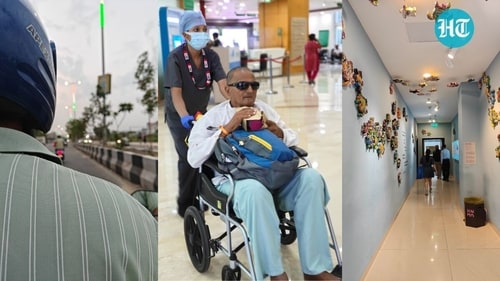



Moreover, one key omission is an ultrawide camera, which many expect on flagship models at this price point. For video, the OnePlus 13s supports 4K recording at 60fps with OIS and Dolby Vision, resulting in smooth and cinematic footage. On the front, the 32MP selfie camera captures sharp images and records 4K video at 30fps.
On the front, OnePlus 13s has a 32MP selfie camera that takes sharp photos and supports 4K@30fps video, which holds up well in most scenarios. In short, the OnePlus 13s offers a competent camera experience with some room for improvement in versatility.
OnePlus 13s: Performance
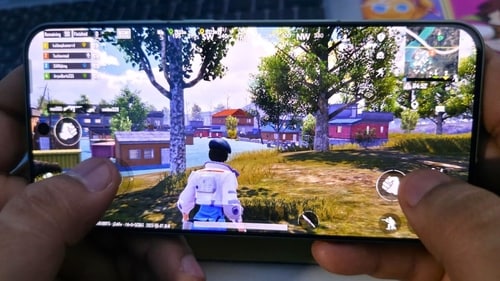
The OnePlus 13s steps into the ring with Qualcomm’s Snapdragon 8 Elite, the most advanced chip in their lineup to date. This SoC powers the device with a CPU clocked at 4.32GHz and pairs with the Adreno 730 GPU. In addition, the device is equipped with 12GB of LPDDR5X RAM and up to 512GB of UFS 4.0 storage. The OnePlus 13s handles multitasking without noticeable slowdowns or app reloads. The combination of hardware ensures the device keeps pace with intensive workloads, offering reliable responsiveness throughout daily use. Out of the box, the OnePlus 13s runs on Android 15 with OxygenOS 15 layered on top, which delivers a simple and efficient user interface.
To test how the OnePlus 13s delivers on its promises. I get it through multiple everyday tasks like web browsing, switching between apps, scrolling reels on Instagram, and media consumption, among others. I noticed app reloads were infrequent, which helped maintain a seamless experience during longer sessions of mixed activities.
Also read: Oppo Reno 13 Pro 5G review: Well-balanced smartphone with AI smarts, but not without trade-offs
During my gaming sessions, the OnePlus 13s shows its strength clearly. Titles like Genshin Impact and BGMI run on the highest graphics settings with stable frame rates and no noticeable lag. The device maintains consistent gameplay even during longer sessions, which is impressive given its compact design.
OnePlus also adds useful features tailored for gamers, like bypass charging to maintain battery health during play, and a floating Game Control Centre. This hub lets users fine-tune GPU settings, including MSAA samples and anisotropic filtering, giving you fine control over graphics performance. These additions make the OnePlus 13s a serious contender for those seeking a compact yet powerful gaming phone.
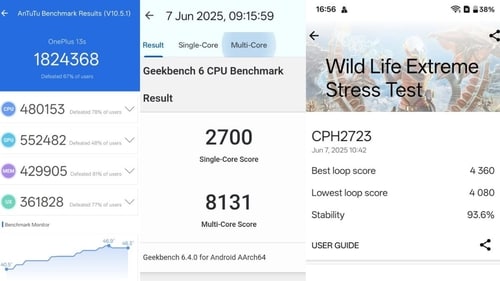
On benchmarks, the OnePlus 13s performs well with an AnTuTu score of 18,243,68 and GeekBench 6 single-core and multi-core scores of 2,700 and 8,131, respectively. During the Wild Life Extreme Stress Test on 3DMark, the phone achieved a best loop score of 4,360 with 93.6% stability.
OnePlus 13s Review: AI Tools You Might Actually Use
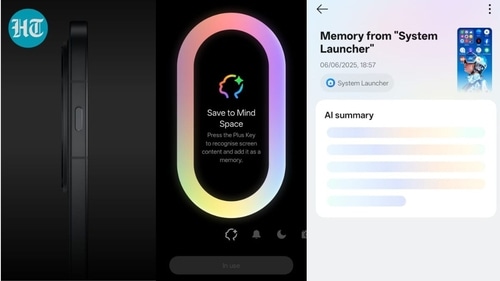
AI features on smartphones often feel like gimmicks, but with the OnePlus 13s, that narrative shifts. I started using the device without expecting much from its AI features. But within a few hours, one particular tool - 'AI Plus Mind' had changed that assumption.
Here’s how it works: you take a screenshot, and AI Plus Mind jumps in, pulling out useful data like phone numbers, dates, and addresses. You can tap to save a contact, add an event to your calendar, or locate a place on the map, all without switching apps or copying and pasting. You can access it using the new Plus Key or a three-finger swipe. It's essentially a screenshot assistant that does more than just capture the screen, it interprets it.
Other AI tools follow the same principle: keep things simple but functional. AI VoiceScribe can transcribe, summarise, and even translate voice conversations from platforms like Zoom, WhatsApp, or Google Meet. AI Call Assistant adds live translations and summarises calls using the OnePlus Dialer - a feature tuned specifically for India. Then there’s AI Search, which helps dig up content buried on your device, and AI Reframe, which refines photo compositions automatically.
Also read: Tecno Phantom V Fold 2 review: Promising foldable but far from benchmark
On the other hand, one feature to watch is AI Best Face 2.0, designed to fix closed eyes or awkward expressions in group photos. The built-in AI Translation app can translate not just text, but also overlay live translations over any app, including audio and on-screen content.
Beyond AI, the OnePlus 13s offers strong connectivity options. It supports 5G, Wi-Fi 7, Bluetooth 5.4 with aptX HD and LHDC 5, NFC, and includes an infrared port. The G1 Wi-Fi chip helps maintain stable connections in crowded networks. A 360-degree antenna array with 11 modules works to reduce interference and strengthen the signal, which benefits activities like gaming and streaming.
OnePlus 13s Review: Battery and Charging
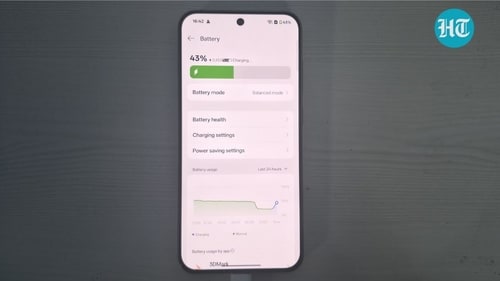
Battery life is often the quiet backbone of a smartphone experience, and the OnePlus 13s holds up well in this area. With a 5,850mAh unit inside a compact frame, it managed to get through a full day of work, entertainment, and calls without any trouble. Even with screen time spread across social media, video streaming, and occasional gaming, there is still enough battery power left for the evening without needing an urgent recharge.
The phone supports 80W wired charging using the included SUPERVOOC adapter. The device charges from near-zero to full in just over 40 minutes, with a noticeable amount of fuel being added within the first half-hour. This makes it ideal for those who need a quick charge before going out. However, the absence of wireless charging could be a downside for those who expect it in this segment.
Also read: Apple iPad mini 7 review: Tiny tablet, mighty potential
Final Verdict
If you prefer a compact phone that fits comfortably in your hand and pocket, the OnePlus 13s delivers just that. Priced at Rs. 54,999, it offers strong performance with its Snapdragon 8 Elite chipset and a sharp 6.32-inch display. Useful AI features and the customisable Plus Key add practical value, while reliable connectivity supports everyday convenience.
However, the phone has some drawbacks. It lacks an ultrawide camera, which limits photography options compared to similarly priced mobile phones. The fingerprint sensor’s lower placement and missing wireless charging support could be a dealbreaker for some in this segment. If you prefer a larger screen for media consumption or other work, or if you want the latest bells and whistles, there are many alternatives in this range with bigger displays that might suit you better.
In short, the OnePlus 13s is a solid choice for users who want flagship-level power and essentials in a smaller, easy-to-handle device. Those seeking more camera flexibility or premium extras should explore other alternatives.


