E-Paper



Tim Cook and Apple’s Design Team Explain the ‘Shockingly Thin’ iPhone Air
As Apple releases its lightest, leanest iPhone, the company explains the thinking behind its ultra-slim design


 Prefer HTon Google


Molly Anderson wants to make it hard for you to pick your next phone.
As Apple’s vice president of industrial design, she’d like it to be an iPhone, of course. But this year she wants to make the job a little tougher than just grabbing an upgraded version of whatever model you already carry.
Her weapon of choice? The iPhone Air, announced at Apple’s annual launch event on Tuesday at the company’s headquarters in Cupertino, Calif.
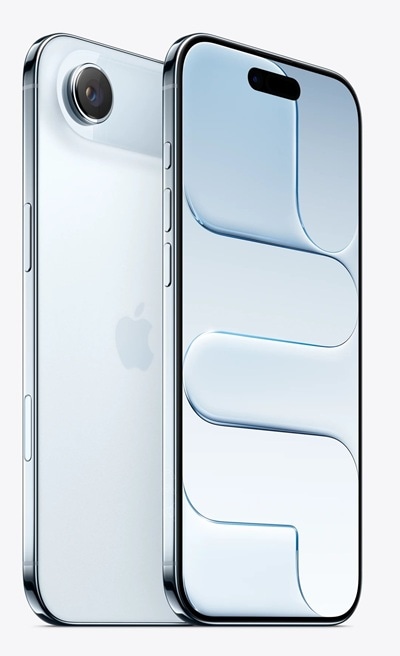
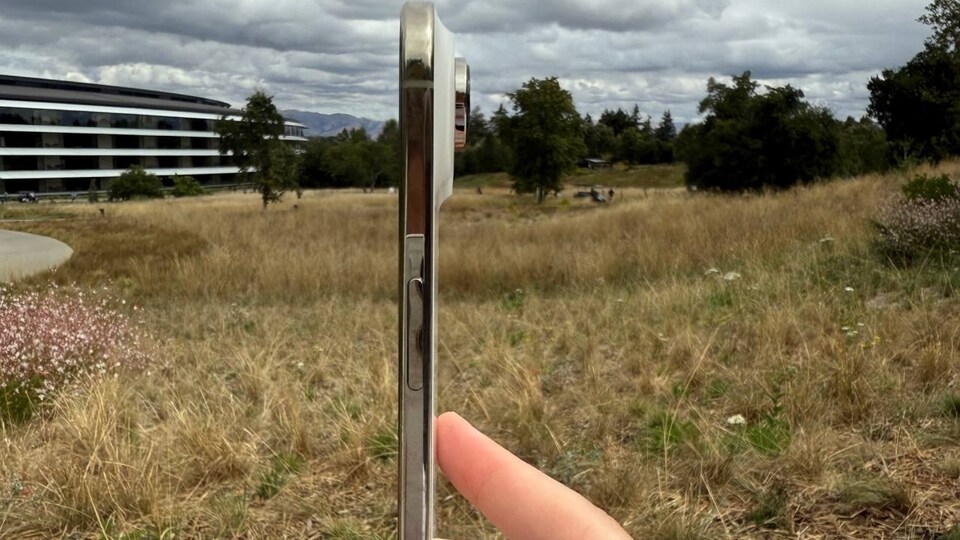
The Air is exactly what it sounds like: a razor-thin phone. “It’s something that we dreamed about for a long time,” Anderson said, “to make just an incredibly, shockingly thin iPhone.”
Strong words, but hard to argue with: At 5.6mm, front to back, the Air is thinner than a Cartier “Love” bracelet in “classic” size and only a touch thicker than three quarters stacked together—an iPhone for the Ozempic era.
“It does seem like it’s going to fly away when you’re holding it,” Apple chief executive Tim Cook said in a one-on-one interview a few hours after his keynote. As Alan Dye, Apple’s vice president of human interface design and Anderson’s co-leader of the whole design crew put it, the Air represents another step “towards that singular piece of glass that Steve Jobs talked about back in the day.”
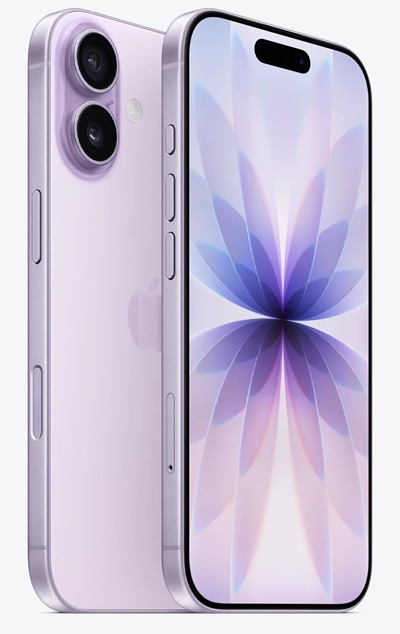
Apple says it made several design tweaks to ensure that the Air’s size won’t compromise performance, but at nearly 36% thinner than the new iPhone 17 Pro, it doesn’t boast its sibling’s battery life or camera quality. The company is making a different wager with the Air, one staked less on functionality and more on vibes: They hope you’ll want to pick one up because you think it’s the most stylish device on the market.
‘It does seem like it’s going to fly away when you’re holding it,’ Tim Cook said about the Air, shown here with the Bumper case.
This trade-off—power or poise?—will place many buyers in the horns of a dilemma. And that’s OK with Anderson, a soft-spoken Brit who, when we met the day before the launch event, wore gold jewelry, an Apple Watch and a crisp pair of split-toed Margiela shoes.
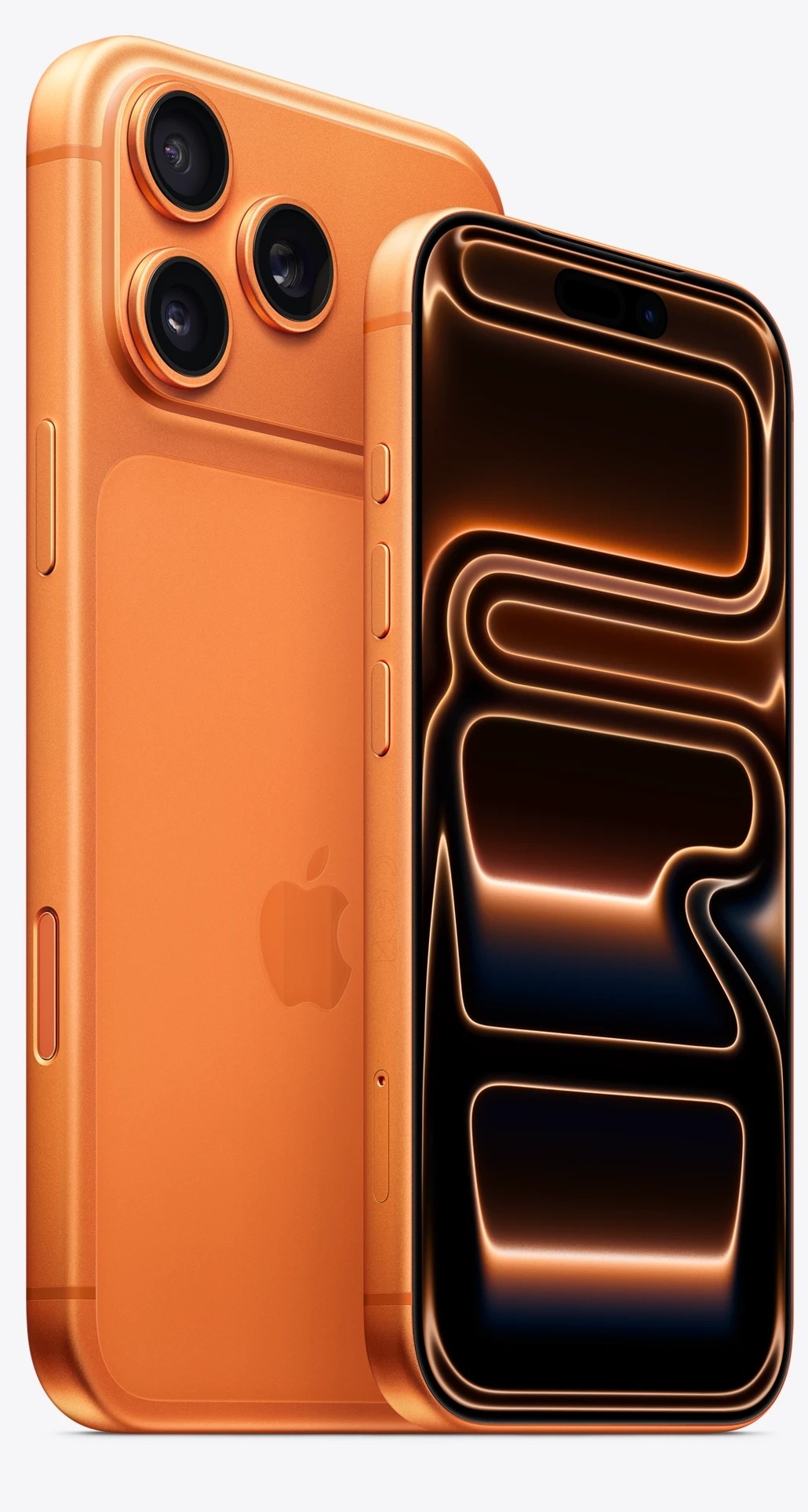
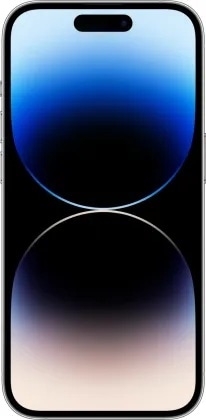
“I like that it’s a hard choice,” she said, contrasting the Air with the sturdier Pro series, a workhorse for photographers, filmmakers and content creators. As if to communicate its competence, the new Pro is available in a traffic-cone hue that Apple calls “cosmic orange.” (It also comes in silver and dark blue.)
For some of the tech-world observers who were snapping selfies outside Steve Jobs Theater, the decision is already starting to come into focus.
“[The Air] is the one I was instantly attracted to. Like, I want to move to that, because it just looks so cool,” said Lev Tanju, the co-founder of the London skate brand Palace. Introducing the Air, he said, is a classic Apple move: “They’re just the kings of inventing stuff that you didn’t know you needed. I didn’t need a thinner phone, but now I’m like, S—, I need a thinner phone.”
Tanju is exactly the sort of figure Apple hopes will be beguiled by the Air’s ethereal look; he was already wearing an Apple Watch (on a bracelet from Chrome Hearts, the Hollywood silversmiths beloved by rock stars and creative directors) as we chatted in one of Apple Park’s leafy atria.
Although the Pro would be his logical choice, given his work across the fields of skateboarding, fashion and image-making, he was already having second thoughts. “I do zoom in a lot, so I like the Max,” he said. But the Air’s appeal was such that he started spinning its limitations. “It just means I’ll have to walk a bit closer,” he said.
‘It’s something that we dreamed about for a long time,’ Apple’s Molly Anderson said, ‘to make just an incredibly, shockingly thin iPhone.’
Deyan Sudjic, the director emeritus of the Design Museum in London, noted the unique challenge Apple faces every year. “It’s an impossible task, to be expected to reinvent the most extraordinary innovation that was the original smartphone,” he said. With former Apple chief design officer Jony Ive now working with OpenAI chief executive Sam Altman on an as-yet-unannounced AI-powered device, he noted, the new phone “tries to rekindle that in very different circumstances.”
In conversation, Anderson referred a few times to the idea that a phone isn’t a thing you merely have or use, but something you wear. In that spirit, alongside the Air, Apple is releasing a series of cases and cross-body straps that will allow owners to turn their phones into proper accessories.
“I was surprised to find that ‘thin is in,’ as it were, has made its way to the tech market from the fashion space,” said stylist Gabriella Karefa-Johnson. “It might be the only time that I subscribe to that mantra, because as handbags [have gotten] smaller and my phone got bigger, organizationally it posed some problems. Even though there’s nothing functionally wrong with my current phone, I probably will get the Air.” (Karefa-Johnson has styled fashion features for WSJ. Magazine.)
Anderson and Dye separately mentioned seeing younger iPhone users wearing their phones in interesting ways, and plenty of brands sell strappy phone accessories. That’s not new.
What is new is Apple opening the window just a crack and accepting that folks might use their iPhones not in ways prescribed in Cupertino. “When something becomes so much a part of you, it needs to reflect your style,” Cook said. “We’re saying this product is so personal that it needs to reflect you. And you are the best person to decide what that means.”
Alongside the Air, Apple is releasing a series of cases and cross-body straps that will allow owners to turn their phones into proper accessories.
Lena Dunham has long made her phone a reflection of her interests. “I change iPhone cases like I change my mood. For me, it’s about decorating this item that is universal and turning it into something personal,” the filmmaker said a few hours after attending the presentation in California. (Deadline has reported that Dunham has a TV project in development with Apple TV+.)
The Air’s design may be the harbinger of an even more radical change on the horizon: the introduction of a foldable iPhone, which some industry watchers predict could arrive as soon as next year. (“We’re really good at keeping secrets,” Cook said when I asked him about this, saying he preferred to focus on the day’s new announcement.) A foldable device would build on innovations that went into the Air, including its super-light titanium frame.
Unlike the more textured Pro models, the Air’s surface is polished to a highly reflective shine, which Anderson said helps make the device look even thinner. And perhaps more distinctive. “Being able to bring that kind of luster evokes a different sense of what the phone is and how people use it and how they wear it,” she said.
Tanju’s Palace co-founder, Gareth Skewis, likened the options to those in a high-end garage. “It’s industrial design, but it’s like the sports car versus the G-Wagon,” he said, the Pro here taking the place of Mercedes’ luxury behemoth.
It’s a decision that many of Apple’s billion-plus iPhone users will be weighing over the next week, in anticipation of the phone’s on-sale date of Sept. 19.
“I really think people will struggle with it,” Anderson said. “Because, you know, the Pro is a beautiful and incredible product as well. But I think the lightness, the lean towards style, the idea of not carrying so much weight, is just such a different experience.”
“It might look pretty good if you have a very tightfitting Italian suit, in your inside pocket,” Sudjic said. But thinness has drawbacks, too. “You do wonder whether extreme slenderness is necessarily a desirable thing,” he pointed out. “Every time you go on an aircraft, you’re told not to look for your missing smartphone when it drops into the mechanism of your sliding seat.”
Most of the folks I spoke with at Apple Park—especially the ones employed by Apple—said they’d probably wind up using both the Pro and the Air. (Nice work if you can get it!) “It will depend on how I feel,” Cook said, acknowledging the unique privileges of his office. He’ll pick up the skinny phone, he said, based on “whether I want to float through the air.”
Personal style, though, is personal. Sometimes you just like what you like. Dunham explained that she gives priority to a phone with the best possible camera, and beyond that prefers her tools to feel substantial.
One other factor clinched it—a color choice that reminded her of something else in the air. “I have to say, the new bronze-orange Taylor Swift ‘Life of a Showgirl’-era iPhone Pro? That’s where my eyes wander,” she said.
Write to Sam Schube at sam.schube@wsj.com