
 E-Paper



Heart attack vs. stroke: Cardiologist Dr Nicole Harkin explains why heart-healthy habits also protect your brain health

 Prefer HTon Google


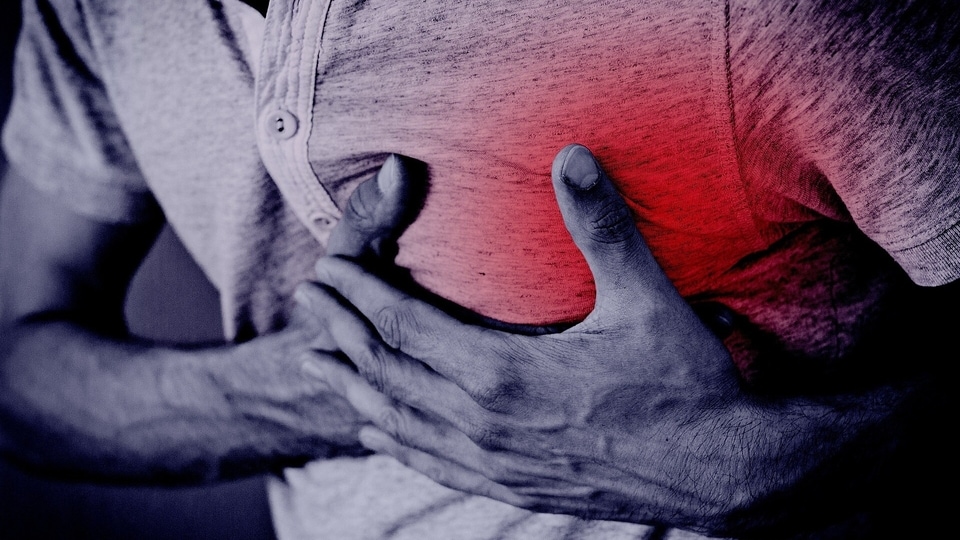
Heart attack and stroke are both life threatening emergencies, but are different in nature. Dr Harkin shares why protecting your heart matters for the brain.
A heart attack and a stroke are often spoken about in the same breath – and for good reason. Both are life-threatening medical emergencies that require immediate attention, yet they are not interchangeable. Despite sharing many risk factors, the two conditions develop differently, and understanding those differences can help you recognise an emergency sooner, seek timely treatment and potentially save a life.
Dr Nicole Harkin, a San Francisco-based cardiologist, internal medicine specialist and founder of Whole Heart Cardiology, is breaking down the key differences between a heart attack and a stroke. In an Instagram video shared on 3 December 2025, she explains, “Heart attack vs. stroke – two emergencies, one major difference: where the blood flow gets blocked. Understanding the difference can save a life.”
What is a heart attack?
The Mayo Clinic describes a heart attack, or myocardial infarction, as a condition that occurs when blood flow to the heart is suddenly blocked, most commonly by a blood clot that forms over a build-up of fatty cholesterol deposits in the arteries. This interruption deprives the heart muscle of oxygen, leading to damage or the death of heart tissue. A heart attack is a life-threatening medical emergency that requires immediate diagnosis and treatment.
According to Dr Harkin, “A heart attack refers to decreased blood flow to the heart, typically because of a blockage within the artery of the heart. By far the most common cause of this is atherosclerosis. Essentially this is just when there is a plaque in an artery that actually ruptures and causes decreased blood flow to the heart acutely leading to a heart attack.”
What is a stroke?
As per the American Stroke Association, a stroke occurs when a blood vessel supplying oxygen and nutrients to the brain becomes blocked by a clot or ruptures, interrupting blood flow to part of the brain. Without an adequate supply of oxygen, brain cells begin to die within minutes, potentially causing permanent brain damage. A stroke affects the arteries leading to and within the brain and is a life-threatening medical emergency that requires immediate treatment.
Dr Harkin explains the condition as, “A stroke, on the other hand, is decreased blood flow to the brain and this is actually a lot more multifactorial. So about 80 percent of all strokes are due to what we call ischemia or this sudden decreased blood flow because of a blockage essentially. The other 20 percent are because of bleeding within the brain or haemorrhage.”
Causes of ischemia
Ischemia is a medical condition in which a part of your body does not receive enough blood flow, leading to a critical shortage of the oxygen and nutrients that tissues need to function properly, according to Cleveland Clinic.
Dr Harkin outlines the following causes that can contribute to ischemia:
- Rupture of plaque: This can occur in large blood vessels, such as the carotid artery, or in smaller blood vessels within the brain.
- Atrial fibrillation: In people with this condition, a blood clot can form in the heart and travel to the brain, where it blocks a blood vessel and reduces blood flow to the brain.
Support your heart to protect your brain
The cardiologist adds that heart attacks and strokes share many of the same risk factors, which is why the heart-healthy habits recommended by doctors are equally important for protecting brain health.
Dr Harkin concludes, “Both a stroke and a heart attack share many common risk factors. So when we're talking about reducing your cholesterol, your blood pressure, or improving your metabolic health, increasing exercise, optimising your diet, all of these things are not only good for the blood vessels in the heart, but also those in the brain.”
Note to readers: This article is for informational purposes only and not a substitute for professional medical advice. It is based on user-generated content from social media. HT.com has not independently verified the claims and does not endorse them.
Nicole Harkin, MD, FACC, is a San Francisco-based preventive cardiologist board-certified in internal medicine, cardiology, echocardiography, nuclear cardiology, and clinical lipidology. She received her MD from Boston University School of Medicine and completed her Internal Medicine Residency Program at Columbia University Vagelos College of Physicians and Surgeons.


Catch your daily dose of Fashion, Taylor Swift, Health, Festivals, Travel, Relationship, Recipe and all the other Latest Lifestyle News on Hindustan Times Website and APPs.


