
 E-Paper



Sir HN Reliance Foundation Hospital psychiatrist reveals if screens cause 'brain damage' in kids and what parents can do

 Prefer HTon Google


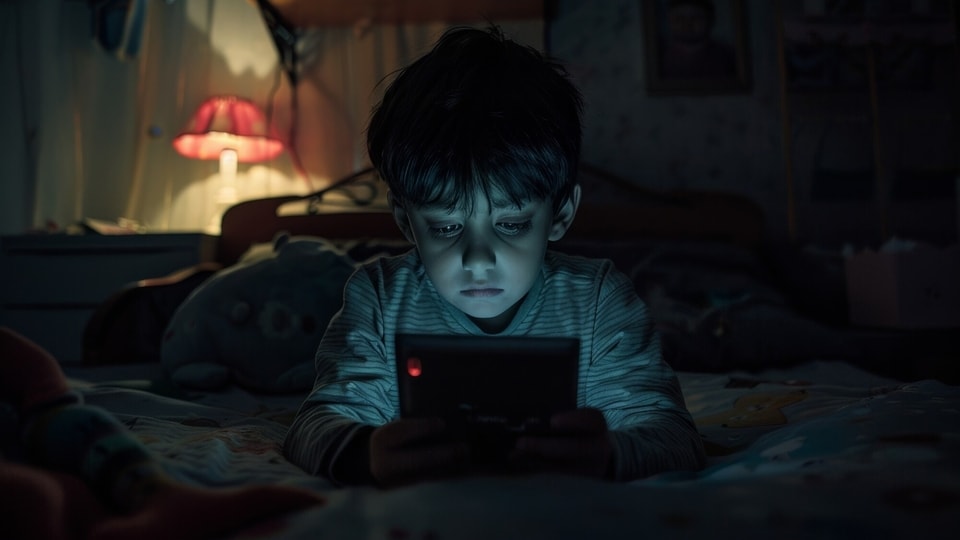
Dr Ashutosh Shah offers a nuanced perspective on a topic every parent worries about: screen time. Find out if and how early screen use is stunting your child.
Doctors say kids who spend too much time on screens miss out on important ways to learn and grow. Now, Dr Ashutosh Shah, a consultant in psychiatry at Sir HN Reliance Foundation Hospital, Mumbai, has offered a nuanced view of how excessive technology use affects the physical, social, and neurological trajectories of developing children. Also read | More screen time leads to speech delays in toddlers: Study
Physical toll of excessive screen time
While many parents worry about the abstract effects of technology, in an interview with HT Lifestyle, Dr Shah shared that the physical consequences are already clinically documented. He highlighted that 'sedentary life with weight gain, bad posture, and eye strain are examples of scientifically well-supported symptoms'. However, he cautioned parents against mislabeling every tantrum as a clinical disorder.
"Behavioural irritation following screen removal is real and may indicate habit disruption rather than addiction," Dr Shah explained. "Crucially, the majority of paediatric research demonstrates correlations rather than causation. Therefore, these indicators point to a problem but do not prove that screens are the only source," he added.
Developmental delays
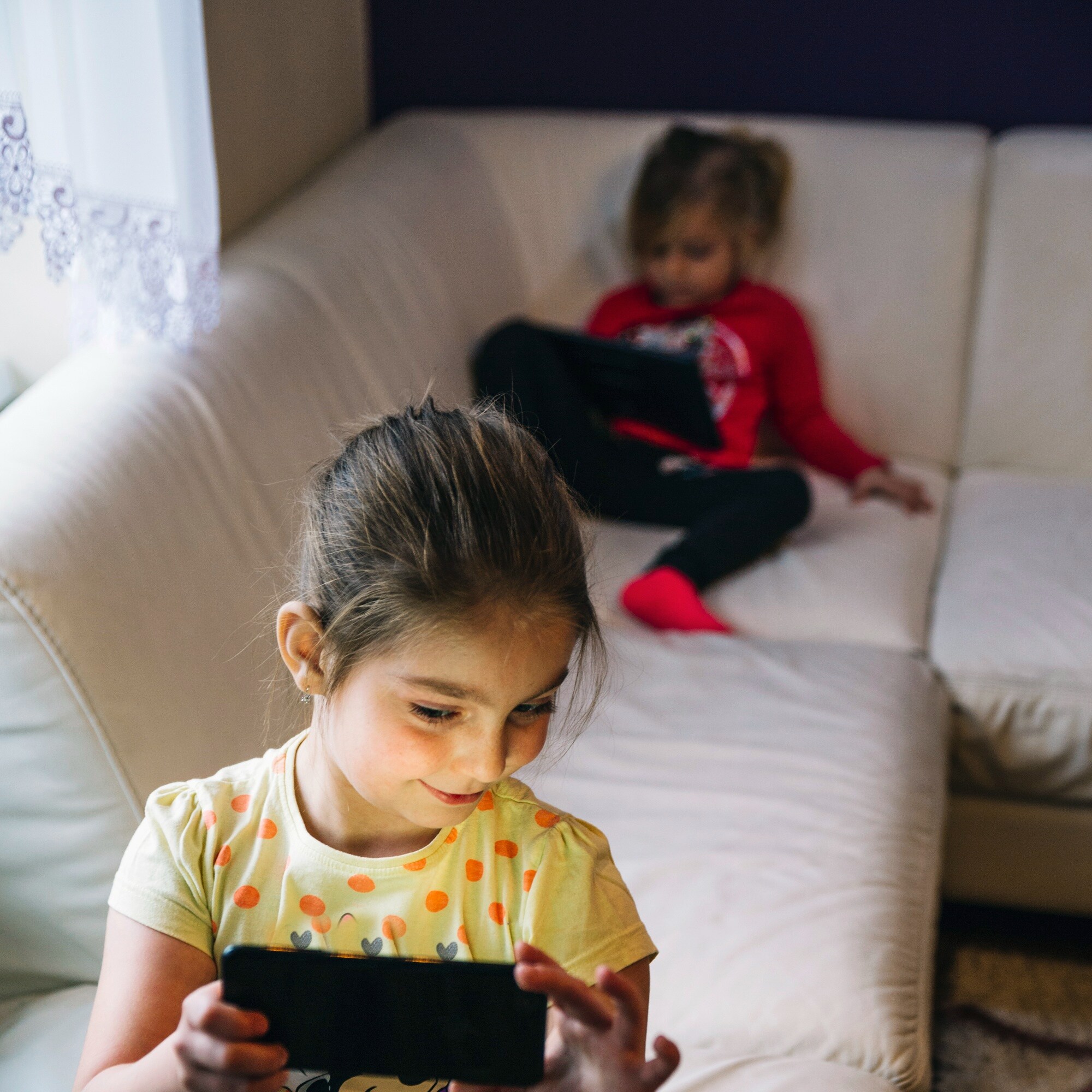
One of the most pressing concerns for new parents is whether screens hinder speech and attention. Dr Shah suggested that the harm often comes from what the screen replaces — specifically, human interaction. He said, "Reduced parent-child verbal engagement is linked to background TV use and passive video watching in children under two, and this reduction probably results in delays rather than screens."
Speaking of the impact on attention span, he added, "There is some evidence that fast-paced media content can cause attention problems in older kids, though the exact cause remains under debate." His professional verdict on these developmental fears was: "Reasonable worry, not entirely validated."
Sleep, sight, and the 'brain damage' myth
The impact on biology is more direct for rest and vision. Dr Shah shared that 'pre-bedtime stimulation with light has been shown to disturb sleep', and added that 'excessive near-work screen use increases the incidence of myopia, or short-sightedness'.
However, he was quick to debunk more alarmist claims regarding 'brain rot'. "Claims about impact on brain development are more difficult to prove; while early childhood brains may require a variety of stimuli, there is now little human evidence to support direct 'screen damage' to brain structure in otherwise healthy children," Dr Shah said.
The danger of 'missed play'
Perhaps the most significant insight Dr Shah shared is the concept of the 'opportunity cost' of digital life. The primary danger isn't necessarily the content on the screen, but the physical experiences being sacrificed.
"From a scientific standpoint, this is possibly the biggest worry," Dr Shah stated, and added, “It has been demonstrated that unstructured physical play fosters the development of motor abilities, executive function, creativity, and emotional control.” He shared that because time is a finite resource, 'the potential cost of missed play is the harm, not the toxicity of screens. This distinction is important'.
Guidance for parents
For parents navigating the 'digital wild west', Dr Shah advocated for a middle ground. While teenagers, particularly females, may face 'anxiety and sadness as a result of heavy social media use', the evidence for younger children remains contentious, he said.
Dr Shah’s recommendations:
⦿ Monitor moods: according to the doctor, watch for withdrawal and mood swings, but don’t 'reflexively blame screens' without looking at the bigger picture.
⦿ Prioritise balance: focus on the 'most scientifically sound concerns', which include sleep hygiene and myopia prevention, he said.
⦿ Avoid panic: "There is currently little scientific evidence to support dramatic assertions about 'brain damage' from screens. Balance and targeted use of screens, not panic, is still the safest course of action," Dr Shah concluded.
Note to readers: This article is for informational purposes only and not a substitute for professional medical advice. Always seek the advice of your doctor with any questions about a medical condition.


Catch your daily dose of Fashion, Taylor Swift, Health, Festivals, Travel, Relationship, Recipe and all the other Latest Lifestyle News on Hindustan Times Website and APPs.


