
 E-Paper



Padmavati’s Chittorgarh Fort is one of the greatest forts ever built. Here’s why

 Prefer HTon Google


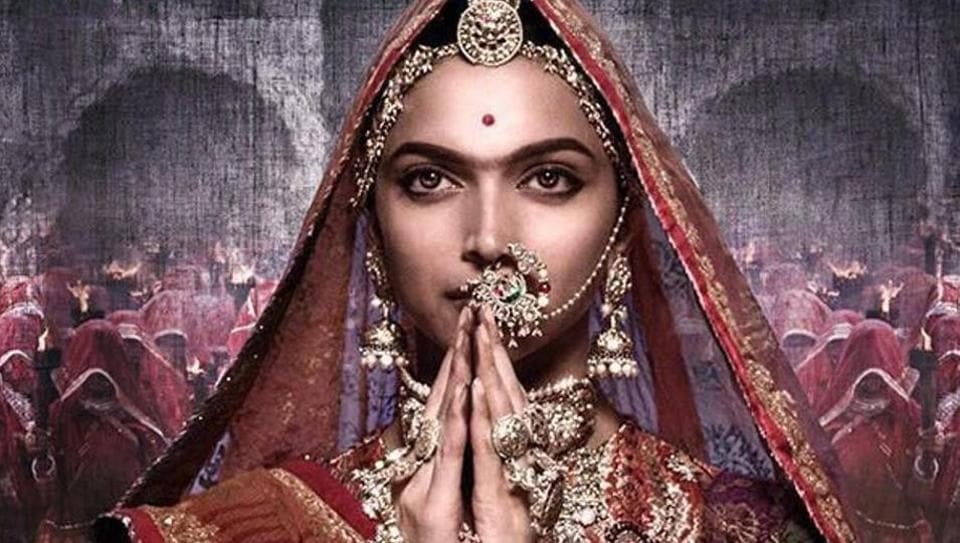
By any standard, Rajasthan’s Chittorgarh Fort is a very big building - and digging into the architectural and historical backstory of the ornate fort, where Sanjay Leela Bhansali’s upcoming Padmavati is set, was a lot of fun. Here are a few choice details.
We couldn’t be more excited about Sanjay Leela Bhansali’s upcoming Padmavati. And what better way to prepare for the history-drama than to get to know the star of the film a little better? No, not Rajput Queen Padmavati, aka Padmini, but the legendary Chittorgarh Fort itself, where the film is set.
The spectacular fort in southern Rajasthan promises to bring a bit of Indian history into the lives of millions of viewers and reinvigorated interest in the 7th-century property. Once a safe harbour from the enemy and a symbol of overwhelming power and rare heights of luxury - from long corridors and palatial rooms, filled with medieval paintings, armoury, murals and stained glass to great panoramic views - today, the fort attracts visitors from around the world.
A witness to many dramatic and tragic events, visually-compelling, of an impressive size, having historic and cultural value, the impressive fort with its palace complexes, gates and temples doesn’t cease to amaze.
So, what do you not know about one of the most famous forts in India? Read on for a few fascinating facts about this magnificent Chittorgarh landmark before you watch the Deepika Padukone-movie.
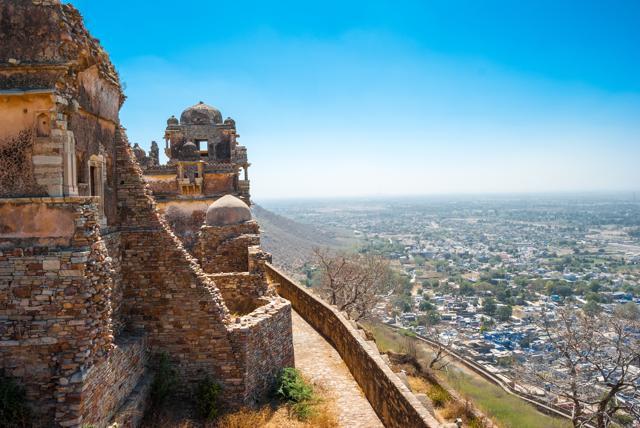
1. The largest fort in India covers 700 acres atop a 590-foot-tall hill, complete with towers and walls that have stood since the Maurya Empire rulers built it near Udaipur, in the 7th century. Fort Chittorgarh, also dubbed the Fort of Chittor, has a one-mile-long twisty road leading to it with seven gateways guarded by a watch tower and iron-spiked doors. While only 22 of the original 84 bodies of water within the fort still exist, according to popularmechanic.com, almost half of the fort’s space was covered by water at one time. Enough of a reservoir to hold about one billion gallons of water and, with rainfall, enough to maintain an army of 50,000 for four years without fear of thirst.
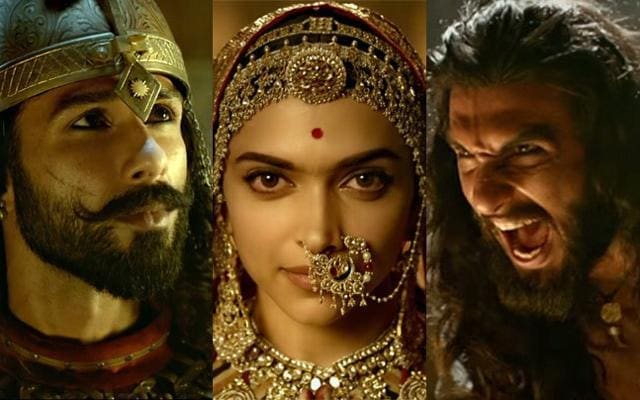
2. Like most famous forts and palaces, Chittorgarh Fort is just as magical and associated with legends and myths of its own. The legend of Queen Padmavati is a tale of lust and war, which unfortunately ended in tragedy. The story of Padmavati, who immolated herself to allegedly escape one of the most powerful rulers of the Khalji dynasty of Delhi Sultanate, Allaudin Khilji, has made for interesting folklore and ballads. But who was Padmavati? Rajasthani lore says Padmavati was the queen of Chittor, a woman beautiful beyond words. The first reference of the gorgeous queen of Chittor is in Padmavat, a poem written by Malik Muhammad Jayasi in 1540, more than 200 years after the death of the Sultan of Delhi Alauddin Khilji. Whether the poet’s artistic work was inspired by reality or was simply a creation of his vivid imagination is contested. The ones convinced about the queen’s being however, believe that Padmavati was Rani Padmini, a princess from Sri Lanka who married Rajput ruler Rawal Rattan Singh and moved to Chittor.
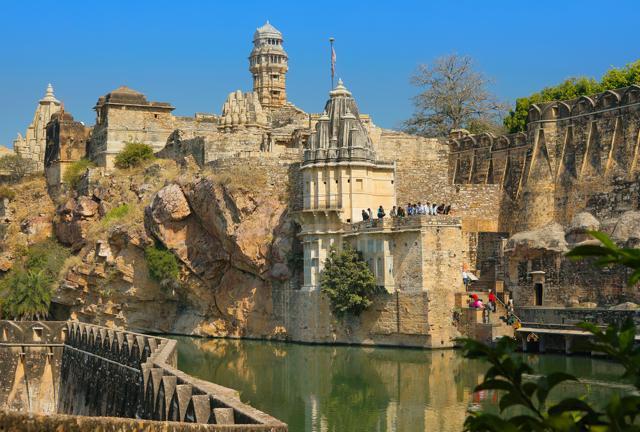
3. With it’s breathtaking scenery - Chittorgarh Fort stands on the top of a hill and on the banks of Berach river - and remarkable architecture - it is a UNESCO World Heritage Site - the fort is truly a real-life magic kingdom. Sitting in southern part of Rajasthan, it is two hours away from Udaipur. Its chief attraction is Padmavati’s Palace, a white, three-storeyed structure (a 19th-century reconstruction of the original). Built on the banks of a lotus pool, this is where Alauddin Khilji was purportedly allowed to glimpse Rani Padmini’s reflection on the water. Besotted, Khilji made up his mind to possess her and waged a war on Chittorgarh in 1303. Or so the legend goes.
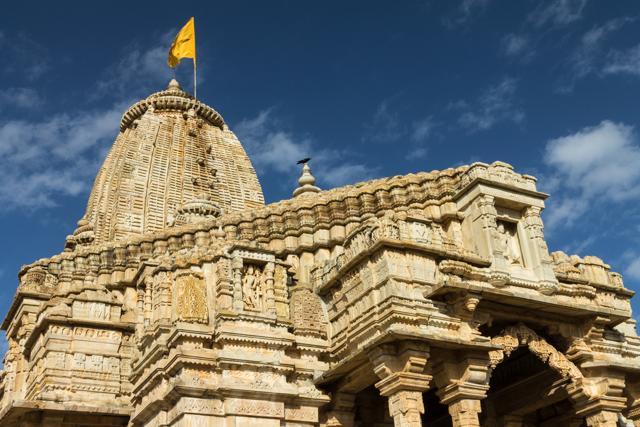
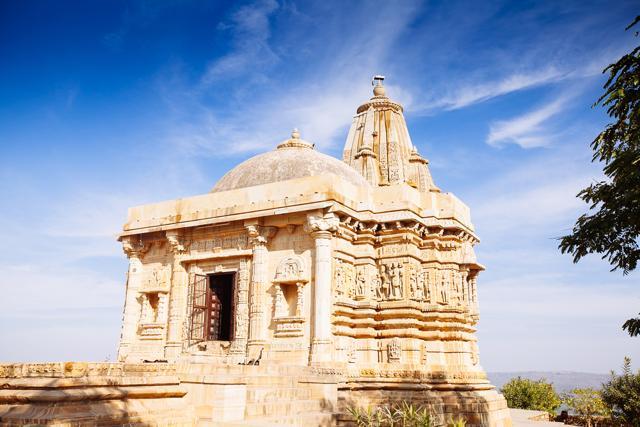
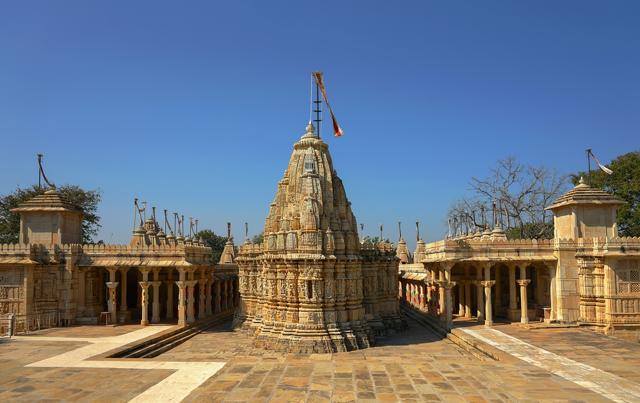
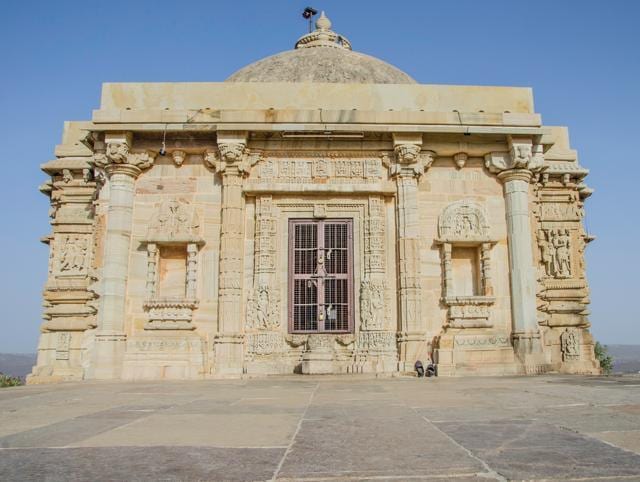
4. Apart from Padmini and Rawal Ratan Singh’s palaces, Chittor Fort houses intricately carved Jain temples, ornamental pillars, Gaumukh reservoir, considered sacred by the locals and Meerabai’s temple where she worshipped lord Krishna. Rana Kumbha’s Palace, one of the most massive monuments in the fort is believed to have underground cellars, where Rani Padmini committed jauhar (self-immolation). Other temples on the fort’s premises include Ganesha Temple, Kalika Mata temple, Sammidheshwara Temple, Meerabai Temple (or Krishna Temple), Kumbha Shyam Temple and Neelkanth Mahadev Temple.
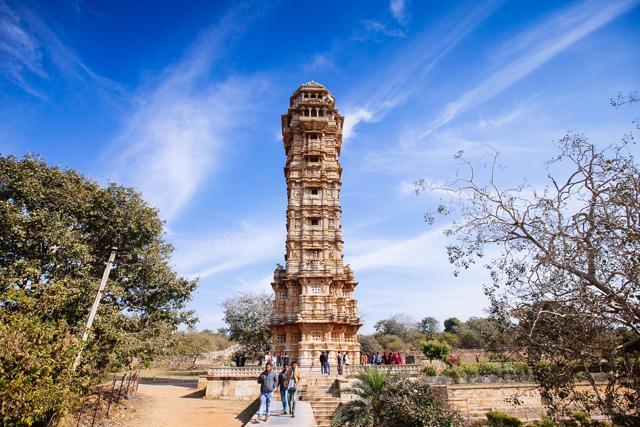
5. Chittor Fort also has two towers, Vijay Stambh and Kirti Stambh,which depict the glorious past of Rajputs. Kirti Stambh or the Tower of Fame was built in 12th century dedicated to the first Jain thinker Adinath ji. Vijay Stambh or ‘the tower of victory’ is one of the most notable structure of Chittorgarh Fort. It was built by Maharana Kumbha to memorialise his triumph over Mohammed Khilji in the 15th century.
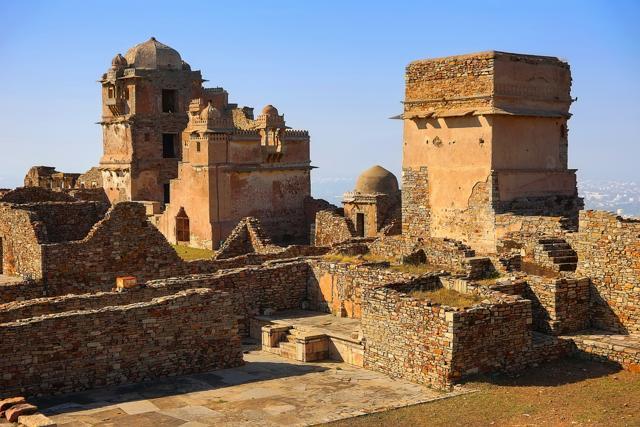
6. Built in 7th century AD by various Mauryan rulers, Chittorgarh Fort is said to have been the capital of the Sisodia and Gahlot kings who ruled Mewar between the 8th and the 16th century. The Chittor Fort was named after Chittrangad Maurya. Chittor fort was attacked thrice and each time it was safeguarded by the Rajputs. It was attacked for the first time in the year 1303 by Allaudin Khilji. Next, it was attacked in 1535 by Gujarat’s Sultan Bahadur Shah. The fort was attacked again for the last time in the year 1567, when the third Mughal Emperor Akbar decided to pressurise Maharana Udai Singh by the siege of Chittorgarh. All these three attacks saw saka and jauhar - collective self immolation - committed by both the men and the women folks, who preferred death over surrender.
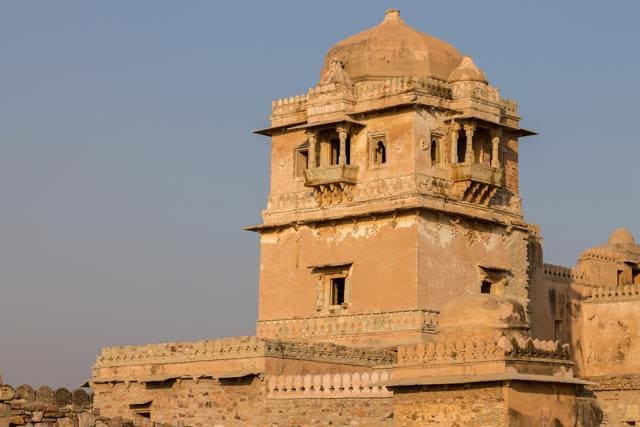
7. You could hire an official guide to show you around the fort and tell stories of Padmavati. But do stay back for the impressive light-and-sound show that takes place every evening (7pm in English and 8pm in Hindi. Timings change with season). The show will bring you more stories of other important characters like Bappa Rawal, saint-poet Meerabai, Rana Kumbha and Rana Sanga (whose queen Rani Karnavati is also said to have performed jauhar when Bahadur Shah ransacked Chittorgarh) and other historical characters from the fort’s history.
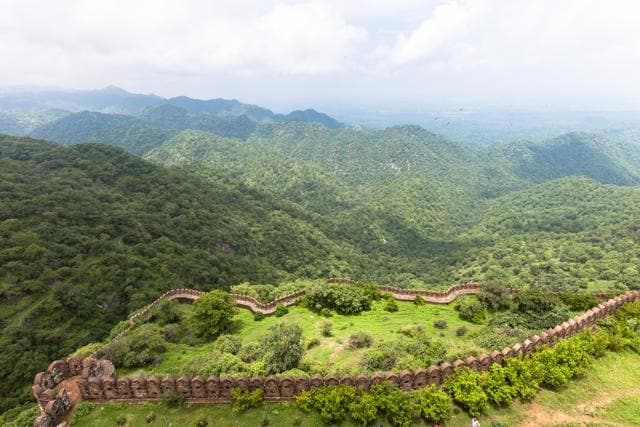
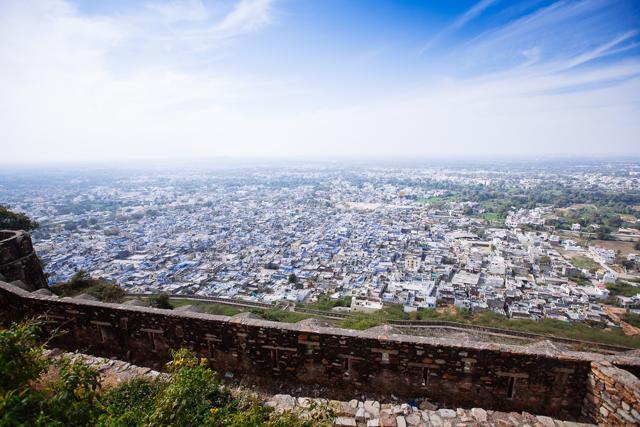
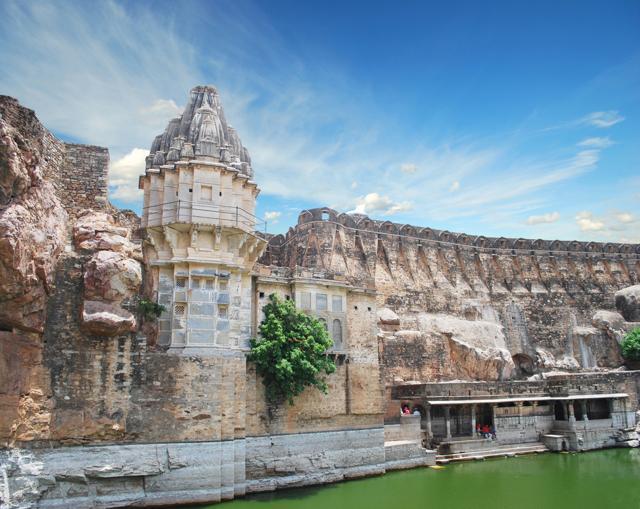
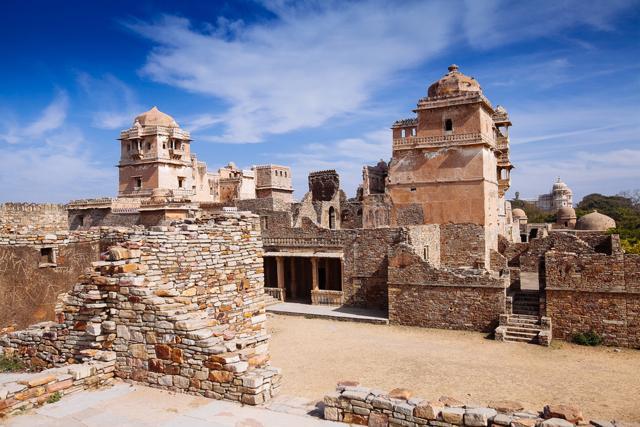
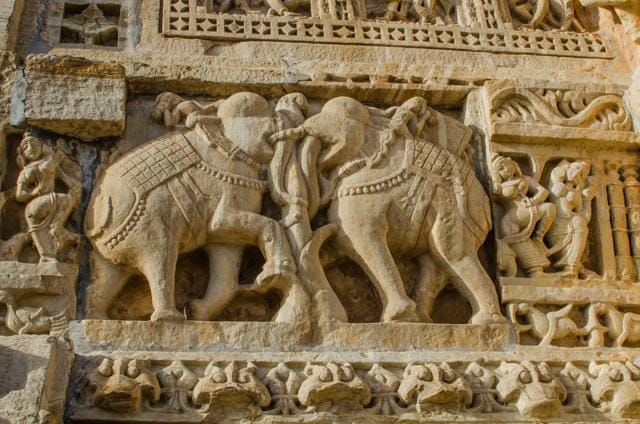
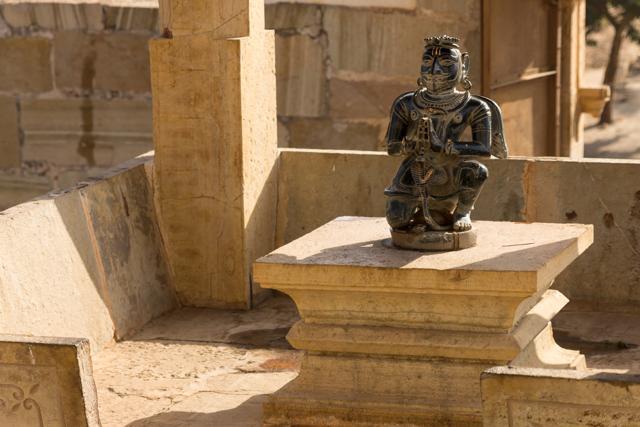
Below are few more architecture-boasting photos of Chittorgarh Fort. Enjoy.
Follow @htlifeandstyle for more


