E-Paper



Rujuta Diwekar takes a dig at ‘rich boys' as Nikhil Kamath sparks 'ghar ka khana' debate
Rujuta Diwekar asserted that home-cooked meals promote health and community ties. Her comments followed Nikhil Kamath's insights on Singapore's cooking culture.

 Prefer HTon Google


Celebrity nutritionist Rujuta Diwekar on Wednesday said eating home-cooked food is a healthy practice that can prevent several diseases and fosters family and community bonding. Diwekar also advised people to “not listen to rich boys”. A day before her post, Zerodha co-founder Nikhil Kamath had sparked a discussion on food consumption habits in India and countries like Singapore.
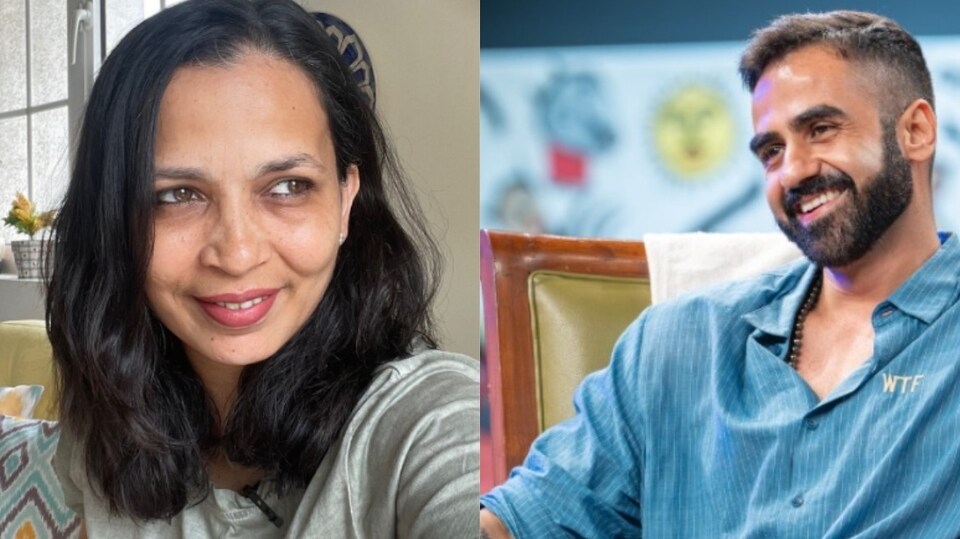
"Do not listen to rich boys, eating at home is a healthy practice. One that can prevent many diseases, lead to sharing between communities, and deepen bond of love and security," Diwekar, who has been the nutritionist to Bollywood stars such as Kareen Kapoor Khan, said in her posts on X and Instagram.
"Learn to cook. Practice it often. Irrespective of gender, age or income. #gharkakhana (home-cooked food)."
What Nikhil Kamath said on Singapore vs India eating culture
A day before Diwekar's message, billionaire Nikhil Kamath shared insights from his recent trip to Singapore, noting that home cooking is virtually non-existent in the island nation, which is the most expensive city in the world.
“I was in Singapore this week; most people I met said they never cook at home, and others don’t even have a kitchen,” Kamath said in his post. He said that if India were to follow this no-cooking trend, investing in or opening restaurants would be a "massive opportunity".
"To my restaurateur friends, if one thing could change to make this industry in India thrive, what would that be?" Kamath said in his social media posts.
Kamath's post ignited a heated discussion, with people comparing the eating-out culture in Singapore and India. Several people pointed out that Singapore has a thriving hawker centre culture, where affordable, clean and healthy food are consumed usually by office-goers. In India, many users pointed out that eating out regularly isn’t sustainable due to concerns over street food hygiene and the high cost of restaurant meals as compared to home-cooked meals.
A user said, “Ghar ka khana (home-cooked food) is an integral part of Indian culture, and I don’t think that will change anytime soon.”
Rujuta Diwekar's thoughts on consuming homemade meals were widely seen as aimed at Nikhil Kamath's take on India's eating habits and its future.
“Rich boys are discovering Singapore now and thinking it’s the panacea for India’s woes,” an X user said.
“Rich boys also advised live on rent while buying their own home. Do what suits you,” another user said, referring to Kamath's stance a few years ago, when he advocted renting a home instead of buying one.
“Thank you! @nikhilkamathcio ‘s post was disappointing,” a person on Instagram said, commenting on Diwekar’s post.
A few users, however, hihlighted that cooking at home is not always practical and employing a cook is not affordable to all.
“So easy to ask people to eat ‘home cooked food’ isn’t it. Who is getting it cooked at the home ? The rich people, while the not so rich are probably juggling multiple jobs managing to get by .. unless of course if u strongly believe that women have to continue staying at home to cook the food,” an Instagram said, reacting to the nutritionist's comments.