
 E-Paper



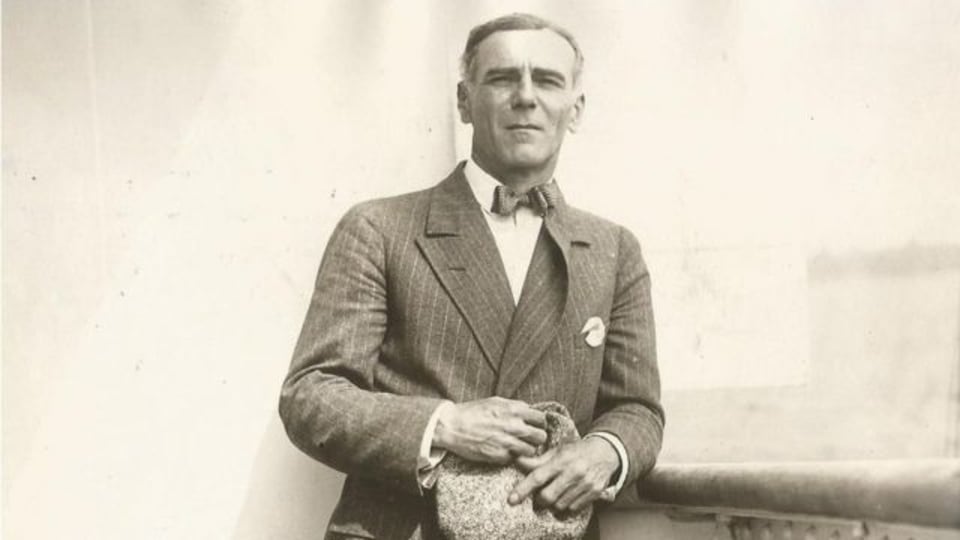
The curious case of Norman Pritchard
From an olympian to an actor, the ultimate question that everyone grapples with to this day: Who was he?

 Prefer HTon Google


Died on 31st October 1929
Neeraj Chopra's recent collab with CRED has everyone buzzing about his acting skills. Not bad for an Olympian. It's unlikely for sportspersons to make their mark in the film industry.
But in the 1900s, there was Norman Pritchard- the wonder athlete turned movie star. You'd think his life was glamorous. But this fast runner's life ended quickly, abruptly, and non-gloriously as opposed to his victorious finish at the 1900 Olympics.
Norman Pritchard was born in Calcutta, India. But a mysterious question looms over everyone's head- who was he? Was he an Indian? Anglo-Indian? or British?
The debate would end much quickly if Norman Pritchard himself would answer the question, but alas! Dead men tell no tales. However, given his roots, he would definitely call himself British or an Anglo- Indian, not Indian.
Nevertheless, Norman was groomed to perfection, and he developed a keen interest in sports. He grew up in the all-whites area of Alipore, was educated in India, and even worked in the jute industry. Before Pritchard went to the 1900 Olympics, he participated avidly in sports events held in Calcutta. But none of this means that he was an Indian by and large.
Do you think that the new Paris Olympics would've reached an Anglo-Indian playing football in Calcutta at that time? Of course not. Norman Pritchard was elected to the London Athletic Club, where he won the Club’s Challenge Cup for 440 yards hurdles, the Club trophies for 100 yards and 120 yards hurdles, thus, defeating the British AAA champion of 1897 in the latter event.
Finally, Pritchard competed in the AAA championships against the American athletes who were gearing up for the Paris Olympics. Since the 1900 AAA championship games served as the qualifying round for the selection of the Olympic team, Pritchard found himself representing Great Britain.
His performance was remarkable. He won two silver medals in the 200 meters race and 200 meters hurdle race. The French Olympic committee showed its appreciation by awarding him a few francs and a penknife!
Upon his return to India, Pritchard was made the Secretary of the Indian Football Association (1900-1902). In 1906, he was in England. However, in 1908, he was listed 'abroad'. It was then that Norman Pritchard ceased to exist. Did he get abducted by aliens? Did the ship he was traveling in get swallowed by the Bermuda triangle? Or did Norman Pritchard fall prey to some criminal activity? To our reliefs, the answer is neither.
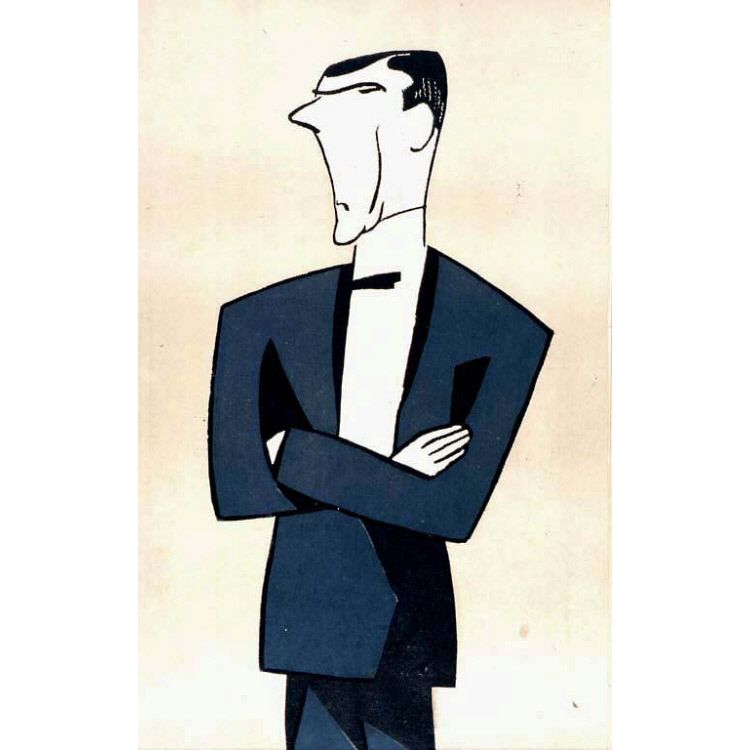
The conjecture remains that Norman Pritchard changed his name to Norman Trevor and scored dozens of movies in Hollywood during its silent era.
Just as theatre is incomplete without its sevens acts, his life ended dramatically when he contracted an incurable brain malady, and he died penniless, abandoned by his family in California. His death marked the end of Norman Pritchard- the Anglo-Indian olympian who won 2 silver medals, and Norman Trevor- the man who transitioned to acting and used his effortless charm and eloquence to establish himself in Hollywood.
The question still remains, who was he? It's a curious case of Identity where no one knows much about him. His distant relatives are all aware of his achievements in sports and acting, clearly, they inherited the sporty genes. But then again, no one knows what Norman was like in real life, how he managed to make a living on a different continent with little to no family, and why he died penniless, abandoned by his wife and daughter.
If the mysteries weren't enough, countless historians have found themselves in the heated crossfire of determining Norman Pritchard's nationality. The Olympic committee lists norman's participation under British India- thus, making him the first and only Indian (Anglo-Indian) to win in the track events at Olympics. Britain argues the validity of this listing because Norman Pritchard was selected during the AAA championships and he did not participate under any flag.
Nevertheless, Britain rejoices in knowing that it produced Olympians since the beginning, and India rejoices in the fact that Norman Pritchard did win medals for India, even if it happened during the colonial rule.
It's a classic case of 'who gets the cherry'. But this is an uncanny case where it's difficult to determine the kind of this cherry. We wish there were more information on this dashing, athletic, and poignant personality, but for now, we make do with his movies and the known facts compiled by historians and the Olympic committee.
This was story was first published on This Day.app.


