OpenAI CEO Sam Altman has dismissed recent criticism of the company’s newly launched GPT-5 model. There’s a growing discontent among users who are comparing the latest AI model to the older versions, claiming that it lacks depth while answering questions and also responds in an emotionally distant manner. Some accused this new model of being a way for the company to lower its costs instead of pushing the boundaries of the frontier.
Also Read: ChatGPT-5 sparks fierce debate after major upgrade: ‘Best AI ever or a huge letdown?’
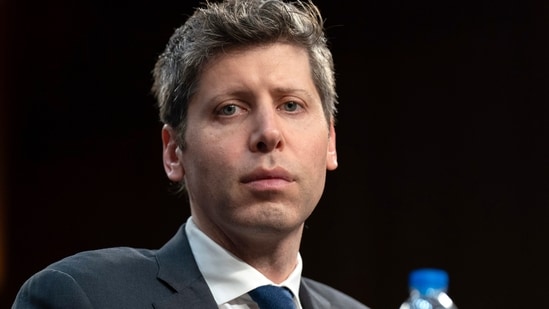
Addressing the criticism, Altman tweeted, “If you have been following the GPT-5 rollout, one thing you might be noticing is how much of an attachment some people have to specific AI models. It feels different and stronger than the kinds of attachment people have had to previous kinds of technology (and so suddenly deprecating old models that users depended on in their workflows was a mistake).” While sharing the post, he clarified, “This is just my current thinking, and not yet an official OpenAI position.”
In the following lines, he continued that people have used several technologies, including AI, in self-destructive ways. He said that “if a user is in a mentally fragile state and prone to delusion," then the company certainly doesn't want to reinforce that with AI.
“Most users can keep a clear line between reality and fiction or role-play, but a small percentage cannot. We value user freedom as a core principle, but we also feel responsible in how we introduce new technology with new risks,” he continued.
Also Read: Know why thousands are slamming OpenAI's 'horrible' GPT-5 on social media
{{/usCountry}}“Most users can keep a clear line between reality and fiction or role-play, but a small percentage cannot. We value user freedom as a core principle, but we also feel responsible in how we introduce new technology with new risks,” he continued.
Also Read: Know why thousands are slamming OpenAI's 'horrible' GPT-5 on social media
{{/usCountry}}Recently, a report by researchers from the Centre for Countering Digital Hate (CCDH) claimed that ChatGPT gave dangerous advice to teens on suicide, self-harm and drug use.
While discussing the value of user freedom, Sam Altman stressed the responsibility associated with AI, claiming that billions may rely on it for major decisions in the future.