
 E-Paper



Ahmed al-Rahawi killed — Inside the life and legacy of the Yemen Houthi PM
The death of Ahmed al-Rahawi marks a significant escalation in the Israel-Gaza war that has drawn in multiple regional powers in the Middle East.

 Prefer HTon Google


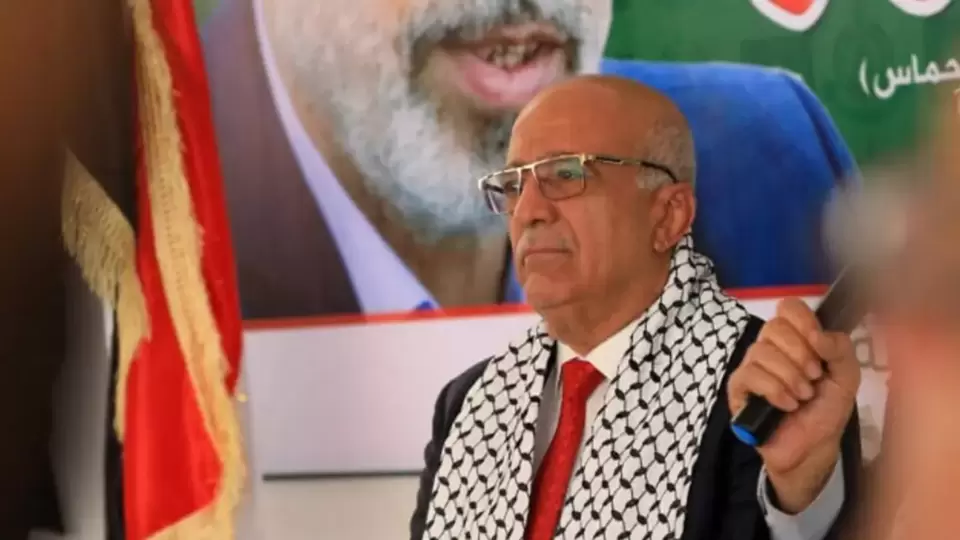
Ahmed al-Rahawi, the prime minister of Yemen’s Houthi-led government in Sanaa, was killed on Thursday (28 August 2025) in an Israeli airstrike that struck an apartment in the capital, AP reported on Saturday. His death marks a significant escalation in the ongoing conflict that has drawn in multiple regional powers, from Iran and Hezbollah to Israel and Saudi Arabia.
Early Life And Background
Ahmed Ghaleb Nasser al-Rahawi was born in Abyan Governorate, southern Yemen, into the influential al-Rahawi tribe. His father, Ghaleb Nasser al-Rahawi, was also a political figure before being assassinated in the 1970s. Coming from a political family gave Ahmed al-Rahawi a path into public service, where he built a reputation as a pragmatic administrator.
Political Career In Yemen
Before rising to national prominence, al-Rahawi served in several local government positions. He was director and chairman of Khanfar District, then deputy governor of Al-Mahwit, and later Governor of Abyan Governorate. These roles gave him experience in managing Yemen’s highly fractured regional politics.
In 2019, al-Rahawi was appointed to the Supreme Political Council, the highest governing body in Houthi-controlled areas of Yemen. His elevation reflected growing trust within the Houthis, which has consolidated power in northern Yemen since taking control of Sanaa in 2014.
Prime Minister Of The Houthi Government
On 10 August 2024, al-Rahawi was named Prime Minister of the Government of Change and Construction, formed under the Supreme Political Council. His government was not internationally recognised, as the official Yemeni government—backed by Saudi Arabia and allied with Western powers—remained based in Aden.
As prime minister, al-Rahawi became a leading face of the Houthi political project, balancing tribal allegiances with the group’s Iran-aligned ideology. He often praised resistance movements across the Middle East, including Hezbollah in Lebanon, portraying them as symbols of defiance against what he called the “Zionist enemy”.
Death In Israeli Airstrike
On 28 August 2025, Israeli fighter jets carried out airstrikes on Sanaa, targeting senior Houthi leaders. According to reports, Ahmed al-Rahawi was killed in one of the strikes along with several of his associates.
Israel described the operation as a necessary response to Houthi attacks on its shipping lanes and drone strikes launched from Yemen. His death is expected to further destabilise the already fragile political balance in Yemen and intensify the regional proxy war involving Israel, Iran, and Saudi Arabia.
Legacy And Impact
Ahmed al-Rahawi’s death removes a key political leader who had attempted to bring some administrative structure to the Houthi government. While his tenure as prime minister lasted just over a year, he represented the Houthis’ effort to present themselves as a legitimate governing authority.
His killing underscores how Yemen’s war has become inseparable from wider Middle East conflicts, linking the fate of Sanaa to Tehran, Riyadh, Tel Aviv, and beyond. The vacuum left by his death could spark internal power struggles within the Houthis, while also hardening their stance against Israel.


