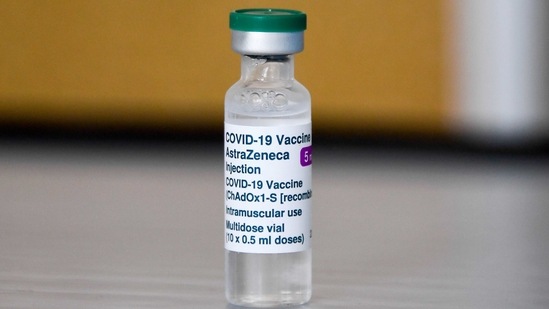
Results from the US trial of the Oxford University-AstraZeneca Covid-19 vaccine confirmed on Monday it is 79 per cent effective against stopping symptomatic infections and 100 per cent effective at preventing people from falling seriously ill. The results of the trial also showed that no safety concerns were found regarding the development of blood clots after receiving the vaccine. The results come amid rising concerns over numerous blood clot events reported in many European Union countries for the past two weeks. AstraZeneca, the British-Swedish pharmaceuticals company, also issued a statement after the reports of blood clots, saying that a review of 17 million people who were administered its Covid-19 vaccine suggested that it was entirely safe for use.
Read more: Explained: Why have some countries suspended use of AstraZeneca vaccine?
Here are the key things we know about the trial:
1. The trial in the United States was run by experts at Columbia University and University of Rochester in collaboration with AstraZeneca in which 32,449 people participated, accruing 141 symptomatic cases of Covid-19. Approximately 60 per cent of the participants had comorbidities that are associated with an increased risk for progression of severe Covid-19 infection.
2. The randomisation ratio of vaccine to placebo in the trial was 2:1 and the vaccine was given to the participants in two doses which were done four weeks apart.
Read more: WHO panel gives nod to AstraZeneca Covid-19 vaccine, has 'tremendous potential'
{{/usCountry}}Read more: WHO panel gives nod to AstraZeneca Covid-19 vaccine, has 'tremendous potential'
{{/usCountry}}3. Around a fifth of the volunteers who participated in the trial were over 65 years and in this group, the vaccine was found to be 80 per cent effective.
4. The trial found that there was 100 per cent efficacy against severe or critical disease and hospitalisation in the participants.
5. The Data Safety Monitoring Board (DSMB) identified no safety concerns with regards to events of blood clotting/ thrombosis in the trial among 21,583 participants who received at least one dose of vaccine.
Read more: Covid-19: Oxford study hint AstraZeneca vaccine effective against Brazil variant
6. The vaccine was found to be as effective in the younger age group as it was in the older which implied that the comparable efficacy result of the vaccine across age was 80 per cent.
7. The comparable efficacy result was also similar across ethnicity.
8. Evidence showed that the administration of the second dose when done with an interval longer than four weeks could increase the efficacy of the vaccine.