
 E-Paper



Biden names William Burns as chief of Central Intelligence Agency
Burns has been a strong supporter of ties with India and played a key role in the signing of the India-US civil nuclear deal, the landmark 2008 agreement that ended India’s nuclear isolation in the world and paved the way for closer India-US relations.


US President-elect Joe Biden has named William Burns, a long-time member of the foreign service and current head of a leading think-tank, to head the Central Intelligence Agency (CIA).
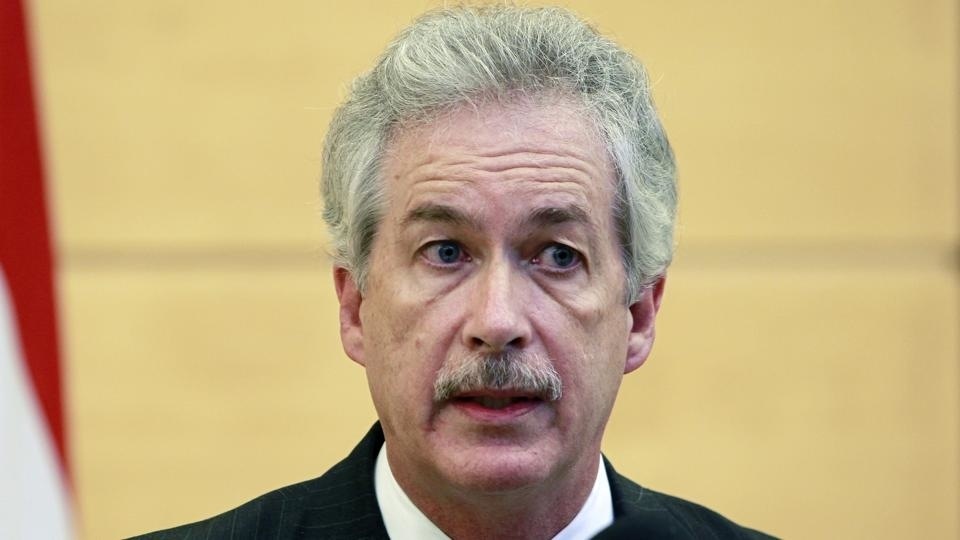
Burns has been a strong supporter of India-US relations and had played a key role in the signing of the bilateral civil nuclear deal. That landmark agreement of 2008 ended India’s nuclear isolation in the world and paved the way for closer ties between India and the US that have continued to flourish with bipartisan support.
As Biden’s top spy and member of the national security team, Burns will play a role in shaping US ties with India in the incoming administration.
In a statement announcing the nomination, Biden pointed to Burns’s long years in diplomacy. “Bill Burns is an exemplary diplomat with decades of experience on the world stage keeping our people and our country safe and secure. He shares my profound belief that intelligence must be apolitical and that the dedicated intelligence professionals serving our nation deserve our gratitude and respect.”
Burns heads the Carnegie International Endowment for Peace, a leading think-tank, which he joined in 2014 after 33 years in US foreign service, which included stints all over the world and one at the White House as a member of the National Security Council. He became only the second serving career diplomat in history to become deputy secretary of state, the No 2 position in the state department, that usually goes to political appointees.
Burns’s biography released by Biden’s transition team did not mention all he did in his 33 years in foreign service. But here is what he wrote about his role in the signing of the nuclear deal, in an article in February, 2020, ahead of President Donald Trump’s India visit: “I was the diplomat charged with completing US-India civil-nuclear deal in the summer and fall of 2008. Selling the agreement in international forums was mostly an exercise in blunt-force diplomacy, with little of the practised finesse that so often consumes the profession.
“I have sheepish memories of waking senior European officials in the middle of the night to obtain an exception for India from the Nuclear Suppliers Group. I didn’t belabour the technical arguments, nor did I really try to do much convincing. This was about power, and we were exercising it—hardly endearing ourselves to groggy partners, but impressing our Indian counterparts with the strength of America’s commitment to get this done.”
Burns also mentioned he was the first senior American official to call on Prime Minister Narendra Modi in New Delhi on his election in 2014. But he wrote disapprovingly of the revocation or Article 370 and the Citizenship Amendment Act, after the prime minister was re-elected.


