
 E-Paper



Canada polls: All parties say Taliban-led Afghan govt won’t be recognised
The caretaker PM pointed out that the Taliban “are a recognised terrorist organisation under Canadian law” and had “taken over and replaced the duly elected, democratic government by force”.

 Prefer HTon Google


Regardless of who forms the next government, there is unanimity among Canada’s major Federal parties that the Taliban regime will not be recognised as the Government of Afghanistan.
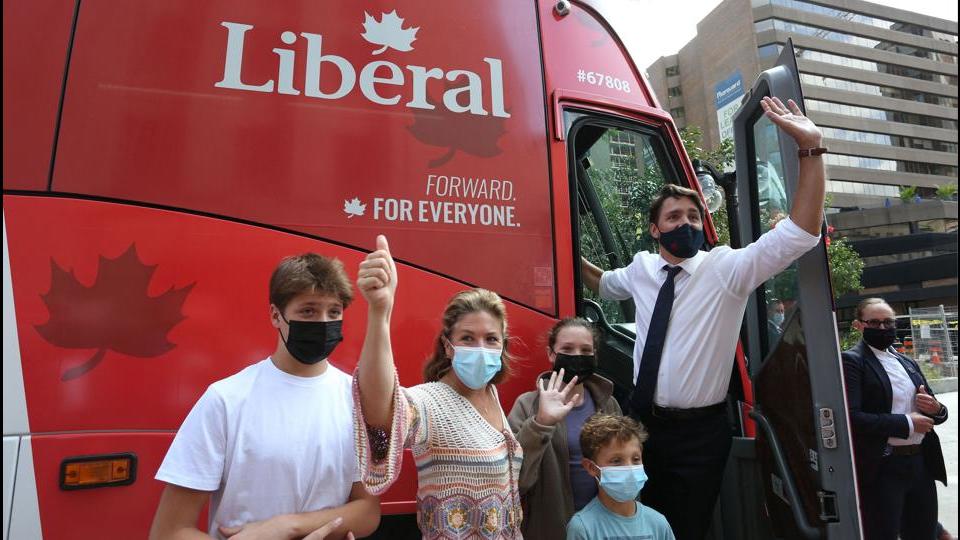
This position was stated by Liberal Party leader Justin Trudeau, also the caretaker Prime Minister, as he told reporters during a campaign event in Markham, Ontario: “Canada has no plans to recognise Taliban as the Government of Afghanistan.”
That position has also been maintained by other leaders. Conservative Party leader Erin O’Toole was also categorical on this point, as he tweeted, “I was asked by a caller if I would recognise the legitimacy of the Taliban in Afghanistan. Let me be clear: never.”
The New Democratic Party has taken the same stand.
Trudeau also pointed out that the Taliban “are a recognised terrorist organisation under Canadian law” and had “taken over and replaced the duly elected, democratic government by force.”
But as campaigning for the Federal elections on September 20 continues, fears have been expressed that it will adversely impact Canada’s response to the unfolding humanitarian crisis in Afghanistan after the Trudeau government’s initial tardy reaction led to a delayed announcement that 20,000 Afghans will be taken in as part of special immigration programme.
Among the critics is Ottawa-based Dr Nipa Banerjee, who headed Canada’s aid programme in Afghanistan between 2003 and 2006. Responsible ministers, she said, will be busy with safeguarding their political futures rather than focusing fully on the matter, though that needs to be addressed urgently.
“The election will have an impact on what we can do in Afghanistan,” Banerjee, who regularly returned to Afghanistan twice a year till recently said Canada’s response has been “chaotic and not organised”. “People who worked on our development programmes, they have not even been considered. I know a lot of people who are there and they are saying they wanted to get out. But the Canadian government has done nothing. They are as much as exposed as military people. It’s obvious to me, these people are not even considered.”
Banerjee, currently a senior fellow at the University of Ottawa’s School of International Development and Global Studies, said she heard regularly from these former associates, who are panic-stricken. She said she heard from them that many filled an online form for the special immigration programme, but have “not received any answer”.”


