
 E-Paper



Canada snubs China Day celebrations, anti-China protests held in main cities
While the Chinese flag was hoisted near City Hall in Toronto, the event was marked by the city’s Mayor John Tory absence.


From the Mayor of Canada’s largest city boycotting a flag-raising event and a provincial legislature cancelling a scheduled ceremony to multiple protests, there was much to mar China’s National Day celebrations in the country.
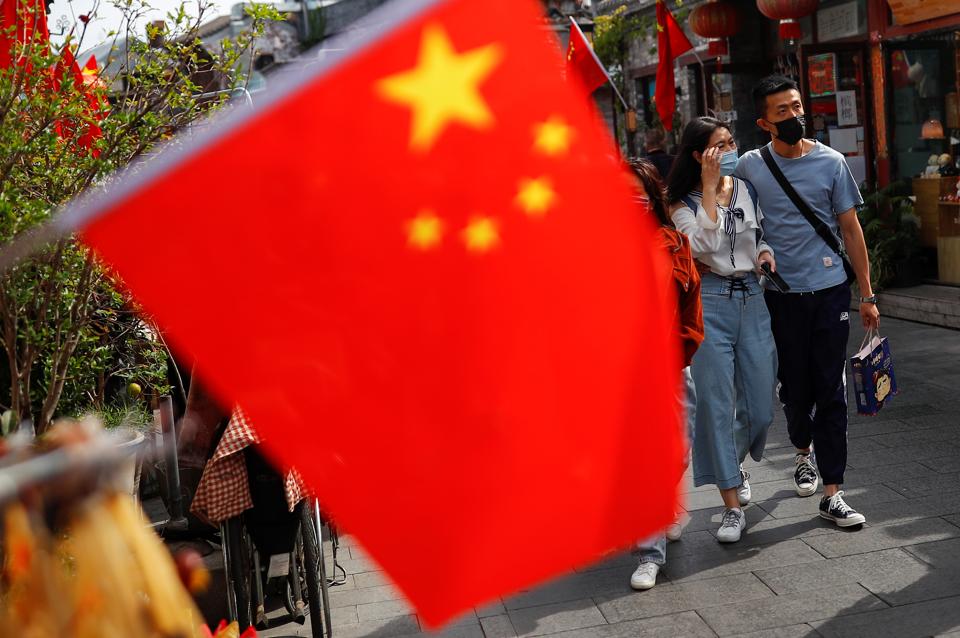
While the Chinese flag was hoisted near City Hall in Toronto, the event was marked by the city’s Mayor John Tory absence. The outlet Toronto Sun quoted his spokesperson as saying that this was due “to a number of issues between Canada and China which are of great concern to him.”
Meanwhile, the Ontario Legislative Assembly was to host a ceremony with China’s Consul General in Toronto but cancelled the event after an outcry.
The province’s Premiere Doug Ford said this was “not the appropriate time to be raising this flag” while its education minister Stephen Lecce elaborated in a tweet, “Our legislature is a symbol of our cherished freedoms and our enduring democracy. It is for that reason that we must consistently, principally, and unapologetically stand up for those fundamental Canadian values.”
Several groups protesting recent actions by Beijing against Uighurs, Tibetans, Hong Kongers and Mongolians, also gathered in Toronto and Vancouver outside the Chinese consulates in these cities.
They were part of a Global Day of Action against the “Chinese Communist Party (CCP)’s crackdowns against freedom, democracy, and human rights” that intensified across China. “We have witnessed a gross increase on the assault on communities living under its rule,” the organisers said.
In Toronto, nearly 300 protestors collected outside the Chinese consulate. Among them was Youdon Tsamotshang, board chair of Students for a Free Tibet Canada. She said this year was “specifically different” from protests held earlier, because “a lot of eyes are on the Chinese government.”
“Covid-19 is a big reason why, human rights atrocities are another. There is even more interest because of that.”
The coalition that collected included Uighurs, Tibetans, Hong Kongers, Taiwanese and natives of southern Mongolia. An Indian flag was also waved during the protest as a sign of solidarity, as India confronts China over Ladakh.
Six main issues were raised at the protest: That Occupied Tibet is one of the least free places in the world, millions of Uighurs are detained in mass internment camps in occupied East Turkestan, loss of fundamental freedoms in Hong Kong, erasure of Southern Mongolian culture and language, intimidation and geopolitical bullying of Taiwan and detention and disappearance of countless Chinese lawyers, feminists and activists.
These events also marked how relations between Canada and China have plummeted since the detention of a senior executive of the Chinese telecommunications giant Huawei in Vancouver in 2018.
Since then the Canadian government has accused China of indulging in “hostage diplomacy”. China has arrested two Canadians, including a former diplomat, who remain in Chinese jails for over 660 days. Placards featuring the two detainees were also in display at the protests.


