
 E-Paper



Trump's trade war effect: EU proposes 25% counter-tariff on US goods
In addition to these counter-tariffs, the EU already tightened existing safeguards on steel on April 1 to reduce imports by 15%.

 Prefer HTon Google


In response to Donald Trump's recent 'reciprocal tariffs', the European Commission proposed counter-tariffs of 25% on a range of US goods on Monday.
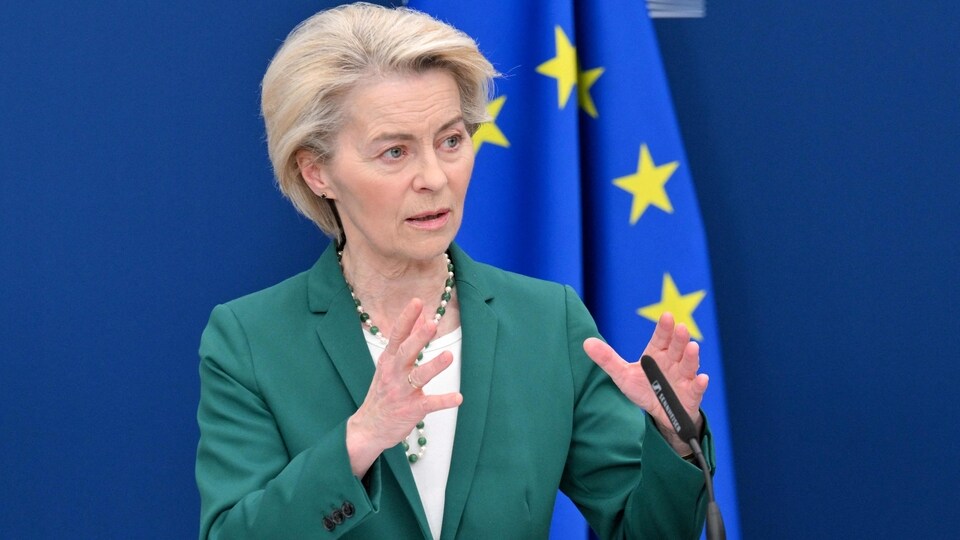
According to a document seen by Reuters, EU member states aim to approve the plan later this week and it would enter into force on April 15, although most of the duties wouldn’t be collected until mid-May.
The tariffs on some goods will take effect on May 16 and others later in the year, on December 1.
Notably, the EU member states are reportedly due to vote on the commission's proposal on April 9. The European Commission, however, declined to comment.
On Monday, European Union trade chief Maros Sefcovic said the counter-tariffs would have less impact than the previously announced 26 billion euros ($28.45 billion).
Also Read | ‘Gaza peace not too distant,’ says Donald Trump, Netanyahu eyes ‘new deal’ for hostages
In addition to these counter-tariffs, the EU already tightened existing safeguards on steel on April 1 to reduce imports by 15%. The Commission is also looking at import quotas for aluminium, Reuters reported.
EU mulling retaliatory tariff: What US products may attract duties?
The commission listed dozens of product categories it plans to target. This includes diamonds, eggs, dental floss, sausages and poultry. The counter-tariffs on almonds and soybeans will take effect on December 1.
Bourbon, wine and dairy have been removed from the original list the Commission was weighing in March.
The Commission had earmarked a 50% tariff on bourbon, which had prompted Trump to threaten a 200% counter-tariff on EU alcoholic drinks if the bloc went ahead.
Also Read | Apple planning to source more iPhones from India after Trump's China tariffs: Report
Trump's threat worried France and Italy in particular, owing to their significant wine industries.
Earlier, it was reported that the EU trade ministers met in Luxembourg to mull over negotiation strategies and prepare potential countermeasures.
The US- EU trade fight dates back to 2018 when Trump imposed hefty tariffs on steel and aluminum imports. In response, the EU slapped a 25% tariff on several products, including American whiskey.
That tariff was suspended in late 2021 as part of negotiations by former President Joe Biden, and since then, American whiskey has entered the EU tariff-free.


