E-Paper



Every Wednesday a public holiday: Sri Lanka announces measure to conserve fuel
Commissioner-General of Essential Services Prabath Chandrakeerthi has said that Sri Lankan institutions will operate only four days a week starting Wednesday.

 Prefer HTon Google


As several countries grapple with the possibility of an oil crisis due to the ongoing war between Iran and the US, Sir Lanka has come up with a unique solution - every Wednesday a public holiday. The Sri Lankan government has made the decision in an effort to conserve fuel amid the ongoing West Asia crisis.
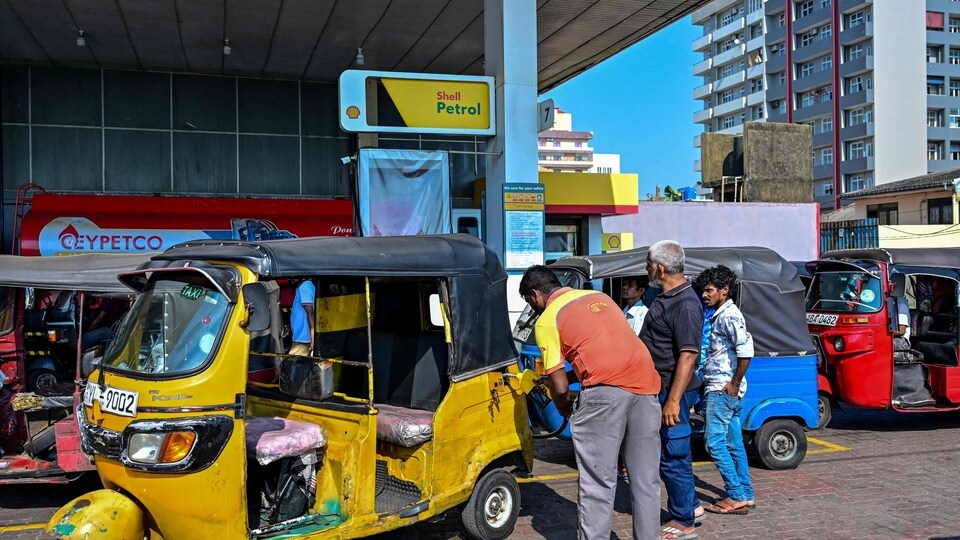
According to an AFP report, Commissioner-General of Essential Services Prabath Chandrakeerthi has said that state institutions will operate only four days a week starting Wednesday, March 18.
The public holiday will also apply to schools, colleges and universities but won't be applicable on essential services like healthcare, ports, water supplies and customs, a BBC report said. The day for the extra off was chosen specifically so that the offices aren't shut for three days in a row.
"We must prepare for the worst, but hope for the best," President Anura Kumara Dissanayake reportedly told officials at an emergency meeting.
This is not the first measure introduced in Sri Lanka to conserve energy amid the ongoing crisis in the Gulf. Earlier, Sri Lanka raised fuel retail prices and launched a fuel rationing system to minimise hoarding.
A PTI report earlier said that Sri Lanka was in touch with India and Russia to ensure a continuous supply of fuel. Notably, India was recently granted a 30-day waiver by the US to continue buying Russian oil.
The Iran-US war, that began on February 28, is over two weeks old now and has sparked an energy crisis across countries, especially raising concerns in Asia which heavily relies on the Strait of Hormuz for its oil imports. Operations at the key strait have been amid Iranian attacks and targeting of US vessels.
While Iran claims that the strait is only blocked to its enemies - US and Israel, ships from many other countries remains stranded there. The crisis has sent crude prices skyrocketing, further triggering concerns.